After dental implant surgery, even a simple meal can raise questions: Is this too hot, too firm, or likely to disturb the surgical site? Thoughtful nutrition makes recovery more comfortable while giving your body the building blocks it needs to repair tissue and support the implant.
Ready to start your implant journey? Schedule a consultation with Advanced Cosmetic and Implant Dentistry in Glastonbury, CT.
A dental implant healing diet usually progresses from cool, smooth liquids during the first 24 to 48 hours to nourishing soft foods for at least two weeks, followed by a gradual return to firmer textures as your prosthodontist confirms healing. Because bone must heal tightly around the implant during osseointegration, this process can take many months, so follow your personalized instructions rather than relying on a calendar alone. Mayo Clinic guidance also notes that soft foods may be needed while the surgical site heals.
Your diet is not simply a list of foods to avoid. It is part of the biological support system for recovery. The right choices can help you maintain adequate calories, protein, and hydration without placing pressure on healing tissues. Understanding that connection makes each phase of eating easier to navigate.
Summary: Your food choices during recovery directly affect how well the surgical site heals and how comfortably you move through each phase. A structured diet supports osseointegration while preventing complications.
Dental implant surgery does not end when the implant is placed. The next phase is osseointegration, the biological process in which bone heals tightly around the implant to create a stable foundation for your replacement tooth. Because this healing takes time, the process can continue for many months. Your food choices during recovery should protect the surgical site while giving your body the materials it needs to repair tissue and support bone healing.
The Mayo Clinic explains that patients may need soft foods after each stage of implant surgery while the surgical site heals. This is not simply a comfort recommendation. Softer textures reduce the mechanical demands placed on healing tissues and make it easier to maintain adequate nutrition when chewing is temporarily limited. For a broader overview of what to expect during each recovery stage, read our guide on dental implant healing stages.
Following oral surgery, nutrition may be delivered through a fully liquid diet, mechanically blended foods, or standard solid foods, depending on the procedure and your recovery. Research on postoperative oral-surgery nutrition describes these options as part of a structured approach to maintaining nourishment while the mouth heals. Your surgeon's instructions should determine when and how you progress between them.
A soft or blended diet can also be more nutritionally useful than relying on liquids alone. It allows room for appropriate sources of protein, calories, vitamins, and minerals without requiring forceful chewing. The goal is not to follow a rigid menu but to choose textures and portions that protect the site while supporting steady recovery.
At Advanced Cosmetic and Implant Dentistry, board-certified prosthodontists evaluate healing as part of the complete treatment plan, from surgery through restoration. That specialist perspective matters when a patient has complex oral-surgery needs, a history of failed dental work, or anxiety about eating after treatment. Review our dental implant procedures and learn how dietary guidance fits into the broader healing timeline. If pain, swelling, or difficulty maintaining nutrition concerns you, contact your care team rather than adjusting the plan on your own.
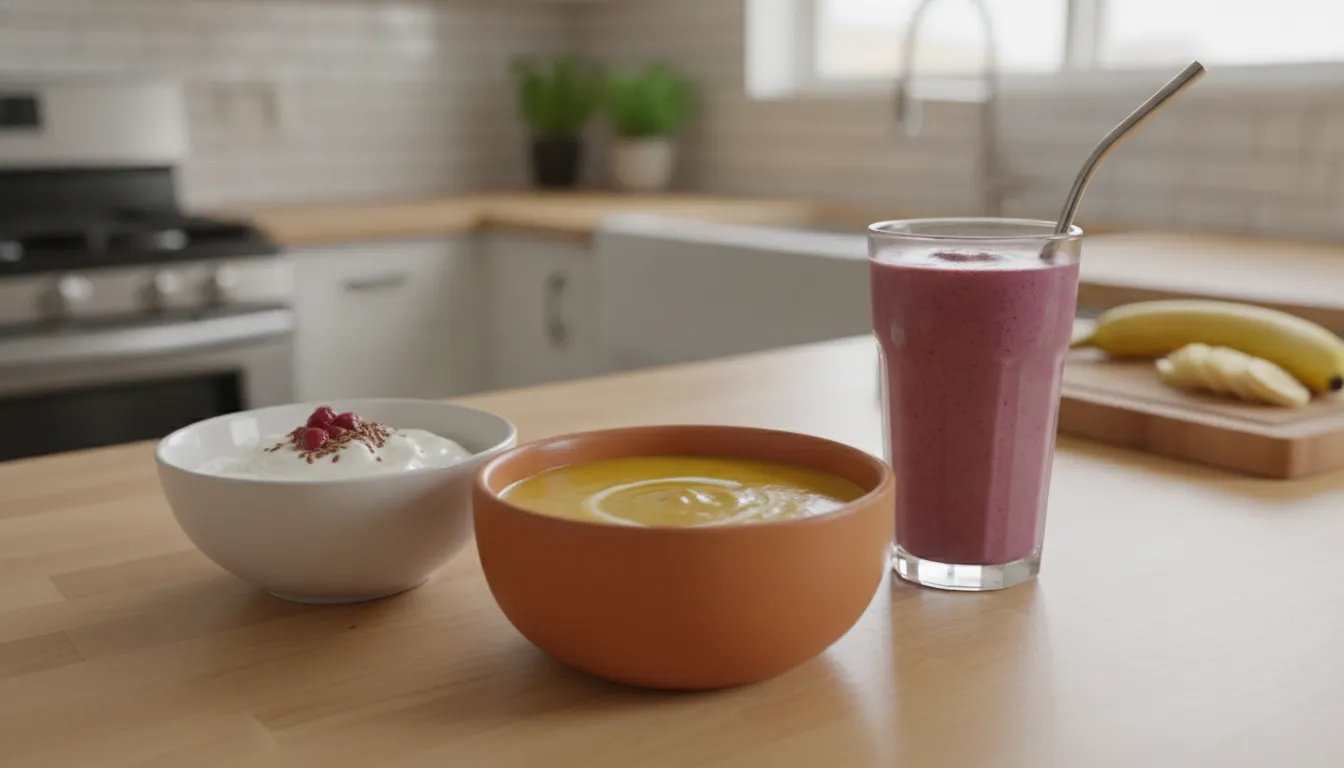
Summary: In the first two days after surgery, choose cool liquids that require no chewing. Avoid heat, straws, carbonation, and alcohol to protect the surgical site while healing begins.
Eating can feel intimidating immediately after dental implant surgery, especially when your mouth is tender or numb. For the first day or two, keep the goal simple: choose cool, smooth liquids that require little or no chewing, and follow the specific instructions from your surgical team. This early phase protects the surgical site while your body begins the healing process.
Keep these options available before your appointment:
Temperature and suction matter during the first 24 to 48 hours. Avoid hot coffee, tea, soup, and other hot foods or beverages because heat may increase bleeding while the site is stabilizing. Do not use a straw. The suction can disturb the blood clot that supports healing and may contribute to a painful dry socket.
Skip carbonated drinks, including sparkling water and soda, because bubbles can irritate the area. Alcohol should also be avoided during this early period, particularly while you are taking prescribed medication or recovering from sedation. Do not smoke or vape, and contact your care team if bleeding remains heavy, pain worsens, or you cannot keep fluids down.
A simple dental implant healing diet does not need to be complicated. Prepare cool liquids in advance, take small sips, and progress only when your prosthodontist says it is appropriate. Your own surgical instructions take priority because the ideal pace depends on the procedure performed and your healing response. For patients who feel anxious about surgery, IV sedation options can help make the procedure itself more comfortable.
Summary: After the liquid phase, a transitional soft-food diet provides better nutrition while protecting the healing site. Focus on protein-rich foods, soft fruits, creamy soups, and tender grains.
Once the initial liquid phase has passed, a carefully planned soft-food menu can make recovery more comfortable without leaving you undernourished. Research on postoperative oral-surgery nutrition notes that a transitional soft diet can provide better texture and nutritional composition than a strictly liquid diet. This approach is especially useful when your implant site needs protection but your body still needs consistent nourishment.
Start the day with foods that are smooth, easy to portion, and substantial enough to support recovery. Plain or lightly sweetened Greek yogurt can provide approximately 15 to 20 grams of protein per serving, depending on the product. Scrambled eggs are another gentle, protein-rich option when cooked until soft rather than browned or firm. Oatmeal should be well-cooked and cooled to a comfortable temperature. Thin it with milk or a dairy alternative if needed, and avoid nuts, seeds, or crunchy toppings that can lodge near the surgical area.
Choose fruits that require little chewing. Mashed banana and unsweetened applesauce are simple options for breakfast or a snack. Ripe avocado is smooth enough to eat with a spoon and can add calories and satisfying texture to a soft meal. Hold off on whole apples, firm pears, berries with seeds, and other fibrous fruits until your prosthodontist confirms that your healing supports more texture.
Creamy soups can provide hydration and nourishment when they are blended or strained as needed. Let them cool before eating, particularly during the early healing period. Bone broth may be useful as a warm, savory base, but it should complement rather than replace more complete meals. Smoothies can combine yogurt, banana, avocado, or a protein supplement. Drink them from a cup rather than through a straw, and check every ingredient for seeds, skins, or ice that could irritate the site.
Soft fish that flakes easily, hummus, refried beans, and cottage cheese offer varied ways to maintain protein intake without aggressive chewing. Serve fish moist and in small pieces. Choose smooth hummus, and make sure beans are fully mashed. Cottage cheese can be blended if its texture feels uncomfortable. Your surgical instructions take priority over any general food list, especially after extensive implant or full-arch treatment. If you are replacing an entire arch of teeth, explore our full-mouth reconstruction services to understand the complete treatment timeline.
Well-cooked pasta with a smooth sauce can be filling while remaining easy to manage. Soft bread may be acceptable when soaked in soup or another moist dish, but avoid toasted crusts and dense, chewy pieces. Eat slowly, keep food away from the surgical site when possible, and follow the individualized progression provided by your specialist.
Summary: Move from soft to semi-soft textures around weeks 3 to 4, then gradually reintroduce normal foods by week 5. Let comfort guide the pace, not a calendar date.
Moving beyond soft foods should be gradual, even when your mouth feels comfortable. The implant may look healed from the outside while osseointegration continues beneath the gums. Use this step-by-step approach as a general guide, and follow any personalized instructions from your prosthodontist.
Eating normally does not necessarily mean the implant is fully integrated. The final restoration typically takes place after approximately three to six months, depending on your bone healing, implant location, and treatment plan. As a Nobel Biocare Center of Excellence, Advanced Cosmetic and Implant Dentistry guides patients through each phase, from surgical recovery to the completed restoration. Learn more about All-on-4 dental implants and the specialist care behind your healing timeline.
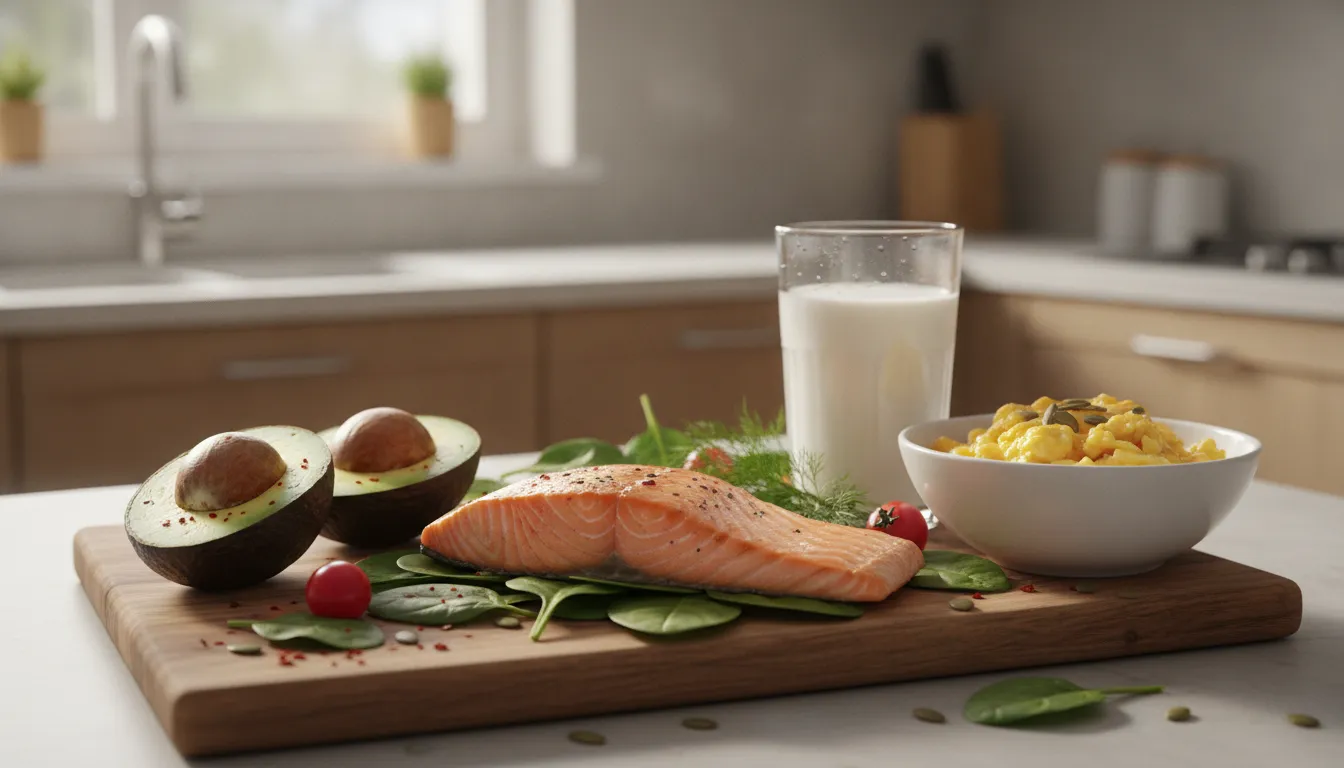
Summary: Protein, vitamin C, vitamin D, zinc, and calcium each play a specific role in tissue repair and bone healing. A varied, nutrient-dense diet supports the biological work that happens beneath the gums.
Food choices during recovery do more than make a soft-food plan easier to follow. Your body is repairing the surgical site while bone gradually heals around the implant, a process that can take many months. A nutrient-dense diet supports that work, but supplements should be discussed with your surgeon, especially if you take medication or have a medical condition. At Advanced Cosmetic and Implant Dentistry, board-certified prosthodontists consider this full biological picture alongside surgical placement and restoration.
Protein supplies amino acids needed for wound healing and the formation of the bone matrix that provides structure around a healing implant. During the early soft-food phase, eggs, Greek yogurt, cottage cheese if tolerated, and soft fish can make it easier to maintain adequate intake. Blend or finely flake foods only as needed, and choose preparations that do not require chewing near the surgical site.
Vitamin C supports collagen production, an important part of connective tissue repair. Soft sources can include mashed berries, smooth fruit purees, and citrus blended into a smoothie. Avoid using a straw unless your surgical instructions specifically permit it. If acidic foods sting the area, pause them and choose a gentler option while the tissues are sensitive.
Vitamin D helps the body absorb and use calcium, making it relevant to bone health during osseointegration. Fortified foods may provide vitamin D, and a supplement may be appropriate for some patients after their clinician reviews their overall health and current levels. Do not assume a higher dose will improve healing; more is not always better.
Zinc contributes to cell proliferation and immune function, both of which matter as the body repairs tissue. Pumpkin seed butter, finely ground seeds incorporated into a soft meal, and tender soft meats can provide zinc without requiring hard or crunchy textures. Follow your prosthodontist's instructions if chewing remains uncomfortable.
Calcium supports bone mineralization. If you avoid milk, consider fortified plant milks, calcium-fortified soft foods, or well-cooked greens that can be blended or served tender. Dietary needs vary, so your ACAID care team can help coordinate nutrition guidance with your physician when healing, medications, or medical conditions require special consideration.
Summary: During early healing, avoid hard, crunchy, sticky, chewy, and spicy foods that can disrupt the surgical site. Smoking and alcohol should also be eliminated.
Protecting the surgical site is as important as choosing nourishing foods. During early healing, avoid anything that can strike the area, tug on sutures, create excessive chewing pressure, or irritate tender tissue. Your own postoperative instructions take priority, especially if you had bone grafting or multiple implants.
| Foods to Avoid | Why They Can Be Problematic |
|---|---|
| Hard or crunchy foods, including nuts, chips, and raw vegetables | They can strike the surgical site, disrupt healing tissue, or lodge near the implant. |
| Sticky foods, such as caramel, gum, and taffy | They may pull at sutures and are difficult to remove safely around a healing site. |
| Chewy foods, including steak and bagels | They require forceful, repetitive chewing that can place unnecessary pressure on the area. |
| Spicy foods | They may irritate tender gums and make discomfort more noticeable. |
| Alcohol | It can interfere with healing and may interact dangerously with prescribed medications. |
| Smoking | Smoking severely impairs osseointegration and is a major risk factor for implant failure. |
No. For most patients, dairy is not harmful to the implant and can be a convenient source of protein. Yogurt, cottage cheese, and other soft dairy foods are generally reasonable choices unless they worsen postoperative nausea or your clinician gives different instructions. The common concern is increased mucus production, not damage to the implant. If dairy makes you feel sick, choose another soft protein while your stomach settles.
Small, soft grains are usually easier to manage after the first week when rice is thoroughly cooked and comfortable to chew. Avoid sticky rice during the earliest phase because grains can cling to the surgical area. Rinse gently as directed rather than probing the site with a toothpick. As you consider longer-term tooth replacement and recovery needs, learn more about choosing between bridges and implants and how your diet fits into a comprehensive treatment plan.
Most patients move from cool liquids to soft foods, then gradually reintroduce firmer textures as comfort and healing allow. The timeline depends on the number and location of implants, bone grafting, and your surgeon's findings. Do not test a hard or chewy food simply because a calendar date has passed. Follow your prosthodontist's instructions, and stop if chewing causes pain, pressure, or bleeding.
A no-chew plan emphasizes foods that require little or no biting, such as blended soups served lukewarm, yogurt, smoothies eaten without a straw, protein shakes, applesauce, and mashed vegetables. As swelling settles, a transitional soft-food diet can provide more texture and nutritional variety than liquids alone. Keep food away from the surgical site when possible.
Dairy is not automatically prohibited after implant surgery. Yogurt and other soft dairy foods can provide protein, but they may worsen nausea for some patients, particularly soon after sedation or anesthesia. Unless your clinician gives different instructions, choose dairy based on your tolerance and avoid anything that causes vomiting or discomfort.
Rice may be appropriate once your care team allows soft foods, provided it is cooked until tender and eaten carefully. Small grains can collect around a healing area, so do not forcefully rinse or probe the site afterward. If rice causes discomfort, choose smoother options such as mashed potatoes, oatmeal, or blended foods and ask your surgeon when to retry it.
No single food can speed osseointegration, the process in which bone heals tightly around the implant. Eat enough protein and a varied diet containing nutrients involved in tissue repair, including vitamin C, vitamin D, zinc, and calcium. Avoid smoking and follow every medication, oral-hygiene, and activity instruction from your implant team, because healing occurs over months, not just during the first few days.
Nutrition is one part of a successful recovery, and personalized guidance can help you move through each healing phase with greater confidence. At Advanced Cosmetic and Implant Dentistry, a consultation gives you the opportunity to discuss your implant treatment, recovery expectations, and questions with an experienced prosthodontic team. Call (860) 967-7975 to schedule a consultation in Glastonbury, CT.
Patients in Hartford, CT, can experience unmatched quality and value by choosing board-certified doctors Avinash Bidra and Xiao Chun Li.
We are affiliated with the following prestigious organizations: