In office teeth whitening is a single visit at the dental chair, not a box of strips you work through at home. At Advanced Cosmetic and Implant Dentistry in Glastonbury, that visit uses proven systems: Philips Zoom, GLO, and KoR. The appointment usually runs about an hour and a half. Many patients leave about six to eight shades lighter after one application. This guide covers how to prepare, what happens in the chair, and which result questions are worth asking before you book.
Call (860) 659-8660 to plan your whitening visit
In-office whitening, also called chairside bleaching, is a dentist-supervised treatment on natural teeth. The American Dental Association describes it as a peroxide gel placed on the teeth, sometimes with a light meant to speed the process. Only natural enamel changes color. Crowns, veneers, bonding, and implant teeth stay the shade they were made.
That limit is useful to know before the visit. If a front tooth is a crown and the neighbors are natural, whitening the natural teeth can make the crown look darker by comparison. A prosthodontist can tell you whether whitening alone will look even, or whether a crown or veneer should be planned after the shade settles.
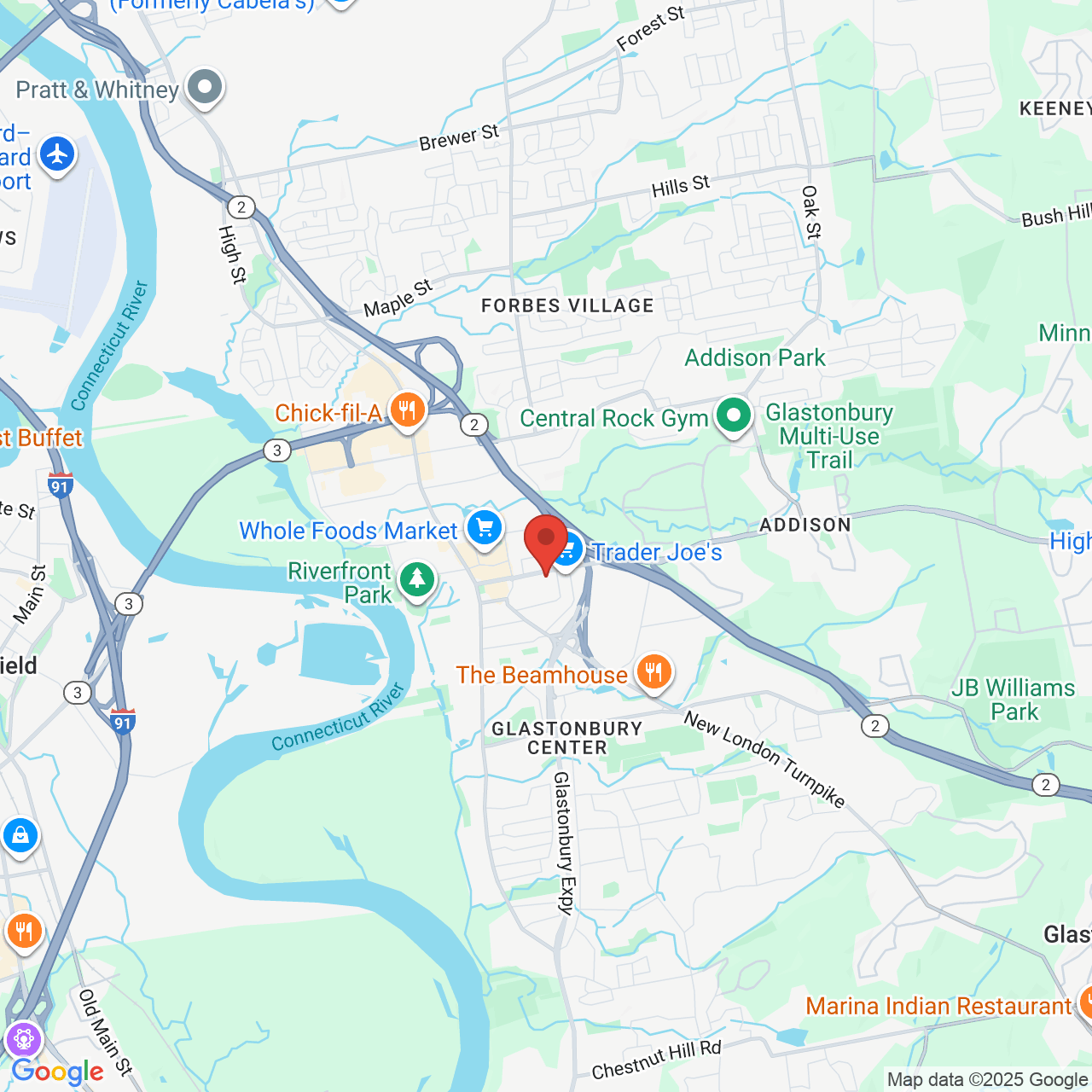
Our Glastonbury office, at 300 Hebron Avenue, offers three in-office systems rather than one generic gel:
The practice page for teeth whitening lists these systems and the typical visit length. This article stays on the visit itself: preparation, the chair sequence, and how to read the result.
A good result starts before the gel goes on. Whitening works on clean enamel, and it is safer when the dentist has already checked the teeth and gums.
We look at the teeth and gums before bleaching. Cavities, leaky fillings, and irritated gums should be treated first. Peroxide can reach the pulp of a tooth within minutes, so an untreated cavity can turn a routine visit into a painful one. Tell us about past sensitivity, allergies, and any whitening you have already tried.
If it has been a while since a cleaning, schedule one first. Surface stain from coffee, tea, or tobacco lifts more evenly from polished enamel. Our teeth cleaning visits are the right first step when buildup is still on the teeth.
Bring a list of crowns, veneers, fillings, and implant teeth, especially in the smile. The ADA notes that bleaching does not change tooth-colored restorations. We would rather map that before the visit than surprise you in the mirror afterward.
Eat a normal meal beforehand so you are comfortable sitting for about 90 minutes. Skip a fresh coat of dark lipstick if you can, and come with clean teeth. If you use a sensitivity toothpaste, start it a few days ahead. You do not need to fast, and you can drive yourself home. Whitening is not a surgical visit.
If dental visits make you anxious, say so when you book. The office is set up as a calm, spa-like practice, with blankets and a hot washcloth at the end of the visit. IV sedation is available for patients who need it, though most whitening visits do not require it. You can read more on our IV sedation page and decide with us whether it fits a whitening appointment.
The flow is simple. We isolate the teeth, protect the gums, apply gel in timed passes, then check the shade before you leave.
The ADA explains the chemistry in plain terms. Hydrogen peroxide and carbamide peroxide release oxygen that oxidizes the colored compounds inside enamel and dentin. The gel is not scraping the tooth. It is changing stain molecules. Because professional gels are strong, the gum barrier and the timed passes matter more than they do with a store strip.
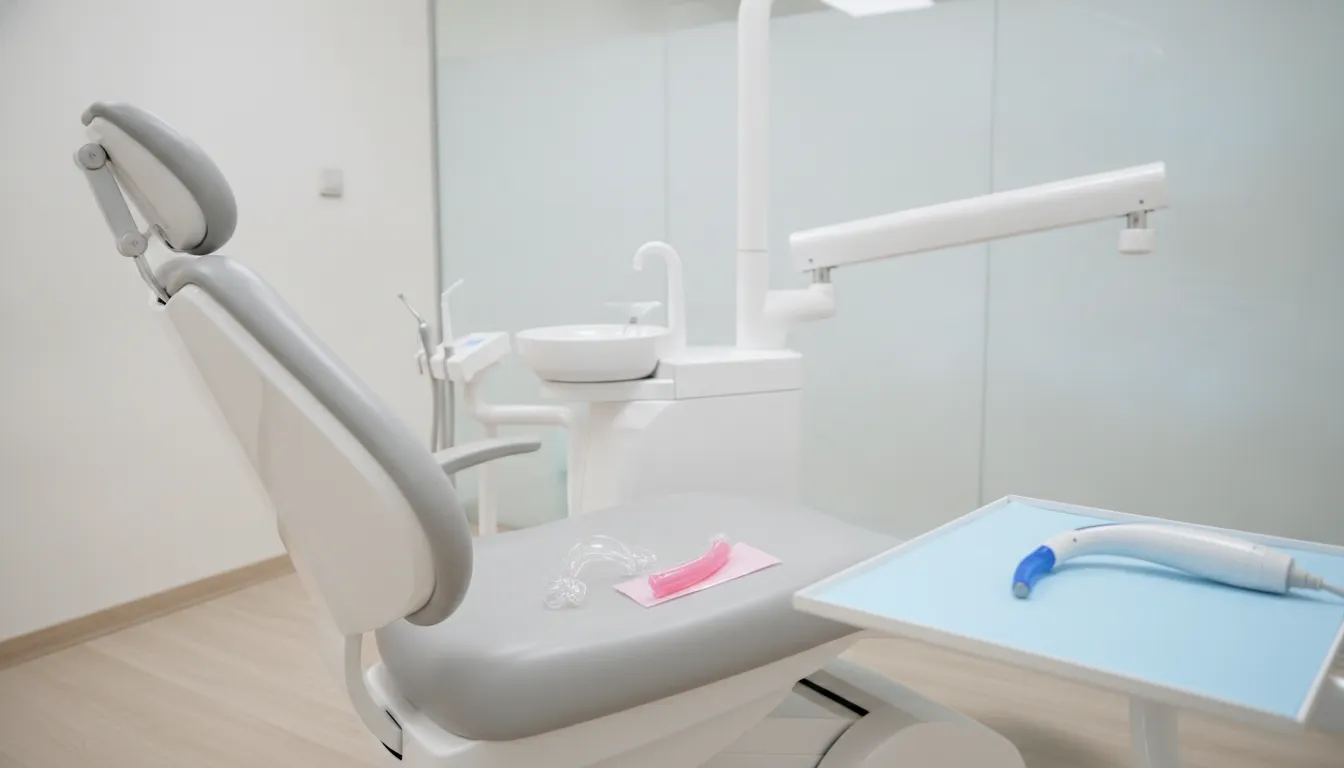
You can talk between passes, though the retractor makes long conversation awkward. Most people rest, listen to music, or simply wait. The office is built for that kind of quiet visit: private treatment rooms, comfortable chairs, and a staff used to longer cosmetic appointments.
These three systems share a chair visit. They are not interchangeable. Zoom is our light-activated, single-visit brightening. GLO is the other light-assisted system we keep for patients who want that same one-appointment pace. KoR is aimed at deeper discoloration and is often part of a longer plan, not a single light cycle.
Zoom, GLO, and KoR at a glance. The first table compares Zoom and GLO. The second repeats Zoom next to KoR so each column stays readable on a phone.
| Question | Zoom | GLO |
|---|---|---|
| Where it happens | In the chair. | In the chair. |
| How the gel is activated | Gentle blue light, about 20 minutes per pass. | Light-assisted in-office system. |
| Typical visit length | About 90 minutes from start to finish. | About 90 minutes. |
| Best fit | Food, drink, and age stain when you want a same-day change. | Patients who want a single light-assisted visit. |
| After the visit | Touch-up products are available for home use. | Same maintenance habits as any in-office result. |
Zoom compared with KoR.
| Question | Zoom | KoR |
|---|---|---|
| Where it happens | In the chair. | In the chair, often with custom trays afterward. |
| How the gel is activated | Gentle blue light, about 20 minutes per pass. | Deep-bleaching protocol, not one short light cycle. |
| Typical visit length | About 90 minutes from start to finish. | In-office time plus a home phase when stains are deep. |
| Best fit | Food, drink, and age stain when you want a same-day change. | Deeper or long-standing discoloration. |
| After the visit | Touch-up products are available for home use. | Tray wear is often part of keeping a deep result. |
We choose the system after the exam, not from a menu on the phone. A wedding next month and a tetracycline-type stain from childhood are different problems. The ADA notes that brown fluorosis or tetracycline stain can need months of nightly treatment, while ordinary food stain often responds in one visit. If you want the wider comparison of office care and home kits, read in-office versus at-home whitening. For how we weigh professional options, see our professional whitening treatment guide.
On average, teeth become six to eight shades whiter after a single application. That is the figure we publish for these systems, and it is an average, not a promise. The site disclaimer applies here: results are not guaranteed, may not be permanent, and vary by person.
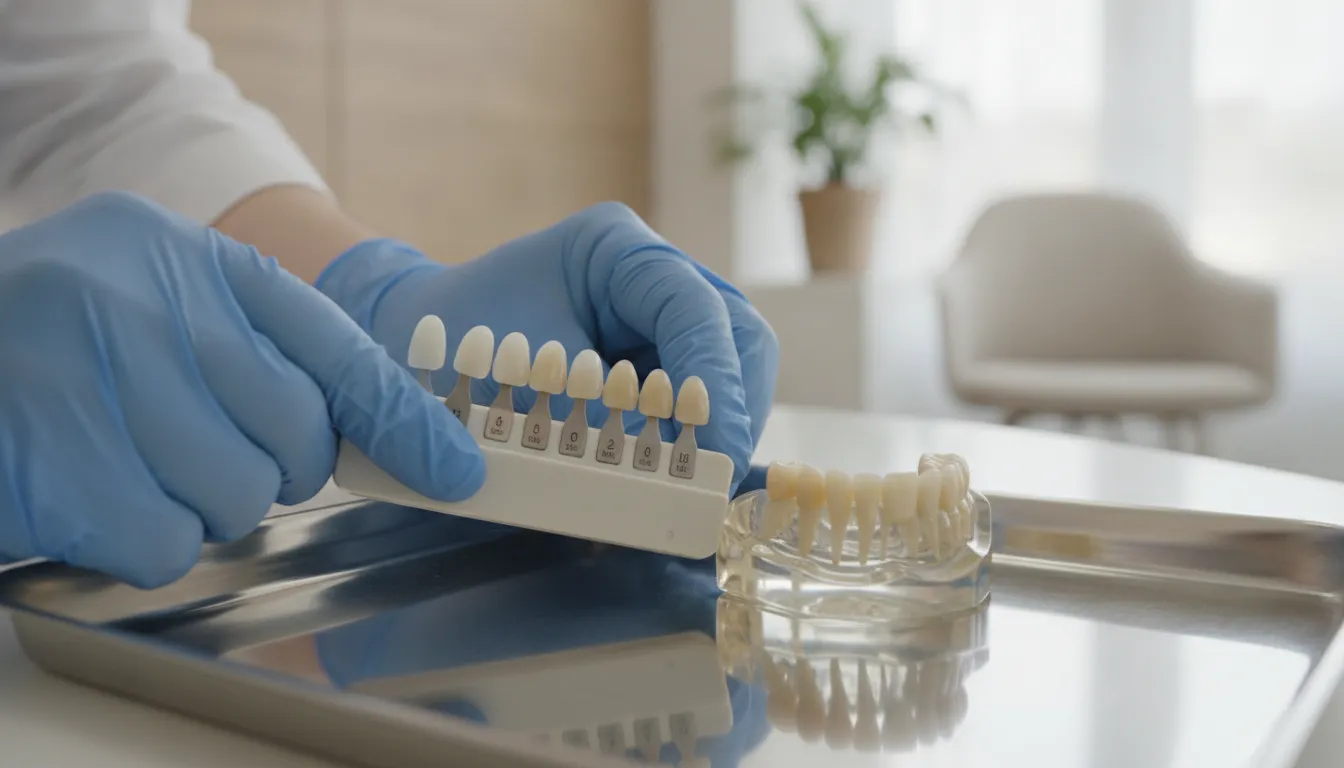
Shade guides measure that change in steps, not in marketing words. A tooth that starts quite yellow can move several steps and still not match a bleaching-ad white. A tooth that is already light may move less because there is less stain to oxidize. Internal stains from medication or injury respond less predictably than coffee or wine stain. The ADA's MouthHealthy whitening guide says the same thing: results depend on the starting color, and whitening will not change caps, veneers, crowns, or fillings.
Right after the visit, teeth can look a bit chalky until they rehydrate. Judge the color in daylight the next morning, not under the operatory light. If a front crown now looks dark next to the whitened teeth, that is the restoration showing its original shade. We can talk through whether bonding, a veneer, or a crown should follow. Those options live on our smile makeover and veneers pages, and they are separate decisions from the whitening visit.
Do not expect whitening to fix shape, chips, or uneven edges. It changes color. If the goal is a designed smile rather than a lighter one, whitening is often the first step so later restorations can be matched to the new shade.
Temporary tooth sensitivity and mild gum irritation are the most common side effects the ADA lists for vital bleaching. They are usually short-lived. We can lower the peroxide concentration, especially with Zoom, when you have a history of sensitive teeth.
For the first day or two:
With care and routine cleanings, an in-office result can last for years. It does not stay frozen. Coffee, tea, and tobacco keep staining, which is why Zoom touch-up products and, for deeper cases, KoR trays exist. Maintenance is a habit, not a second full visit every month.
People comparing fast whitening options usually need a few direct answers, not a product list. These are the ones we walk through at a consultation.
No. Only natural teeth change. If the smile mixes natural teeth and restorations, we plan the order: whiten first, then remake anything that no longer matches, if you want that match.
We record a starting shade and talk about a realistic stop point. Six to eight shades is the average after one application of the systems we use. Your stain type, your enamel, and any restorations all move that number.
Plan on about an hour and a half for Zoom or GLO, from isolation through the shade check. KoR can add a home phase. You leave the same day. There is no recovery day.
Tell us before the gel goes on. Concentration can be adjusted, and we would rather shorten a pass than push through pain. Sensitivity toothpaste for a few days afterward is usually enough.
No. Store strips use a lower strength and a one-shape fit. In-office care uses a gum barrier, a recorded shade, and a gel strength chosen for your teeth. Our guide to professional teeth whitening covers that difference in more detail. Cost questions belong on a different page: what affects whitening cost in Connecticut.
Dr. Avinash S. Bidra and Dr. Xiao Chun Li are board-certified prosthodontists. Whitening is a cosmetic visit, and it still gets the same exam-first approach we use for larger smile treatment. If whitening is the wrong tool, we will say so.
See how we plan longer cosmetic and implant care
The dentist isolates the lips and cheeks, covers the gums, and applies a peroxide gel to the natural teeth for timed passes. At our office, Zoom uses a gentle blue light for about 20 minutes per pass across a visit of about 90 minutes. The gel oxidizes stain inside the enamel. It does not sand the tooth.
Yes, when the yellow comes from food, drink, tobacco, or aging in natural enamel. One visit often moves those teeth several shades. Yellow from old crowns, bonding, or veneers will not change, because restorations do not bleach.
Age by itself is not a reason to skip whitening. Enamel thins and dentin shows more with time, so the shade change can be smaller than it is for a younger tooth with surface stain. The exam decides. We look at gums, existing dental work, and sensitivity before we recommend a system.
Most people feel pressure from the retractor and, sometimes, a temporary tingle. Sharp pain is not the goal, and it is a reason to pause. The ADA lists temporary sensitivity and gum irritation as the common effects. Both usually fade within a couple of days.
Wait through the first day if you can, then rinse with water when you do have coffee or tea. The color is more stable after the teeth rehydrate, and dark drinks are the fastest way to restain a new result. A straw does not replace that pause, but it helps later.
In-office whitening here is a planned 90-minute visit. It includes a shade check, gum protection, and a system picked for the stain in front of us. Zoom and GLO are built for same-day brightening. KoR is there when the stain needs a deeper plan. Average change is six to eight shades, only on natural teeth, and only after we confirm the mouth is ready.
If you want that visit on the calendar, call the Glastonbury office. We will look at the teeth, name the system that fits, and tell you what the shade guide is likely to show.
Call (860) 659-8660 to book a whitening consultation
You can also request a visit on our contact page.
Patients in Hartford, CT, can experience unmatched quality and value by choosing board-certified doctors Avinash Bidra and Xiao Chun Li.
We are affiliated with the following prestigious organizations: