If you are researching Straumann implants, you may be trying to understand what the brand name tells you—and what it does not. A dental implant system includes more than the part placed in the jaw. It also involves compatible components, the planned tooth or bridge, the surgical approach, and ongoing care. The right choice depends on your anatomy, health, goals, and the restoration being designed, not on a brand name alone.
Arrange an implant consultation
Straumann is a manufacturer of dental implant systems. In everyday conversation, people may use “Straumann implant” to mean the small implant fixture placed in bone. In treatment planning, though, the term can refer to a family of components and restorative options designed to work together. The exact product, dimensions, connection, and compatible parts depend on the case and the selected system.
A typical implant restoration has several parts:
These elements have to be considered as a connected plan. A compatible component is not automatically the best component for every patient or restoration. Ask your treating clinician to identify which parts are planned and how they fit your specific design. You can also review the practice's overview of dental implant treatment and its information about dental crowns.
An implant brand is one decision within a larger clinical process. Before selecting a system, the clinician needs to understand what teeth are missing, the condition of the mouth and jaw, the desired result, and what kind of restoration can be supported. A well-known system cannot make an unsuitable treatment plan suitable, and it cannot replace careful diagnosis or follow-up.
Planning commonly considers:
That assessment may also identify questions that cannot be answered from a product brochure or a general online checklist. For example, imaging and a clinical examination can help a clinician evaluate the proposed implant position relative to the restoration and nearby anatomy. The treatment plan should explain what will happen before placement, what the healing period is expected to involve, and how the team will assess progress. If a finding leads to a change in the proposed system or restoration, ask what prompted the change and how it affects the sequence, care requirements, and estimate. You do not need to select the components yourself; you do deserve a clear explanation of why they are part of your plan.
These are reasons to compare complete treatment plans rather than asking only which manufacturer will be used. To learn more about how a practice evaluates a broader reconstruction, read about full-mouth reconstruction or compare implant-supported options with information on dentures. These pages describe different treatment topics; they do not determine which option is right for an individual.
It is reasonable to ask for the planned system and component details in plain language. The goal is not to memorize product names. The goal is to understand what will be placed, what the restoration will be made from, and how the clinician expects the parts to be maintained or serviced.
Consider asking:
Answers can vary based on the restoration and clinical findings. A clinician may have a sound reason to choose a particular connection or restorative approach, but you should be able to understand the reasoning and the expected maintenance. If you have a prior implant, bring any available records or cards; knowing the system can help with evaluation and future treatment. The practice's doctor information and practice overview can help you learn about its care setting and clinicians.
The name of the implant system alone does not tell you what procedure is planned. Start by identifying the restoration and the clinical issue it is intended to address. This simple comparison can help organize a consultation; it is not a diagnosis or a recommendation for a particular patient.
| Treatment situation | What the plan may include | Useful question to ask |
|---|---|---|
| One missing tooth | A single implant fixture and a crown, with components selected for the location and restoration. | How will the crown's position, bite, and cleanability be planned? |
| Several missing teeth | One or more implants supporting individual crowns or a bridge, depending on anatomy and design. | Why is this number and placement of implants being proposed? |
| Many or all teeth missing | A removable or fixed option, potentially supported by implants, with a prosthesis planned for the full arch. | What are the differences in daily care, repair, and future maintenance? |
| Existing implant needing attention | Assessment of the implant, surrounding tissues, parts, and current restoration before a repair or revision plan. | Can my records identify the system and components already in place? |
For instance, two people who both need a tooth replaced may have different bone conditions, bite forces, cosmetic requirements, or health considerations. Their treatment plans may differ even if the same manufacturer is considered. A full-arch case also has different restorative and cleaning needs from a single-tooth case. Learn about All-on-4 treatment as one full-arch approach, and review factors that affect implant cost before comparing estimates.
Research about a particular implant product or design can offer useful context, but study results apply to the patients, implant type, and follow-up described in that study. They should not be treated as a promise of an individual result or as a direct comparison of every system available.
For example, one clinical evaluation reported on 48 small-diameter Straumann implants placed in 28 partially edentulous patients over a five-year period, with a reported cumulative five-year survival rate of 93.75% in that study. The report concerns a particular implant type and patient group. It cannot predict how an implant will perform for an individual or establish that a brand is best for every indication. Read the clinical evaluation of small-diameter Straumann implants for its study details and limits.
When reviewing research or discussing it with a clinician, check the implant type, sample, follow-up period, and clinical context. Ask whether the evidence relates to the restoration and circumstances being considered for you. A single study is one piece of information, not a substitute for examination, imaging, and a complete plan.
Implant treatment may involve a temporary restoration before the final one, depending on the case and the clinician's plan. A temporary can serve a practical role during healing and may allow the team to assess aspects of appearance, speech, bite, and function before completing the definitive restoration. The details, timing, and material are individual decisions; not every patient follows the same sequence.
Ask what the temporary is designed to do, what limitations apply while wearing it, and what signs should prompt a call to the office. Also ask how feedback will be incorporated into the final design. A temporary and a final prosthesis are not interchangeable: the clinician will explain the purpose and expected service for each. For a broader look at cosmetic planning options, see information on cosmetic dentistry and smile makeover planning.
Explore dental implant treatment options
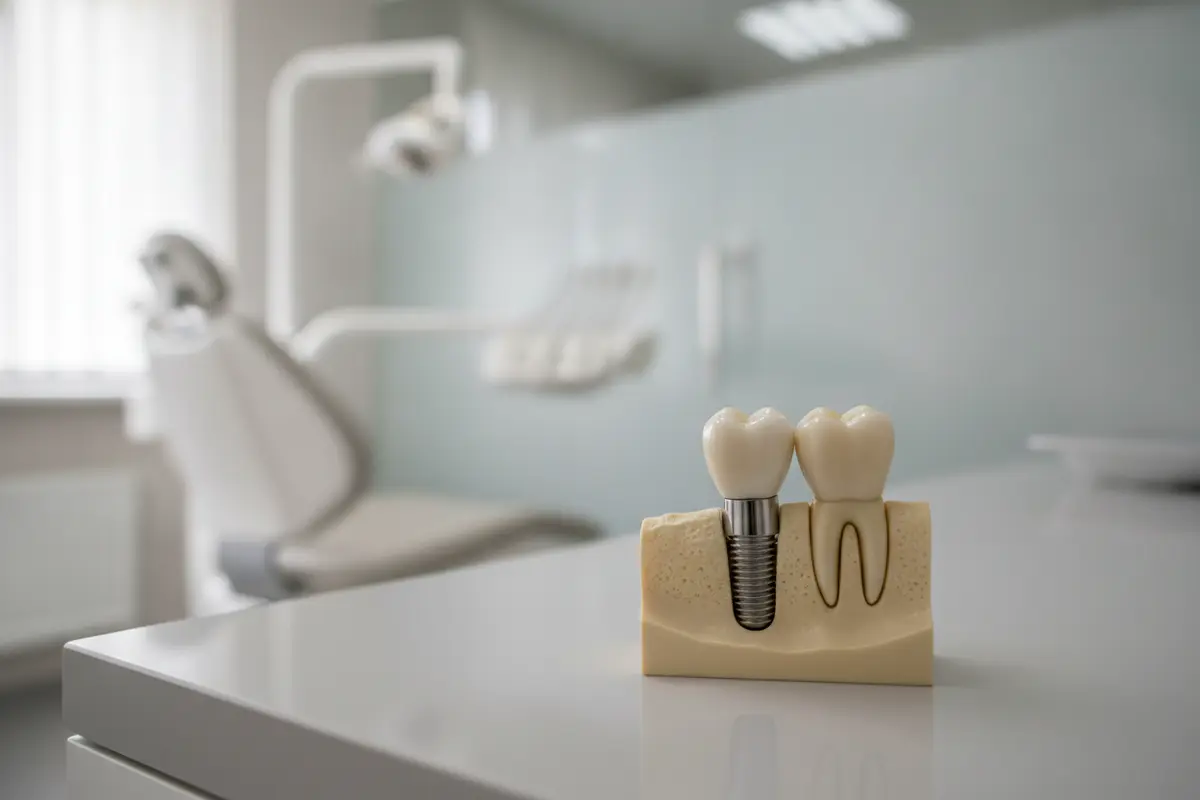
Implant treatment does not end when the restoration is delivered. The implant and prosthesis need regular professional evaluation and daily home care. The exact cleaning method depends on the restoration, the spaces around it, and the patient's dexterity and oral health. Ask your clinician or dental hygienist to demonstrate the tools and techniques for your design rather than relying on general advice.
Useful maintenance questions include:
Keep your treatment records, including the implant system and component information, restoration details, and relevant images when provided. This is especially useful if you later see another clinician or need repair. Routine care and follow-up should be planned with the team that knows your case. If gum health is part of your treatment plan, discuss the appropriate approach to periodontal care and professional cleanings and exams.
Dental implant estimates can include different services and components. One quote may cover a fixture only, while another may include imaging, surgery, temporary teeth, the final restoration, follow-up, or additional procedures when needed. Those are not necessarily equivalent proposals. Ask for the treatment plan in writing and confirm what is included, what may be billed separately, and what could change after further evaluation.
Compare these items:
Cost matters, but it is most useful when considered alongside the treatment scope, clinical reasoning, materials, and future maintenance. If you are comparing opinions, bring both written plans to a consultation and ask the clinician to explain differences without assuming that the most expensive or least expensive option is automatically better. Details on financing and payment information may help you prepare questions about affordability.
A recognized manufacturer may offer established product options, but the brand alone cannot determine whether an implant is appropriate for you. Candidacy depends on your specific oral and general health, anatomy, restorative needs, and ability to maintain the result. Treatment also depends on how the implant is positioned and restored, as well as the follow-up and home care that come afterward.
That is why it helps to distinguish two questions: “Is this a credible system for the proposed use?” and “Is this treatment plan appropriate for my situation?” The second question requires an individual assessment. Your clinician should explain alternatives, potential limitations, and what additional treatment might be necessary. If you have dental anxiety or want to understand comfort options, ask about the practice's information on IV sedation and whether any option is suitable for your care.
Advanced Cosmetic and Implant Dentistry provides Straumann implants as part of its implant care. The specific system and components considered for a patient depend on the clinical plan. The practice describes its implant services and treatment process on its implant services page. A consultation is the place to discuss how your diagnosis, restoration, and preferences guide the recommendation.
A little preparation can make the conversation more useful. Write down your main concerns and the outcome you hope to achieve. Bring a list of medications and relevant health conditions, any existing dental or implant records you have, and previous treatment plans or estimates. If another dentist has recommended a particular implant system, bring that recommendation and ask what clinical findings support it.
Use this checklist during the visit:
Patients considering care at Advanced Cosmetic and Implant Dentistry can learn about Dr. Avinash S. Bidra and Dr. Xiao Chun Li before a visit. If you would like to discuss a specific plan or arrange an evaluation, use the practice's contact page.
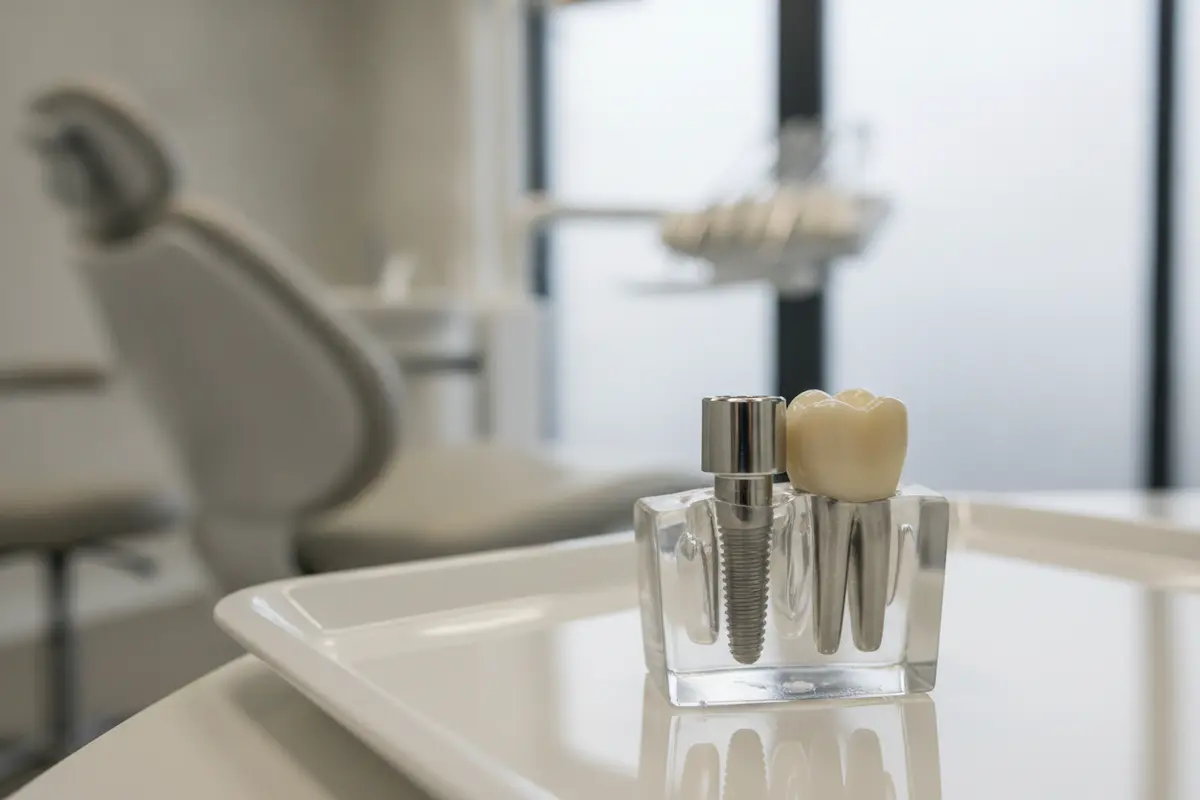
No implant system is suitable for everyone. A clinician must assess your health, oral condition, anatomy, restoration needs, and ability to maintain the result. The brand is only one factor in deciding whether implant treatment is appropriate.
Not by itself. Ask which specific fixture, connection, abutment, and restorative components are planned. Also ask how the planned parts relate to your crown, bridge, or full-arch prosthesis and how the design can be serviced later.
Brand information can be part of a comparison, but it does not show whether two quotes include the same diagnosis, surgery, components, temporary and final restorations, follow-up, and possible additional procedures. Request a written breakdown and compare the treatment scope and reasoning.
Ask the office that placed it for your records or any implant identification information. If you do not have those details, a clinician can assess the implant and restoration and discuss what can be determined. Bring any prior notes or images you can obtain.
Follow the cleaning instructions given for your specific restoration and attend the recommended professional follow-up. The tools and technique can differ between a single crown, a bridge, and a full-arch prosthesis, so ask the team to show you how to clean the areas around your implant.
If you are considering Straumann implants, focus on the complete plan: diagnosis, component selection, restoration design, cost, and long-term care. Bring your questions to a consultation and ask how each part of the recommendation fits your needs.
Contact Advanced Cosmetic and Implant Dentistry to discuss your options
With a clear explanation of the proposed system and the restoration it supports, you can make a more informed decision about your next step.
Patients in Hartford, CT, can experience unmatched quality and value by choosing board-certified doctors Avinash Bidra and Xiao Chun Li.
We are affiliated with the following prestigious organizations: