Local anesthesia for dental implants is the medicine that numbs the area where an implant will be placed. It is not the same as being asleep, and it is not a promise that you will feel nothing at all. Most people still notice pressure, vibration, or movement. Sharp pain should not be part of a well-numbed visit. If something pinches, you can raise a hand and the team can add more anesthetic before going on.
Call (860) 659-8660 to talk through numbing and comfort options
This guide is about the numbing itself. It covers how the medicine is given, what a single tooth and a full arch may need, how long the lip or tongue can stay numb, and why sedation is a separate choice. It is general education, not a plan for your mouth. Your health history, medicines, and the procedure all shape what is appropriate. If you want the broader question of soreness after surgery, read whether dental implants are painful. That page covers recovery discomfort. This one stays with the anesthetic.
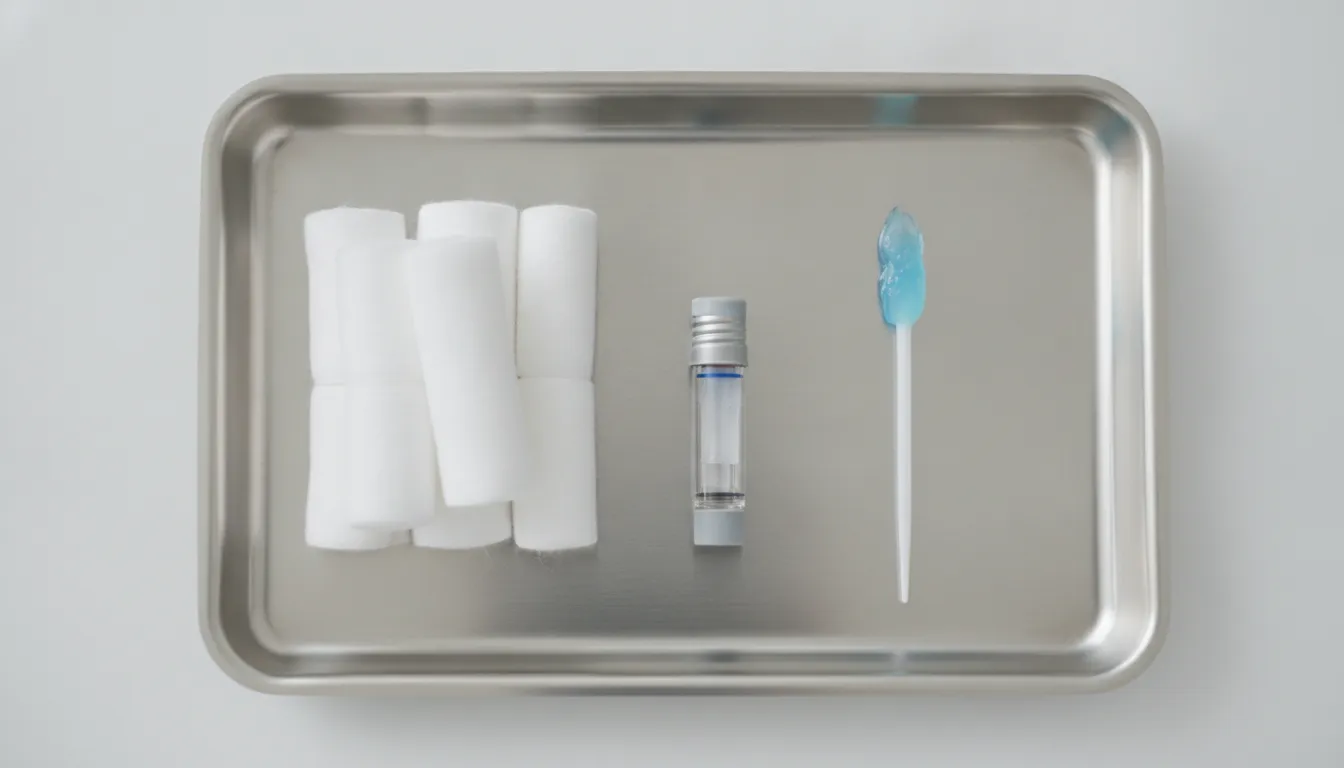
Local anesthetic blocks pain signals from a small area of the mouth. You stay awake, you can hear the team, and you can respond if someone asks you to open wider or bite gently on a pad. The American Dental Association's patient page on comfort options describes two forms. A topical gel numbs the surface. An injection numbs the treatment area more completely and lasts longer.
For an implant, the goal is a quiet surgical site, not a silent whole body. The jawbone itself has fewer pain fibers than the gum and the lining of the mouth. Once those soft tissues are numb, many people describe the placement as pushing or vibration rather than pain. That description is common. It is not a guarantee. Nerves, infection, and anxiety can all change what you notice.
Dentists still read the cartridge label even when cartridges are color coded. The American Dental Association's anesthesia and sedation guidance notes that color bands help identify the anesthetic and any vasoconstrictor, but the label is the real check. You do not need to memorize drug names. You do want a team that confirms the medicine, the amount, and your medical history before the first injection.
The visit usually starts with drying the gum and placing a topical gel. That gel takes a few minutes. It dulls the surface so the injection is less sharp. It does not numb the bone or the deeper tissue where the implant will sit.
The injection comes next. For one tooth, the dentist often places anesthetic beside that tooth, in the gum and under the lining of the mouth. For a lower back tooth, a deeper nerve block is sometimes used so the whole side of the jaw gets numb. Research on posterior implant surgery has compared infiltration beside the site with a classic lower-jaw nerve block. Neither approach is right for every case. The choice depends on the tooth, the bone, and how completely the site tests as numb.
You should feel the area getting thick, fat, or tingly before any surgical step. A simple check is pressure on the gum with an instrument. If you still feel a pinch, more anesthetic is added and the team waits again. Rushing that wait is a common reason people think they were not numb enough.
Numb does not mean absent. Local anesthetic stops sharp pain signals. It does not erase every sensation. You may feel the chair move, cool water, a gloved finger on your cheek, or the vibration of the drill. Some people feel a brief sting when the injection starts, then heaviness as the medicine spreads.
Pressure is the sensation patients mention most. The implant is placed into bone, so the jaw can feel pushed even when the gum is fully numb. That pressure is not the same as pain, but it can be startling if nobody described it first. Hearing the instruments is also normal. Earplugs or music are comfort tools. They are not a substitute for anesthetic.
If you have trouble getting numb at other dental visits, say so before the appointment. Infection, inflammation, and unusual nerve paths can make a standard dose less effective. A prosthodontist can change the injection site, wait longer, or use a different approach. That is a clinical decision made that day, not something an article can prescribe.
The amount of numbing follows the size of the surgery. One implant in a healthy site is often managed with local anesthetic alone. Two or three neighboring teeth may need a wider field, still with you fully awake. A full-arch procedure, such as All-on-4, numbs a much larger area and usually takes longer. Optional IV sedation for dental care is discussed for those longer visits, but the numbing injections still happen.
Extra steps change the plan too. If a failing tooth is removed at the same visit, or if bone grafting for dental implants is part of the surgery, more tissue is involved. Grafting does not automatically mean you need to be asleep. It does mean the team plans anesthetic for every area they will touch, including donor sites inside the mouth.
| Visit type | Typical numbing approach | What patients often notice |
|---|---|---|
| One implant. | Topical gel, then local anesthetic at that site. | Pressure and vibration in one area. |
| Several teeth. | A wider local field or a nerve block. | A larger lip, cheek, or tongue feels thick. |
| Full arch. | Broad local anesthetic, sometimes with sedation. | Longer numbness and a longer appointment. |
| Implant plus graft or extraction. | Local anesthetic for every surgical site. | More than one area feels heavy afterward. |
Use the table as a map, not a menu you pick alone. Dental implant treatment options are planned from images, bite, and medical history. A short visit for one tooth and a full-arch visit are different operations, even when both use the same family of local anesthetic.
See how implant treatment is planned
Local anesthesia and sedation solve different problems. Numbing blocks pain at the surgical site. Sedation changes how alert, anxious, or sleepy you feel. One does not replace the other. A person under IV sedation for implants still receives local anesthetic so the surgery is not painful. A person who is only numb is still fully awake and can remember the visit.
The ADA's patient handout makes the same split. Numbing medicines treat the area. Separate medicines help you relax, and the choice depends on medical history, the treatment plan, and the dentist's training. Nitrous oxide, a pill, or IV medicine can be added when anxiety or a long procedure makes staying fully alert hard. Those options are covered in the practice's guide to sedation options for implants. This article will not repeat that comparison.
Safety follows the same split. Local anesthetic is routine, but the dose still has to fit your weight, medicines, and heart history. Some cartridges include a vasoconstrictor that can matter for certain heart conditions. That is a reason to share your physician's guidance, not a reason to avoid implants. Sedation, when used, adds monitoring of breathing and vital signs. The knowledge base for this practice describes health screening before sedation and monitoring during and after it. Whether you are a candidate is decided in person.
Most dental local anesthetics last a few hours, not a few minutes. The lip, cheek, or tongue can feel thick after you leave. That window is when people accidentally bite themselves. The ADA specifically warns patients to avoid chewing or testing the numb area while the medicine wears off. Soft, cool foods are easier than a hot drink you cannot feel.
Duration varies. A single infiltration may fade sooner than a lower-jaw nerve block. A longer full-arch visit can leave a wider area numb into the evening. If a tooth was also removed, swelling can make the area feel different from numbness alone. Soreness that builds after the anesthetic fades is a recovery topic. The dental implant recovery timeline and the implant aftercare guide cover that stage. They are not instructions for adding more anesthetic at home.
Call the office if numbness is still profound the next day. Also call if numbness comes with a sudden rash or trouble breathing, or if pain becomes sharp and is not eased by the plan you were given. Those events are uncommon. They are not something to watch for a week. Ordinary tingling that fades over several hours is the expected course for most people.
Local anesthetic is widely used, including for older adults and for people with complex medical histories. Widely used is not the same as automatic. Tell the team about blood thinners, bisphosphonates, diabetes, prior reactions to dental injections, and any limit your physician has placed on epinephrine. Bring a current medicine list. Guessing from memory on the day of surgery is how important details get missed.
Anxiety belongs in that same conversation. Being awake for implant placement is acceptable for many people and distressing for others. Neither reaction is a character test. If you have postponed care because of injections, say that at the consultation. The team can plan topical gel, a slower injection, breaks, or a sedation option that still includes local anesthetic. Whether you are a candidate for implants is a separate question from whether you can be numb comfortably.
A board-certified prosthodontist plans the surgery and the final teeth together. At Advanced Cosmetic and Implant Dentistry in Glastonbury, that planning stays in house, which matters when the numbing plan has to match a single crown, a bridge, or a full arch. You can read more about the doctors on the Dr. Bidra profile and about the surgical sequence in the patient guide to surgical dental implants.
Talk with the team about your health history and comfort
A useful consultation is specific. Ask which areas will be numbed, whether a nerve block is likely, and how you should signal if you feel a pinch. Ask whether sedation is being recommended and, if so, why local anesthetic alone is not the plan. Ask how long you should expect the lip or tongue to stay numb, and what you may eat before it fades.
Also ask what the visit will not decide. An article cannot set your dose. It cannot say that you will feel only pressure. It cannot say that a full-arch procedure will feel like a single filling. Those answers come from an exam, images, and a review of your health. The surgical dental implant process explains the placement visit in more detail, and All-on-4 dental implants explains the full-arch path if that is the treatment being considered.
One published patient series on recovery after implant placement found that swelling, eating changes, and pain were usually most noticeable in the first few days, not during a numb surgery. That study was small, about 40 adults, so it describes a pattern rather than a rule for you. It supports a simple point: the anesthetic visit and the healing week are different experiences. Plan questions for both.
Yes. Implant placement is done with local anesthetic so the gum and nearby tissue do not send sharp pain signals. You may also be offered sedation for anxiety or a longer procedure. Sedation is added to numbing. It does not take the place of it.
You may feel a brief sting or pressure when the injection starts, especially before the topical gel has had time to work. After the waiting period, the surgical site should feel thick or dull. Tell the team if a sharp pinch remains. More anesthetic can be added before the implant is placed.
Local anesthetic by itself does not make you drowsy the way IV sedation or an oral sedative can. Many people who receive only numbing can drive, but that depends on how you feel, what else was given, and the written instructions for your visit. If any sedative is part of the plan, arrange a ride. Do not assume the rules for a numbing-only visit apply.
Often for a few hours. A wider nerve block or a longer full-arch visit can leave a larger area numb for longer. Avoid hot drinks and chewing on the numb side until feeling returns, so you do not burn or bite tissue you cannot feel.
Say so before the appointment. Infection, inflammation, and differences in nerve anatomy can make a routine injection less effective. The dentist can change the technique or the waiting time. That adjustment is individual. It is not something to solve by taking extra medicine on your own.
Local anesthesia for dental implants is the ordinary way to keep a surgical site from hurting while you stay awake. Pressure and vibration can remain. Sharp pain should be reported, not endured. Sedation is available when anxiety or the length of treatment calls for it, and it is planned on top of the numbing, not instead of it.
Bring your medicine list, your questions about nerve blocks, and any history of difficulty getting numb. A consultation at Advanced Cosmetic and Implant Dentistry is the right place to match those facts to a single tooth, several teeth, or a full arch.
Patients in Hartford, CT, can experience unmatched quality and value by choosing board-certified doctors Avinash Bidra and Xiao Chun Li.
We are affiliated with the following prestigious organizations: