Searching for the best dental implant brand can seem like a simple way to start comparing treatment. But there is no single brand that is best for every patient. The right choice depends on your anatomy, the tooth or teeth being replaced, the planned restoration, your health history, and the clinician’s treatment plan. A brand name matters, but it is only one part of a decision that should be made around your needs.
Arrange an implant consultation
A dental implant restoration is a system, not just a small post placed in the jaw. In a common arrangement, the implant fixture is placed in bone, an abutment connects it to the visible replacement tooth, and a crown, bridge, or other prosthesis completes the restoration. The parts have to work together, and the design needs to suit the area being treated and the final tooth replacement.
When patients compare brand names, they may be comparing very different things without realizing it. A manufacturer may offer multiple implant designs, dimensions, connections, and restorative components. Two treatment plans that use different systems may also differ in the number of implants, the type of restoration, the steps needed before placement, and the way the final result will be maintained.
For that reason, “best” is not a universal ranking. It means a system that the treating clinician considers appropriate for your clinical situation, can restore predictably with compatible parts, and can support with a clear plan for follow-up. Ask your clinician to connect the brand recommendation to your exam findings instead of relying on a general online list.
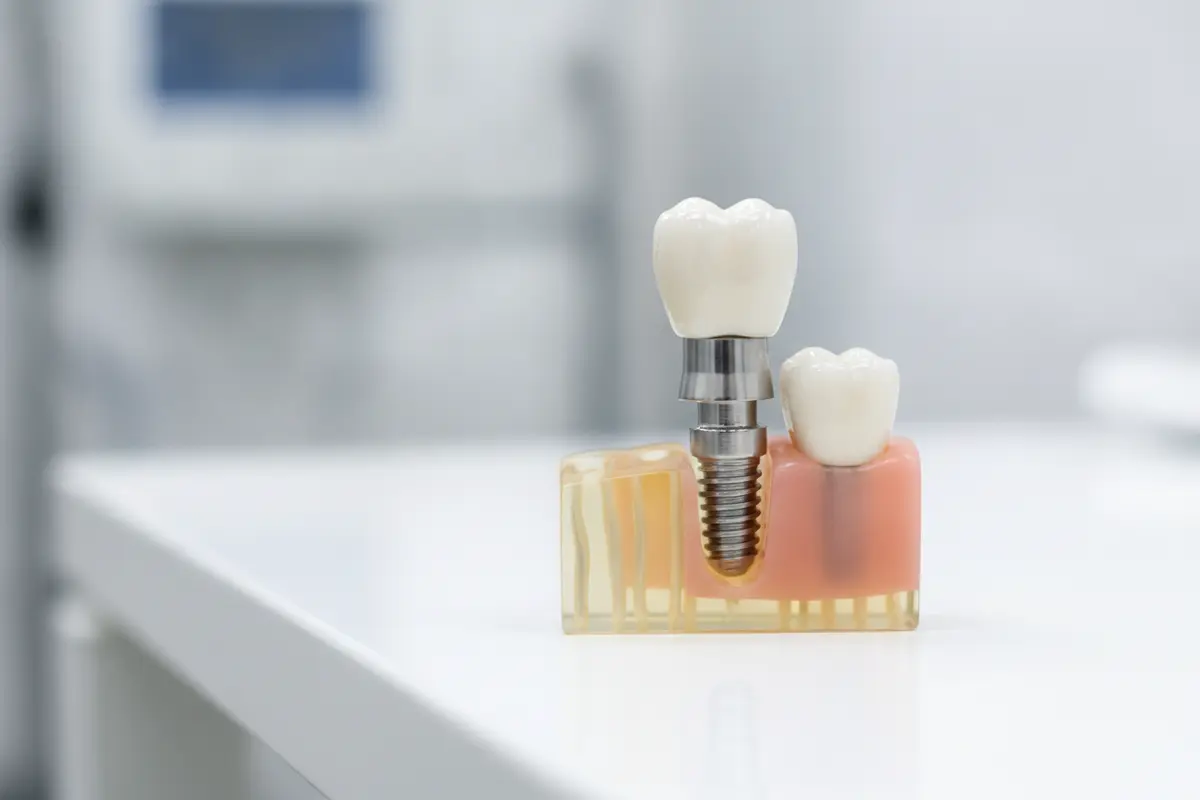
A meaningful comparison starts with the treatment problem being solved. A person replacing one tooth may need a different design and restorative plan from someone replacing several teeth or restoring a full arch. Your clinician should explain how the implant system and the planned restoration fit together.
A consultation can help you understand how these factors apply in your own mouth. You can review the practice’s dental implant treatment information and learn about the doctors’ training before you meet with the team.
Ask to compare complete plans rather than isolated product names. If you are reviewing more than one opinion, request a plain-language explanation of the diagnosis, the proposed implant system, the planned restoration, and the expected sequence. The table below can help you organize the discussion. It is not a scoring system; the goal is to understand why each option is being considered.
| Comparison point | Questions to ask | What a clear answer should explain |
|---|---|---|
| System and components | Which system and components are proposed, and why do they suit my case? | How the recommended design relates to your anatomy and treatment plan. |
| Final restoration | Will the implant support a crown, bridge, or full-arch prosthesis? | What visible replacement is planned and how it connects to the implant. |
| Care team and stages | Who plans, places, restores, and checks the implant? | Which clinician is responsible at each stage and how care is coordinated. |
| Alternatives | What other reasonable options could address my concern? | The differences between the proposed plan, alternatives, and waiting. |
| Estimate and visits | What is included, what could be separate, and which visits are expected? | The complete financial and time commitment, not only the placement step. |
| Future care | How will the restoration be maintained or repaired if needed? | Follow-up expectations, records, and a practical route for addressing concerns. |
Two plans may both be reasonable and still differ. One may include preparatory care or a different restoration; another may place more emphasis on a particular sequence or follow-up approach. Ask the clinician to explain what accounts for each difference. If the explanation stays at the level of “this brand is better,” ask what specific feature makes it a better fit for you.
Explore dental implant treatment
Writing down questions can make a consultation more useful, especially when you are comparing options or feel unsure about the terminology. Start with the reason for the recommendation, then move through the restoration, timeline, cost, and maintenance.
Bring a current medication list, relevant medical history, and any records from previous dental treatment that you have. If you have a specific goal—such as improving chewing, replacing a visible tooth, or stabilizing a larger restoration—say so. The clinician can then explain how the proposed plan addresses that goal and what limits or uncertainties should be considered.
If you want to understand the clinicians’ backgrounds, you can read about Dr. Avinash S. Bidra and Dr. Xiao Chun Li. For complex restorative needs, it may also help to understand what full-mouth reconstruction involves.
The location and number of missing teeth shape what the implant is being asked to support. For one missing tooth, the treatment discussion may center on the planned crown, its position among neighboring teeth, and how it will meet the opposing teeth when you bite. For several missing teeth, a bridge or other connected restoration may be considered. For a full arch, the design and maintenance of the complete prosthesis become central to the plan.
These differences are one reason patients should avoid choosing a system based only on a broad “best brand” list. A system that is suitable for one type of restoration does not automatically answer whether it is the right choice for another. Ask your clinician to show or describe the planned restoration and explain how it will be supported.
It can also help to compare implant treatment with other ways to replace or restore teeth. Depending on your situation, a conventional dental crown, a dental bridge, or dentures may be part of the conversation. These options are not interchangeable for every patient. Your clinician can explain what each option would involve and what it can or cannot address.
An estimate for implant care can include multiple parts of treatment. The total may reflect the number of implants, the restoration, imaging, laboratory work, preparatory procedures if needed, and follow-up. Different estimates may therefore describe different plans, even when both are presented as an implant price. Compare what each estimate actually covers before deciding that one is less expensive.
Ask for a written estimate that separates the stages or components as clearly as possible. Confirm whether it includes the implant placement and the finished restoration. Ask whether a temporary replacement is included when relevant, whether additional procedures are possible, and how a change in the plan would be discussed. The practice provides information about dental implant costs and financing options that you can review as you prepare questions.
Cost is important, but the lowest line-item price does not tell you whether the plans are equivalent. Check the number and type of restorations, included visits, possible separate charges, and who provides each stage. If something is unclear, ask the office to explain the estimate before you commit. A second opinion may be useful if you cannot reconcile substantial differences or do not understand what is included.
When two clinicians recommend different implant systems or treatment sequences, first check whether they are solving the same problem. One may be discussing a single-tooth restoration while another is proposing a broader plan. One estimate may cover only placement, while another may describe placement and the finished restoration. Differences in what is being compared can make a brand seem like the central issue when the plans themselves are not equivalent.
Ask each clinician to state the diagnosis and the specific goal of treatment in similar terms. Then compare the proposed restoration, the reason for any preparatory care, the stages involved, and the follow-up plan. You can use a simple written checklist with columns for “Plan A” and “Plan B.” Record what each includes, what remains uncertain, and what question you still need answered. This keeps the discussion focused on the treatment rather than on marketing language or a product name alone.
For example, imagine that one consultation recommends replacing a missing tooth with an implant and crown, while another discusses a bridge. That is not simply a comparison of two implant brands: the clinicians are considering different ways to address the gap. Ask what each option requires, what neighboring teeth are involved, and how the result will be maintained. In another case, two clinicians may both recommend an implant but plan different restorative designs. Ask how the design relates to the bite, available space, and the long-term care you can manage.
It is also reasonable to ask what information could change the recommendation. The answer might identify a finding from the examination, imaging, or medical history that needs closer review. Understanding what is known, what is still being evaluated, and what would lead to another option helps you make a decision without expecting a brand label to answer every clinical question.
Once treatment is complete, keep the written treatment plan, restoration information, and any available details about the implant system and components with your dental records. Those details can help a clinician understand what was placed if you move, change providers, or need care in the future. Ask the office how you can obtain a copy and where the information will be stored.
Long-term care should be part of the discussion before treatment begins. Ask what cleaning routine is appropriate for your restoration, how often professional checks are recommended for your situation, and whom to contact if something changes. Routine dental cleanings and exams support ongoing monitoring; if gum health is a concern, ask how periodontal care relates to your plan.
For scientific context, a review available through the National Library of Medicine discusses dental implants as a tooth-replacement option and notes that implants are not exempt from failure: Evaluation of the Determinants of Dental Implant. It does not establish a universally best system or determine what is appropriate for an individual patient. Use research as background for questions, not as a substitute for an examination and individualized treatment planning.
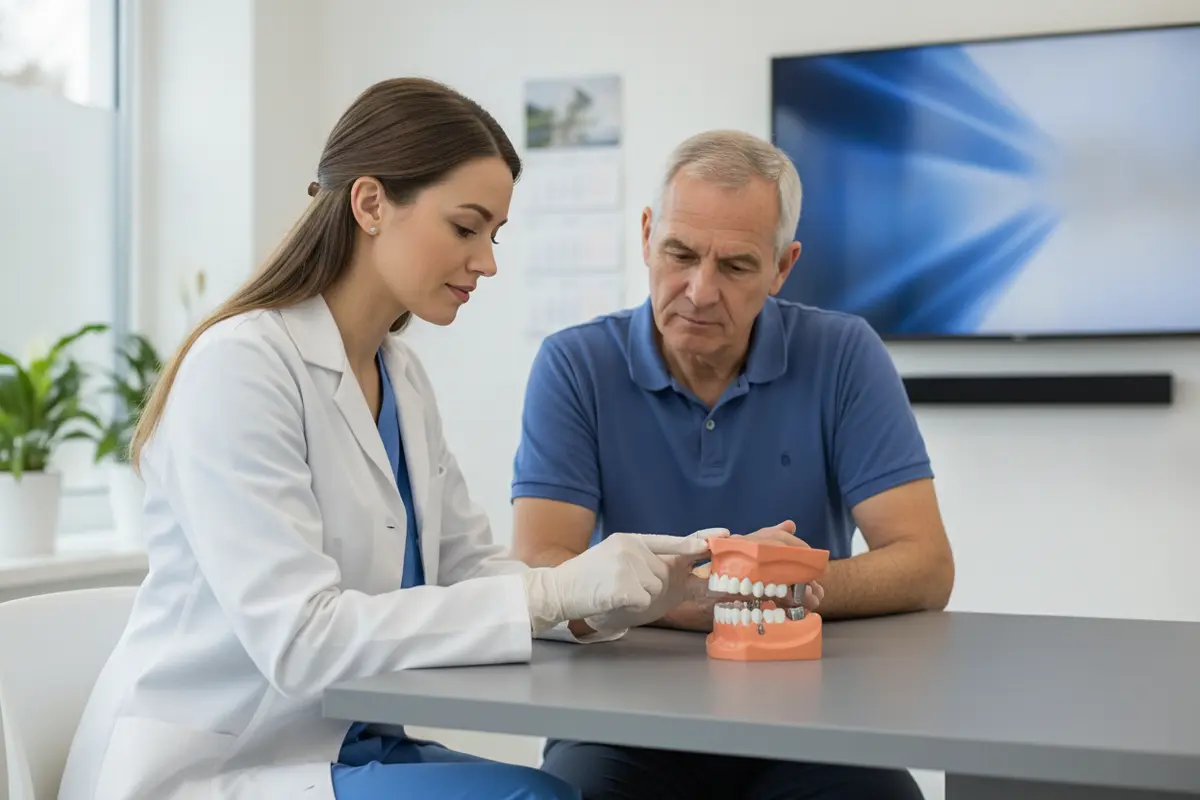
A useful consultation begins with your goals, dental history, and health information. The clinician then evaluates your mouth and may use appropriate imaging to understand the area and plan. After that, you should be able to discuss whether implant treatment is suitable, what restoration is proposed, what alternatives are available, and whether additional steps may be needed.
Pay attention to whether the explanation addresses the whole process. You should understand what happens before placement, what the placement stage involves, how the restoration will be completed, and what follow-up is expected. Ask for unfamiliar terms to be explained. It is reasonable to take notes, ask for a written plan, or schedule time to consider your options rather than making a decision before your questions are answered.
Advanced Cosmetic and Implant Dentistry is a specialty practice in Glastonbury that provides implant and prosthodontic care. Patients considering a broader restoration can read about full-arch implant treatment and review the practice’s approach to care. These pages offer background, while an individual consultation is where a clinician can assess which options may fit your needs.
Discuss your dental implant options
No. The suitable system depends on the patient’s anatomy, oral health, planned restoration, and clinical plan. Ask why a system is being recommended for your case instead of relying on a universal ranking.
Yes. Ask for the system and planned components, why they are appropriate, and how you can receive the information for your records. You can also ask how the restoration will be maintained and who to contact with questions later.
Compare the complete plans and what each estimate includes. The number of implants, restoration type, imaging, preparatory care, laboratory work, and follow-up can differ. Ask for clarification before comparing prices.
Contact the office that placed it and request your treatment records, including information about the system if available. If you cannot obtain those records, bring any documents you do have to a dental consultation so the clinician can assess the restoration and discuss next steps.
A second opinion can help when the recommendations differ or you are not sure what a plan includes. Bring any available imaging, records, and estimates, and ask each clinician to explain the diagnosis, restoration, expected stages, and follow-up in clear terms.
Learn about dental implant care
The best dental implant brand is the one that fits a carefully planned treatment for your individual needs—not a name selected from a general ranking. Bring your questions about the system, restoration, estimate, and future care to a consultation so you can understand the recommendation and make an informed decision.
Patients in Hartford, CT, can experience unmatched quality and value by choosing board-certified doctors Avinash Bidra and Xiao Chun Li.
We are affiliated with the following prestigious organizations: