Teeth in a day Connecticut searches usually start with a simple hope. People want to know if they can leave a visit with fixed teeth instead of a removable denture. The honest answer is sometimes, and only after an exam. Same-day teeth are a temporary bridge on new implants. They are not the finished teeth, and they are not promised to every person who asks.
That difference is the whole decision. A good plan names who is a candidate, what the temporary teeth can do, which records come first, and how follow-up works before anyone talks about a surgery date. If a Connecticut office cannot answer those points in plain language, the slogan is running ahead of the plan.
Schedule a consultation to review your teeth in a day questions
Start with the meaning of the phrase, not the marketing. Ask whether "teeth in a day" means a fixed temporary bridge on implants placed that day, or a removable denture you take out at night. Those are different treatments. Only the first one matches what most people picture.
Then ask whether that temporary bridge is planned for your mouth, or described as something the office offers in general. Candidacy is personal. Bone, bite, health, and the teeth already in your mouth all change the plan. A statewide ad cannot decide it.
Four questions sort a first call quickly:
Write the answers down. If the replies stay vague, you do not have a plan yet. You have a brochure. Patients comparing All-on-4 dental implants should hear the same distinction on the service page and in the consult.
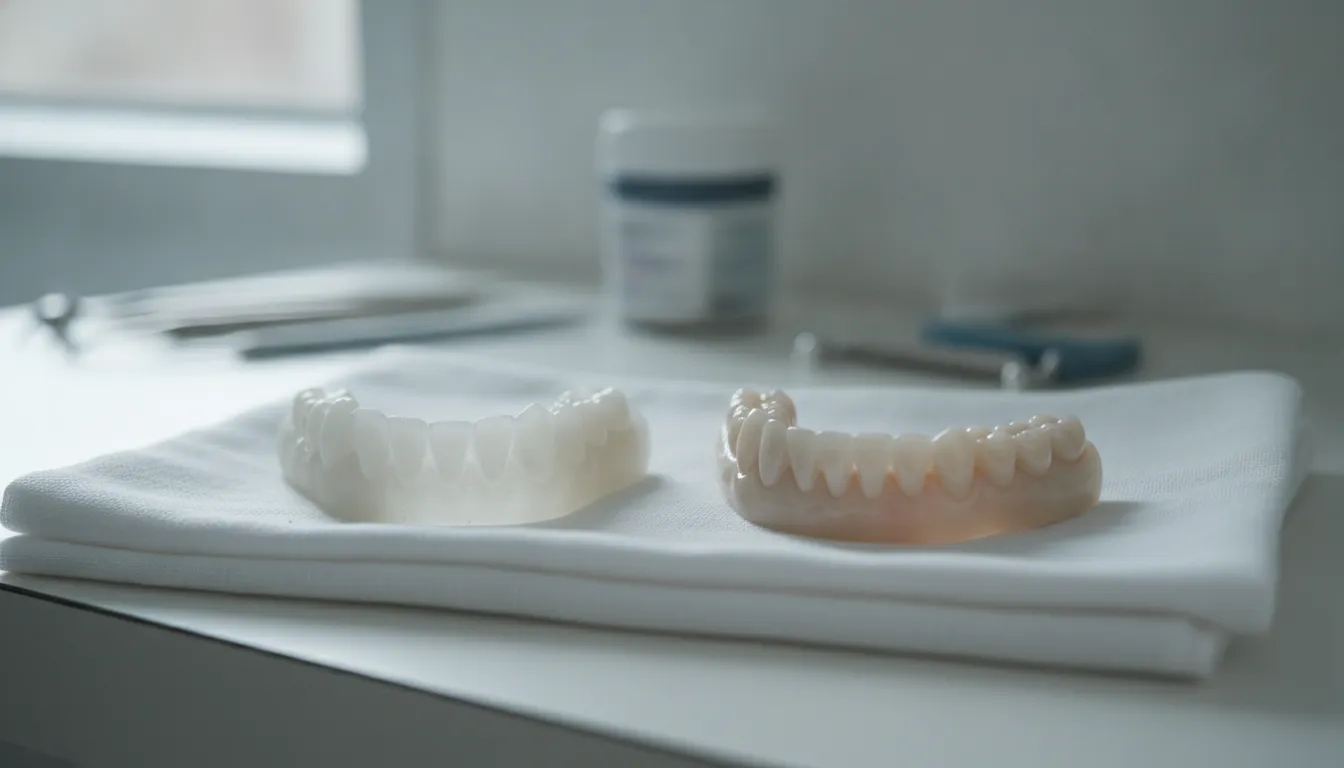
The bridge you may wear home is a provisional. It lets you speak and smile while the implants heal in the bone. The final bridge comes later, after the clinician confirms healing and can refine the bite, shape, and material.
Ask what the provisional is made of. In a well-studied immediate-load approach, that first fixed bridge is acrylic resin, often converted from a denture. It is meant to be adjusted. It is not meant to be the lifetime restoration. A 2025 retrospective study led by Avinash S. Bidra followed 153 of these acrylic conversion prostheses in 117 patients. Early implant survival during that healing window was 98 percent, and 94.1 percent of the provisional bridges stayed free of cracks or fractures in the first four months. The authors describe the method as a predictable way to load implants right away, not as a substitute for the final prosthesis (Migus, Bidra, and Kuo, Journal of Prosthodontics, 2025).
Those numbers are about one protocol in a chart review. They are not a guarantee for you. They do show why the temporary stage exists. A lighter acrylic bridge can be shaped, polished, and repaired while the implants are still integrating. Jumping straight to a heavy final material before the bite is proven can put that investment at risk.
| Question | Provisional bridge | Final bridge |
|---|---|---|
| When is it attached? | The day implants are placed, if the plan calls for immediate load | After healing is confirmed, often several months later |
| What is it for? | Appearance, speech, and a soft-food diet while bone heals | Long-term chewing, bite, and the material you keep |
| Can it be changed? | Yes. Acrylic can be adjusted as gums and bite settle | It is built from the refined shape, not used as a test |
| What should you ask? | Who repairs a chip, and how soon? | Which material is planned, and why that one for you? |
If an office says the teeth you get the same day are already the final zirconia, ask how they will change the bite if the gums settle. A provisional exists so those changes happen before the final is made. For a closer look at healing care after that day, the teeth in a day care guide covers home care without repeating the decision questions here.
Same-day fixed teeth depend on stability the day of surgery. Ask what would make the clinician delay the temporary bridge. Common reasons include soft bone, an unstable implant, a bite that overloads new fixtures, or a medical issue that needs clearance first. Hearing "we will decide in surgery" is weaker than hearing the criteria up front.
Bring a short health list: diabetes control, bone-density medicines, blood thinners, smoking or vaping, and any history of radiation to the jaws. You do not need to diagnose yourself. You do need a clinician who reads that list before promising a date.
Ask these candidacy questions directly:
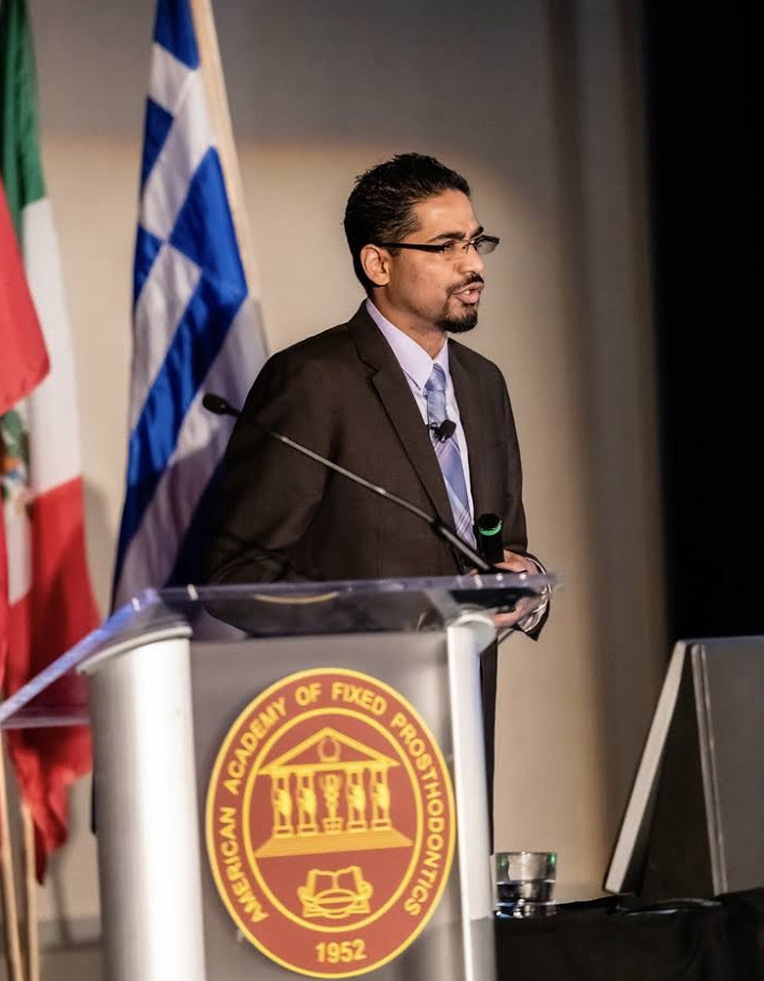
The last question matters in Connecticut, where many general offices refer surgery out and someone else makes the teeth. A prosthodontist is trained in both the surgical plan and the teeth that sit on it. Dr. Avinash Bidra is a board-certified oral and maxillofacial prosthodontist, and the Glastonbury practice is a Nobel Biocare All-on-4 Center of Excellence. That is the credential to ask about. It is not a promise that every visitor leaves with teeth the same day.
People who still have many failing teeth, or who want a removable plate instead, should also look at dentures and at full mouth reconstruction. Teeth in a day is one path, not the only one.
See how implant treatment is planned
A same-day promise without records is a guess. Ask which images and models are made before anyone schedules surgery. A complete exam usually includes a medical review and a look at the teeth and bite. It should also include a 3D scan, so implant positions match the bone you actually have.
Then ask what the plan shows you. You should see where implants would go and whether a graft is expected. You should also see whether the temporary bridge is part of that plan or still a maybe. "We will figure it out that morning" is not an evaluation.
Ask how the tooth shape is chosen, not only the implant spots. Same-day teeth have to clear your lip at rest, support speech, and meet the opposing teeth without slamming. If nobody has looked at an old photo, or at a denture you actually like, the provisional is a guess about your face. A prosthodontist plans the teeth and the implants as one job. That is why you ask who designs the bridge, not only who places the fixtures.
Connecticut patients often arrive with records from another office. Bring them. Prior X-rays, a denture that failed, and a list of what broke last time all change the questions. Past implant trouble is not a reason to skip an exam. It is a reason to ask whether the new plan retrieves, replaces, or works around what is already there. You should hear that answer before a date is set.
Useful records questions:
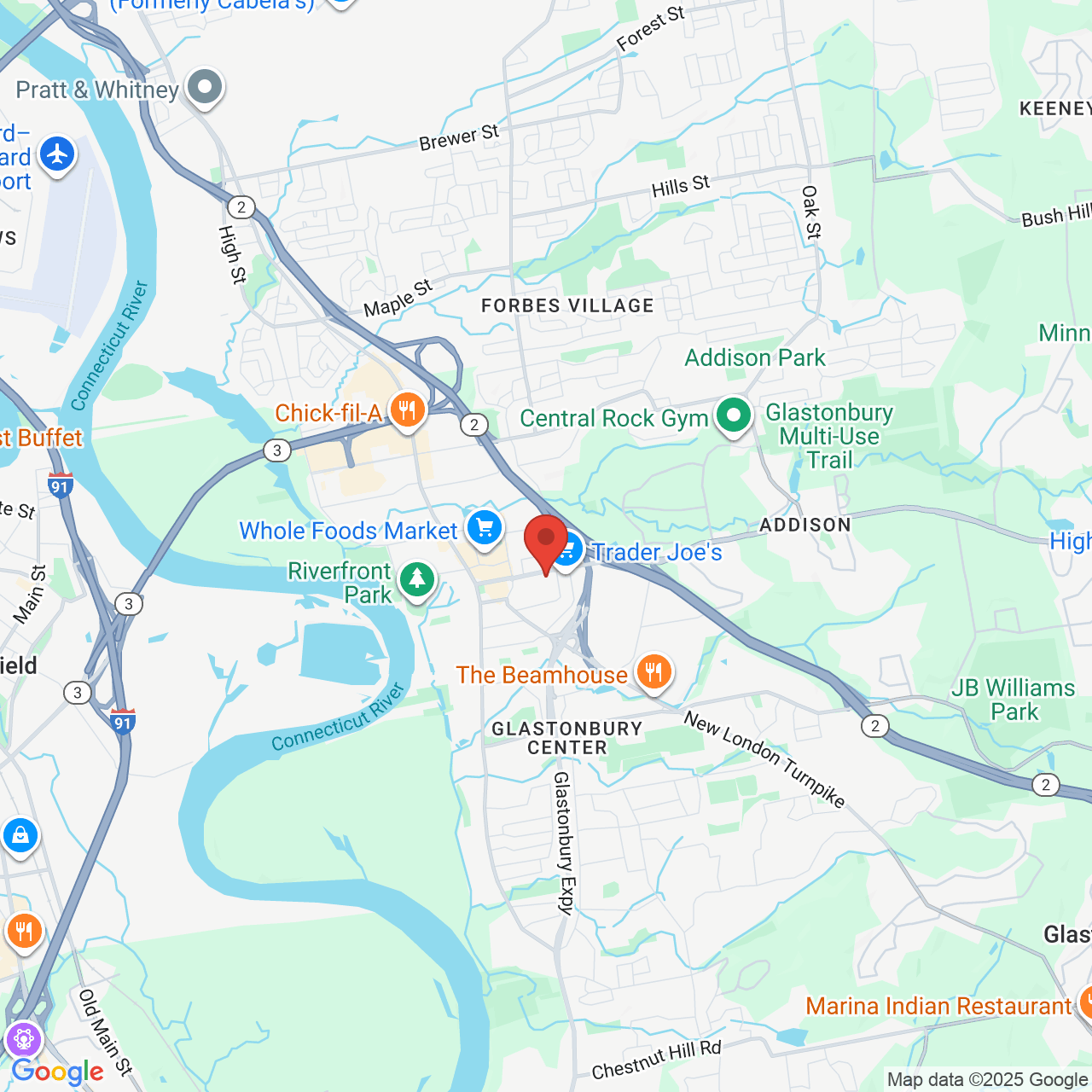
Travel belongs in this conversation too. The practice is in Glastonbury and sees people from greater Hartford and across Connecticut. Ask how many visits the evaluation takes, whether a driver is required if IV sedation is used, and which follow-ups must be in the office versus a call. The Glastonbury office page has the location if you are mapping the drive before you book.
If you want the procedure sequence itself, the Hartford teeth in a day guide already walks through consultation, placement, the temporary smile, and the final teeth. Use that for the how. Use this article for the questions that should be answered before you agree.
The day of surgery is the start, not the finish. Ask who you call if the provisional chips in week two, and how fast that person can see you. In the Bidra study, cracks and fractures of the conversion bridge were uncommon, but they did happen in the first four months. A plan with no repair path is not protecting the implants or your fee.
Ask what the first weeks are allowed to look like. A provisional holds the bite in a safe range while bone adapts. That usually means a softer diet, not a test of steak or nuts. You do not need a meal plan in this visit. You do need to hear that the temporary bridge is protected on purpose. Offices that say you can eat anything tonight are describing a different treatment than the one the evidence supports.
Ask what "healing confirmed" means before the final bridge is started. You want a clinician looking at the implants, the gums, and the bite, not a date circled on a calendar. Also ask who maintains the work after the final is attached. Cleaning under a fixed bridge is a skill, and it should be offered where the bridge was made.
Follow-up questions worth asking out loud:
Recovery details, including why the diet stays soft, live in the All-on-4 recovery guide. You do not need that timeline to judge whether follow-up is real. You need a named clinician, a visit schedule, and a repair plan.
One more Connecticut-specific check: ask whether the dentist who examines you is the dentist who will stand behind the provisional and the final. The practice is built around specialist care in one office, with an in-house lab. That setup is what lets a provisional be adjusted before a final is made. It is the practical version of the question, not a slogan.
Bring these questions to a Glastonbury consultation
No. For a properly planned case, same-day teeth are a fixed temporary bridge. The final bridge is made after the implants heal and the bite has been refined. Ask any office to say that out loud before you book.
No. Immediate teeth depend on implant stability, bone, bite, and health. A clinician should tell you before surgery if a delay is safer. A maybe on the day of surgery is not a plan.
Expect a health review, a clinical exam, and a 3D scan used to plan implant and tooth position. You should see that plan before a surgery date is treated as settled.
Acrylic can be adjusted and repaired while the gums and bite settle. A published review of this conversion method found high early implant survival and few broken provisionals in the first four months. The final material comes after that test period.
Start with the four first-call questions: fixed or removable, who decides candidacy, temporary versus final, and which records come first. Then book an exam. Dental implant treatment at this practice begins with that kind of plan, not with a same-day promise.
Teeth in a day Connecticut patients get a better result when the plan is spelled out before surgery. That plan should name the temporary bridge, the exam, and the follow-up. Advanced Cosmetic and Implant Dentistry plans that care in Glastonbury with a board-certified prosthodontist. Bring your questions. The useful visit tells you whether a same-day provisional fits, and what happens after it.
Patients in Hartford, CT, can experience unmatched quality and value by choosing board-certified doctors Avinash Bidra and Xiao Chun Li.
We are affiliated with the following prestigious organizations: