Dental implant removal is a clinical decision, not a default response to discomfort. An implant that moves, has lost a lot of bone, or blocks a sound new plan may need to come out. A stable implant often does not, even when the crown, the bite, or the gum needs care. The useful question is not "can this implant be taken out?" It is whether removal protects the bone, the nearby teeth, and the tooth that should come next.
This guide explains when a specialist may raise removal, what the evaluation looks at, how bone and soft tissue change once an implant is out, and which paths are realistic afterward. It does not describe how an implant is taken out. Technique belongs in the treatment room, after imaging and a diagnosis.
Removal enters the conversation when keeping the implant is unlikely to produce a stable, cleanable, comfortable result. Published reviews of explantation decisions point to a few recurring situations. None of them is a self-diagnosis. Each one is a reason to have the site examined rather than a reason to assume the implant is finished.
Pain by itself is not one of these indications. A sore gum, a loose crown, or a bite that feels high can come from the restoration rather than the implant in the bone. Those problems have their own fixes. Jumping to removal because something feels wrong skips the step that actually changes the recommendation.
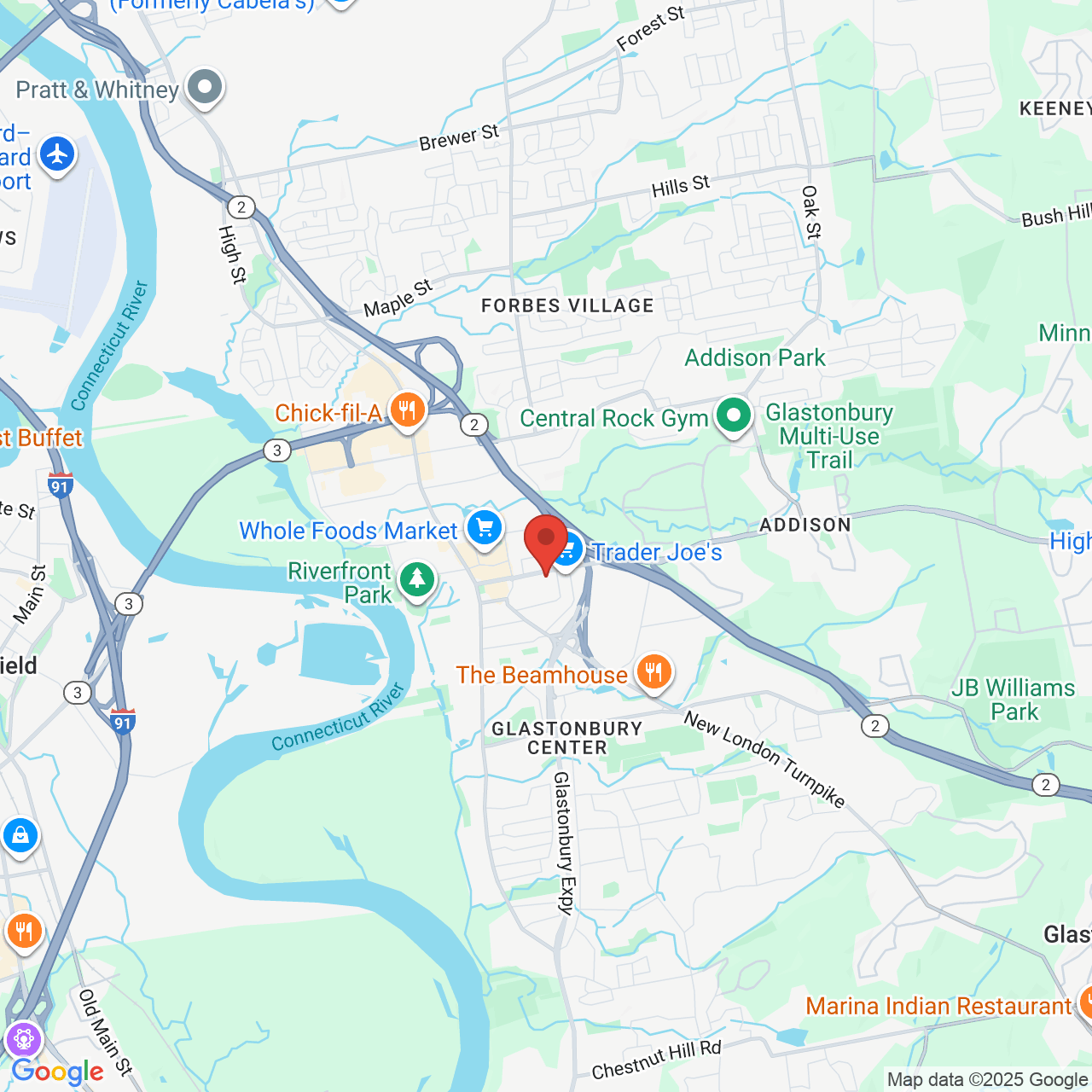
A useful visit separates the implant, the surrounding tissue, and the teeth or prosthesis attached to it. At Advanced Cosmetic and Implant Dentistry in Glastonbury, that review is led by a board-certified prosthodontist who plans both the surgical and the restorative side. The point is to decide whether this implant still belongs in the next plan.
Expect the visit to cover:
If the findings point toward saving the implant, that is a different conversation, covered in our guide to failed dental implant retreatment. If the findings point toward removal, the next questions are about bone, timing, and what replaces the tooth.
See how implant care is planned
Patients often arrive after reading about warning signs and assume the next step is explantation. Many complications never reach that point. Early gum inflammation, a cement-related sore spot, a loose abutment screw, or a chipped crown can be managed while the implant stays in place. Our article on dental implant complications walks through those signs and why early care matters.
The line between "treat" and "remove" is usually drawn from bone and stability, not from how worried the symptoms feel. A deep pocket around an otherwise integrated implant may still be treatable. An implant that spins, or one that has lost most of its bony support, generally is not. Position matters too. An implant that has drifted outside the bony housing, or that cannot support a cleansable restoration, may be removed even when some bone remains.
That distinction is why a second opinion from the clinician who will also design the replacement is worth having. A plan that only says "take it out" and stops there leaves the harder half of the problem unsolved.
Taking an implant out does not restore the site to the way it was before placement. The defect left behind depends on why the implant failed and how it was removed.
Advanced peri-implantitis often leaves a wide, uneven defect. An implant that never bonded to bone may leave a narrower one. Rough removal can widen that defect. Clinicians prefer the least invasive method that still gets the implant out safely. The Zurich review favors a counter-torque method when the implant will turn. It reserves burs for implants that will not. For patients, the point is simple. The method should protect bone that can still be used.
Soft tissue needs the same attention. Long-standing infection can leave thin or receded gum, especially on a front tooth where the margin shows. Grafting bone without planning the gum often produces a site that is hard to clean or a crown that looks long. Neither is a small cosmetic issue. Both change whether a new implant is a good idea.
Healing time is individual. Some sites can accept a new implant sooner. Sites with active infection, a large defect, or thin tissue usually need a period of healing, and sometimes a graft, before anything new is placed. Smoking, uncontrolled diabetes, and poor cleaning change that timeline. No article can assign you a number of weeks. The scan and the tissue tell that story.
Removal is the middle of the plan, not the end. Once the implant is out and the site is stable, the realistic options usually fall into four groups.
| Next step | When it may fit | What to understand |
|---|---|---|
| Heal, then place a new implant. | Enough bone can be rebuilt, or is already present. The position will support a tooth the patient can clean. | Studies of a new implant in a previously failed site report about 71 to 100 percent survival at five years. That range is not a promise. Infection control and the new position matter more than speed. |
| Graft first, then reassess. | The defect is large, infected, or too thin for a stable implant now. | A graft is a step, not a promise of a new implant. The site is re-evaluated after healing. |
| Use neighboring teeth or a bridge. | Adjacent teeth already need crowns. Or a new implant is not the better trade. | This avoids another implant surgery. It also prepares teeth that might otherwise have stayed untouched. |
| Change the prosthesis. | Several teeth are failing. Or one removed implant sits inside a larger reconstructive problem. | A denture, an implant-supported denture, or a full-arch plan may solve more than replacing the single lost fixture. |
Replacement with another implant is common, and it is not automatic. The new implant has to land in healthier bone, in a position that the restoration can actually use. Putting a new fixture back into an uncorrected infection, or into the same poor angle, repeats the original problem.
Where bone in the usual location is not recoverable, the plan may shift rather than force a graft that the site cannot support. Options such as pterygoid implants for severe bone loss are specific and limited. They are not a substitute for a calm look at a single failed site. For a mouth with many compromised teeth, full-mouth reconstruction or a carefully planned denture can be the more honest recommendation.
Review single-tooth and full-arch implant options
A clear consultation answers the decision, not just the procedure. These are fair questions to bring:
Ask who will plan both the removal and the tooth that follows. Splitting those decisions across offices often produces a site that heals well and a tooth that still does not fit. If anxiety about the visit is part of what has delayed care, IV sedation is available for appropriate treatment and can be discussed at the same visit. It does not change the clinical indication. It only changes how the appointment feels.
Two boundaries are worth stating plainly. Removal is not a cosmetic refresh, and it is not something to request because an implant is older than you expected. Many implants function for a long time. Our lifespan guide covers what tends to shorten or support that span. Age of the implant, by itself, is not an indication to take it out.
Talk with the practice about your implant
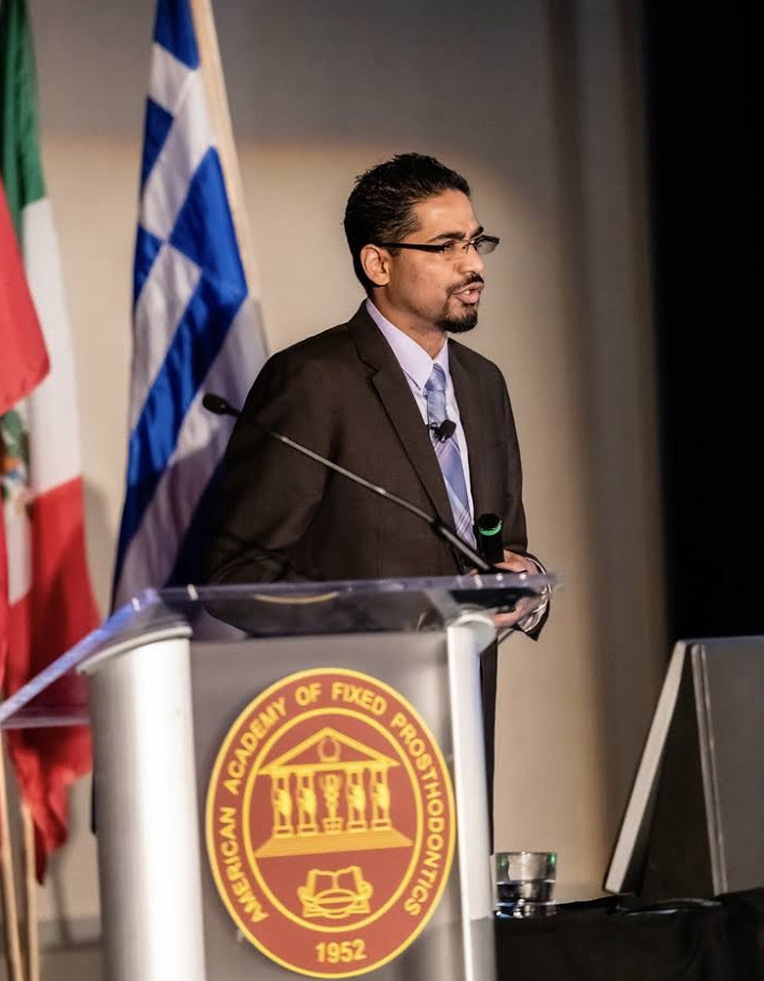
Dr. Avinash S. Bidra is a board-certified prosthodontist and maxillofacial prosthodontist. The practice is built so that diagnosis, surgery, and the final teeth stay under one plan, including the in-house laboratory work that shapes the restoration. That matters for removal cases because the replacement, not the extraction, is what you live with.
You should leave a consultation knowing three things: whether removal is actually indicated, what the bone and gum are likely to allow, and which replacement is being recommended and why. If the answer is to keep the implant and fix the crown, the bite, or the tissue, that is a complete answer. If the answer is removal, the plan should already name the next tooth.
Background on the practice and on Dr. Bidra is on the practice page. Patients comparing who should manage a complex implant problem can also read why a prosthodontist versus a general dentist is a different scope of training for this kind of decision.
Yes. Implants can be removed when they are mobile, fractured, severely affected by bone loss, badly positioned, or standing in the way of a better plan. Removal is a surgical decision made after an exam and imaging. It is not something to attempt or time on your own.
An implant that moves in the bone has lost integration and generally needs to be removed. A crown or denture that rocks, while the implant itself is firm, is a different problem and may be repairable. The exam is what tells those two situations apart.
Some change in the site is expected, and an infected or mobile implant has often already cost bone. Careful removal aims to keep as much remaining bone as possible. Large defects may need grafting and healing before a new tooth is planned.
Often, yes, once infection is controlled and the site has enough bone in a usable position. Reported five-year survival for a new implant in a previously failed site is about 71 to 100 percent. Your scan, not that range, decides whether you are a candidate.
Choose a clinician who can judge the implant, the bone, and the tooth that has to replace it. A board-certified prosthodontist plans the surgical and restorative sides together, which is the relevant training when the next tooth is as important as the removal.
Dental implant removal is appropriate when stability, bone, infection, position, or the overall prosthetic plan says the implant should not stay. It is the wrong move when the real problem is the crown, the bite, or treatable tissue inflammation. The evaluation is what separates those cases, and the value of the visit is a named next step, not only a yes or no on explantation.
If you are unsure whether an implant in your mouth still belongs there, bring the history and any recent radiographs to a consultation. The practice can tell you whether removal is on the table and what a responsible replacement would look like.
Patients in Hartford, CT, can experience unmatched quality and value by choosing board-certified doctors Avinash Bidra and Xiao Chun Li.
We are affiliated with the following prestigious organizations: