
Aesthetic dentistry is the part of dental care that considers how teeth and gums look, while also accounting for oral health and function. If you are exploring aesthetic dentistry, the most useful first step is not choosing a procedure. It is understanding what is shaping your smile and what changes, if any, would suit your goals without overlooking comfort, bite, or tooth health.
Schedule a conversation about your smile goals
Aesthetic dentistry refers to dental evaluation and treatment that addresses the appearance of the smile. The concerns may involve tooth color, shape, size, spacing, visible damage, or the relationship between teeth and gums. Some people want to make one small change. Others are considering several coordinated treatments.
Appearance is only one part of the picture. A tooth is part of a working system: it meets opposing teeth, supports speech and chewing, and sits within the surrounding gums and facial features. A responsible plan therefore starts with diagnosis. A dentist may assess tooth structure, existing restorations, gum health, bite, and your priorities before discussing possible options.
The phrase does not describe one procedure or promise one particular result. Two people who ask for a brighter, more even smile may have different starting conditions and different appropriate plans. The goal of an evaluation is to clarify what is possible, what is beneficial, and what tradeoffs to consider.
A conversation about your goals helps identify the change that matters most to you. You might be concerned about a chipped edge, uneven tooth color, spaces, worn teeth, or how much gum shows when you smile. It is helpful to describe what you notice in everyday situations and what you would like to preserve, as well as what you hope to change.
The clinical assessment then checks whether the visible concern has an underlying cause. For example, a tooth that looks short may be worn, naturally small, or partly covered by gum tissue. A dark area might relate to surface staining, an old filling, or a change within the tooth. Different causes call for different conversations; selecting a cosmetic procedure before identifying the cause can miss an important health or functional issue.
These questions help a dentist explain options in context. They also make it easier to distinguish a treatment that addresses the underlying concern from one that changes only its visible appearance.
It can help to bring a simple, specific description rather than a procedure name. For instance, you might say that one front tooth looks darker in photographs, or that an edge catches your eye when you speak. If you have reference photos, use them to describe qualities you like—such as softer edges or less contrast—not as a guarantee that another person's smile can be duplicated. Your teeth, facial features, and starting conditions are individual, so a useful plan translates preferences into realistic clinical choices.
Teeth are viewed alongside the lips, gums, and face. Their visible proportions, color, and alignment can affect how a smile appears in conversation and in photographs. Facial balance does not mean that everyone should have the same tooth shape or a perfectly uniform smile. It means considering the teeth as part of an individual face and respecting features that make the smile personal.
Function matters at the same time. A plan should consider how the teeth meet and whether a proposed change could affect chewing, speech, comfort, or the ability to clean. If tooth alignment or the bite is part of the concern, a dentist may discuss whether restorative care alone is appropriate or whether other evaluation is needed. A published clinical case report describes orthodontic therapy as a means of addressing aesthetic and functional concerns; that does not mean orthodontics is indicated for every smile concern, but it illustrates why appearance and function can overlap (NIH/PMC case report on smile rejuvenation).

A natural-looking result is not one fixed shade or shape. It is a result planned for the individual, with attention to proportion, surrounding teeth, and the patient's preferences. To explore the practice's range of care, see its cosmetic dentistry services.
Function can change the order of decisions. If the bite puts repeated pressure on a particular edge, for example, simply rebuilding that edge without understanding the forces could leave the cause unaddressed. A plan might instead begin by evaluating wear patterns and how the teeth contact, then discuss whether a protective or restorative step is appropriate. In a different situation, a patient may have a stable bite and a small isolated chip, so the consultation can focus more narrowly on repair options. These are examples of why an examination matters; they are not diagnoses.
The least extensive effective approach is often worth discussing first. “Conservative” does not automatically mean right for every patient. The best choice depends on the diagnosis, the amount of change desired, the condition of the tooth, and how an option may perform over time. Here are examples of treatments a dentist might discuss.
Bonding uses tooth-colored restorative material to address certain small chips, shape irregularities, or spaces. It can be a comparatively limited way to change a particular area, depending on the case. The dentist should explain how the material will be placed, how it may wear or stain, and whether the tooth needs any preparation. Bonding is not a substitute for diagnosing decay, a cracked tooth, or a bite issue. Learn more about the practice's dental bonding services.
When considering bonding, ask whether the change can be confined to the visible area and how it will blend with the neighboring tooth. The edge shape, surface finish, and shade all affect the appearance. A repair on one tooth may be planned differently from a change intended to make several teeth look more even. Also ask what to avoid immediately after treatment, how the material will be checked over time, and what options exist if it chips or no longer matches your expectations.
Veneers are custom restorations placed on the front surfaces of teeth to change selected features such as shape or color. They may involve removing some tooth structure, so it is important to ask how much preparation is expected and whether that change is reversible. A dentist can also explain how the veneer material, bite, and existing enamel affect candidacy and design. For details about this option, visit the practice's page on porcelain veneers.
Ask how the dentist plans the transition between a veneer and the natural tooth, how the shade will relate to teeth that are not being treated, and how the restoration may affect cleaning. If several veneers are being considered, discuss whether all are necessary to meet your stated goals or whether a smaller plan might be suitable. A careful conversation should explain limitations as clearly as the possible benefits, including the fact that a restoration may need maintenance or replacement in the future.
A smile makeover is a planning approach, not one standard treatment. It may involve one procedure or a sequence of treatments selected to address several concerns. The sequence matters: the plan may need to account for gum health, tooth position, bite, and the final appearance before definitive restorations are made. Ask which parts are optional, what can be completed in stages, and how the plan may change if a first step reveals new information. Read more about smile makeover planning.
Because it can combine different kinds of care, a makeover conversation should make the purpose of each step clear. A written outline can identify which concern a treatment addresses, what must happen before it, and which choices remain open. For example, a plan could distinguish health-related care that should be completed first from elective changes to shape or shade. This separation helps you decide whether to proceed with the full sequence, begin with one priority, or pause to consider alternatives.
When more than one concern is involved, it can be useful to separate diagnosis, planning, and treatment into clear steps. First, the dentist identifies the conditions that affect health or stability. Next, you can review the appearance you want to change and the alternatives that might address it. Only then does it make sense to compare a proposed sequence, materials, and expected maintenance. This order helps prevent a cosmetic detail from distracting from an untreated problem.
For example, a person who notices uneven front teeth may also have worn edges or an uneven bite. Those observations do not point automatically to one treatment. The dentist may need to determine whether the wear is active, whether the bite contributes to it, and whether tooth position should be considered before selecting a restoration. In another case, a small chip on a healthy tooth may have a more limited set of options. The visible symptom can look similar, but its cause and the appropriate scope of care can differ.
A staged plan can also give you opportunities to ask questions before moving to a later step. Ask what needs to happen first, what decisions can wait, and what findings could change the plan. If more than one professional is involved, clarify who is coordinating care and how each part relates to the final restoration. The practice describes its care model as providing treatment in-house, but your own proposed sequence should always be explained for your specific needs.
It is reasonable to ask about the option of postponing elective treatment. A dentist can explain whether waiting is appropriate, whether a condition needs timely attention, and what changes to watch for. This can help distinguish a health recommendation from a choice focused mainly on appearance. If you decide to proceed, a written plan can make the order, purpose, and expected responsibilities easier to follow.
Before agreeing to a sequence, review it as a set of decision points rather than a single all-or-nothing commitment. Ask which stage produces information needed for the next one, and whether there is a natural point to reassess. If a temporary or trial phase is proposed, ask what it can and cannot tell you about the final result. Confirm how long each stage is expected to take, what follow-up is planned, and who to contact if your comfort or priorities change. These practical details make it easier to understand the plan and participate in decisions.
This overview is a starting point, not a recommendation. Treatment names alone do not determine how much tooth preparation is needed or whether an option fits your situation. A clinical exam and a conversation about goals are necessary before deciding.
| Option | Common concerns it may address | Questions to ask | Planning considerations |
|---|---|---|---|
| Bonding | Some small chips, shape changes, or spaces | How might the material wear, chip, or stain? | Condition of the tooth, bite, material placement, and upkeep |
| Porcelain veneers | Selected changes to the visible surface, shape, or color of teeth | How much tooth preparation is expected, and can it be reversed? | Enamel, bite, shade, design, and long-term restoration care |
| Smile makeover plan | More than one concern that may call for coordinated care | What is the sequence, and which steps are essential? | Diagnosis, timing, function, options, and desired overall appearance |
Costs and timelines vary with the diagnosis, number of teeth involved, materials, and treatment sequence. Rather than relying on a generic price or timeline, ask for an individualized explanation of what is included, what alternatives exist, and what future maintenance could involve. The practice also provides information about financing and payment options, which you can review as part of planning.
When you compare plans, use the same questions for each option. What concern is it intended to address? How much natural tooth structure could be changed? What happens if you wait? What follow-up or upkeep is expected? Ask for estimates that make clear what is included and whether separate steps or materials are involved. A less extensive option may suit one goal but not another, while a broader plan may address several concerns at once but involve more decisions and coordination. A fair comparison looks beyond the procedure name to the reason for it, the tradeoffs, and the responsibilities afterward.
Explore restorative and cosmetic dental care options
Materials differ in appearance, strength, and how they are used. The right choice depends on where the restoration sits, the forces it will experience, the amount of tooth structure available, and the appearance you want. A material should be selected for the clinical situation rather than simply because a particular option is popular.
Shade selection is one part of the process. A dentist may consider how the proposed shade relates to neighboring teeth, the patient's natural coloring, and the lighting in which the smile is usually seen. Shape and surface character also affect whether a restoration appears harmonious. If several teeth are involved, it is useful to discuss how their color and proportions will relate to teeth that are not being treated.
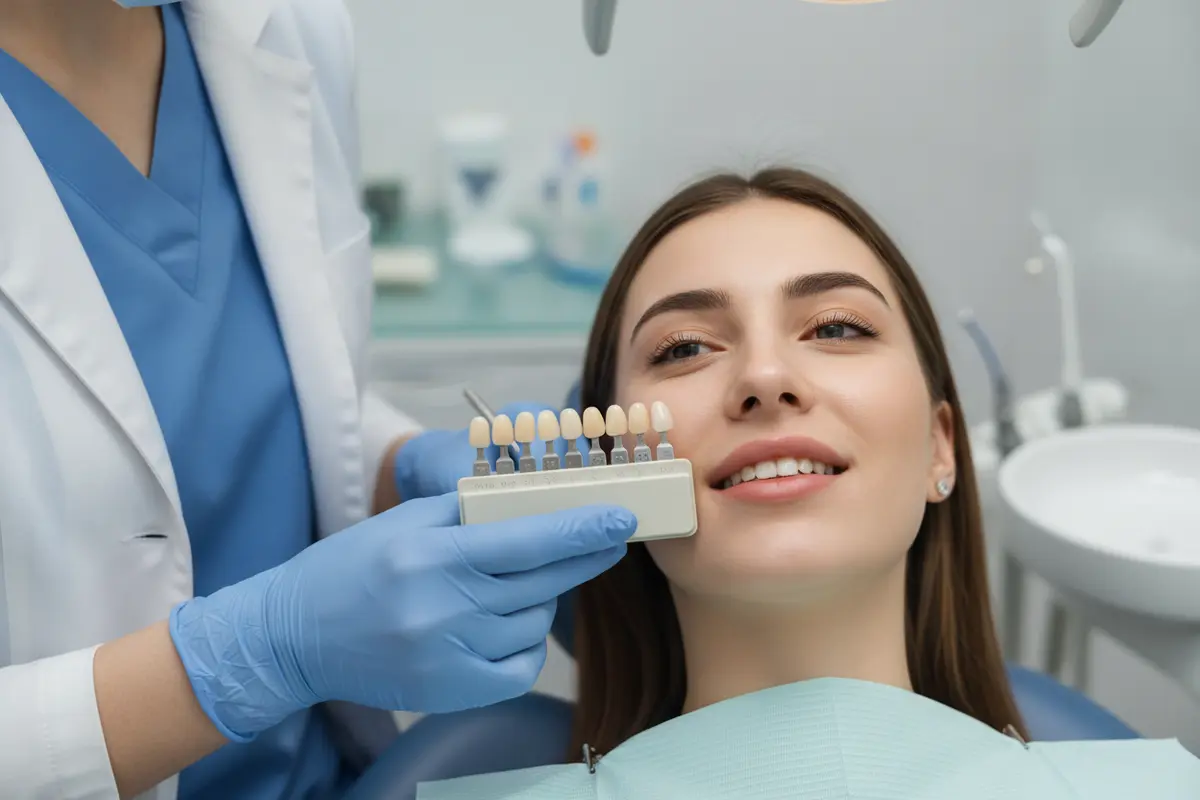
Ask the dentist to explain why a material fits your needs, its limitations, how it may be maintained, and what could require repair or replacement. An informed discussion includes uncertainties and tradeoffs, not just the features a patient may like most.
It may help to discuss appearance in concrete terms. Do you prefer a subtle change that blends with untreated teeth, or are you hoping for a more noticeable shift? Are there particular edges or contours you want to keep? Such questions guide shade and shape conversations without assuming that a single template fits everyone. If a proposed design affects multiple teeth, ask how the team will consider the entire smile rather than selecting each restoration in isolation.
Planning should include what happens after a restoration is placed. Ask how to clean around it, what routine dental care is recommended, and whether you will need a protective appliance or other follow-up. The answers depend on the treatment and your oral health. A restoration is not a substitute for daily home care or regular professional evaluation.
It is also useful to understand that dental materials can need maintenance or repair over time. Ask what signs should prompt you to call, what to do if a restoration feels rough or changes, and how the practice handles follow-up questions. If you clench or grind your teeth, mention it during the consultation because those forces may be relevant to planning and long-term care. Do not wait for a routine appointment if you experience new pain, swelling, or a restoration that has become loose; contact a dental professional for guidance.
Thinking ahead does not mean expecting a problem. It gives you a realistic picture of ongoing responsibilities and helps you compare options beyond their immediate appearance. A good plan should make clear both what the treatment is intended to change and how you can care for the result.
Before treatment, make sure you understand any home-care instructions, recommended review visits, and what to do if something feels different once you return to normal eating and speaking. Keep the instructions with your treatment information so you can refer to them later. If the plan includes more than one restoration, ask whether cleaning techniques or follow-up differ across the treated areas. Good aftercare is part of the treatment decision, not an afterthought.
Bring a short list of questions to an aesthetic consultation. Clear answers can help you compare options and decide whether the proposed plan matches your priorities.
If you are considering complex restorative care or want to understand the specialist's training, you can read about the doctors at Advanced Cosmetic and Implant Dentistry and the practice's approach to care.
It can also be useful to take notes during the visit, especially when several options are discussed. Write down the reason for each recommendation, what it would involve, and what the next decision would be. If something is unclear, ask for an explanation in everyday language. You should be able to describe the goal of a proposed treatment, its main limitations, and what alternatives you considered before deciding whether to proceed.
Ask a question about your aesthetic dentistry options
No. Aesthetic goals are part of the conversation, but diagnosis, tooth health, bite, comfort, and maintenance also matter. An assessment can help determine whether a visible concern has an underlying issue that should be addressed.
No. Veneers are one possible treatment, not a default solution. Depending on the concern, a dentist may discuss bonding, another restorative approach, orthodontic evaluation, or no treatment. The appropriate choice depends on an examination and your preferences.
Yes. “Natural-looking” does not require identical teeth or a single ideal shade. Planning can consider the patient's features and preferences while maintaining a healthy, functional result. Discuss what you like about your smile as well as what you want to change.
Ask the dentist to explain the proposed preparation for each option and whether it permanently changes tooth structure. The amount can depend on the condition and position of the teeth and the intended restoration, so a general description cannot replace an individualized plan.
Aesthetic dentistry works best as a thoughtful planning process: understand the cause of a concern, weigh appearance alongside function, and compare treatment options and materials before choosing. A consultation can help you get clear answers without assuming that one procedure is right for everyone.
Explore cosmetic dentistry options or contact the practice to discuss your goals.
Start a conversation about your smile
A personal evaluation is the right place to decide whether any treatment is appropriate for your smile.
Patients in Hartford, CT, can experience unmatched quality and value by choosing board-certified doctors Avinash Bidra and Xiao Chun Li.
We are affiliated with the following prestigious organizations: