
Understanding full fixed arch implant cost starts with understanding what a treatment estimate is meant to cover. A fixed full-arch restoration replaces a row of missing or failing teeth with a prosthesis attached to dental implants, but the work behind that result can differ from one patient to another. The diagnosis, surgery, temporary teeth, final prosthesis, laboratory steps, sedation, and follow-up may all affect the plan. Here is how to read an estimate and what to ask before comparing proposals.
Schedule a conversation about your treatment options
A full-arch estimate should describe the proposed treatment as a connected process, not just a price for placing implants. The clinician first needs to evaluate your oral health, remaining teeth, bone and anatomy, bite, medical history, and goals. The plan then outlines which teeth will be removed, how implants and prostheses fit together, and what care is expected during healing and afterward.
“Fixed” generally means the prosthesis is attached to the implants and is not designed for the patient to remove at home. It does not mean that every detail is identical across cases, or that the prosthesis will never need professional maintenance. Ask which components and visits are included in the estimate and which could be billed separately.
The phrase “full arch” may also describe different clinical plans. Some patients need treatment for one arch; others are considering both. The number and position of implants, whether teeth need extraction, and whether additional procedures are appropriate depend on the individual evaluation. Do not assume a price advertised for a particular package covers the same work as another practice’s estimate.
An estimate is most useful when it connects the proposed fee to a written treatment sequence. It should identify the arch being treated, the intended restoration, planned surgical steps, and the services the quoted amount includes. If a plan is still preliminary, ask which decisions remain open and what findings will resolve them. A clear distinction between confirmed treatment and possible additions makes it easier to compare options without treating an early estimate as a final commitment.
Estimates vary because the diagnosis and treatment sequence vary. A patient with teeth that can be maintained may need a different plan from someone who needs extractions. Bone anatomy, existing restorations, bite forces, health considerations, and the design of the final teeth can all influence planning. The estimate should connect these findings to the proposed treatment rather than simply list a single total.
There are also differences in what practices include in a quoted fee. One estimate might combine consultation, imaging, surgery, provisional teeth, final prosthesis, and follow-up. Another may itemize these steps, or exclude some services. This makes it important to compare written plans line by line and clarify whether a stated amount applies to one arch or more than one.
Research on the economics of dental implant treatment can help explain why costs are assessed in relation to treatment and outcomes, but it should not be mistaken for a price guide for full-arch care. For example, this cost-utility analysis of an implant-supported single crown studied a single-tooth restoration, not a full-arch prosthesis. It cannot establish what a particular patient’s full-arch treatment will cost.
Two people who are both considering a fixed set of teeth may not need the same care. One person may have teeth that require removal and other conditions that need attention before implant placement. Another may need a different sequence because of existing dental work or the condition of the supporting tissues. These are clinical questions, not simply choices between product tiers. The appropriate plan follows the examination and diagnostic records.
Scope matters, too. An estimate for one arch should not be compared as though it covered both upper and lower arches. Even for one arch, the proposed number and position of implants, extraction needs, and restorative design may differ. When reviewing two totals, first write down exactly which arch and procedures each plan covers. If the scopes do not match, ask the practices to explain the difference before drawing conclusions from the amounts.
Some written plans present a bundled fee for several stages; others separate consultation, imaging, surgery, provisional teeth, lab work, and follow-up. Either format can be understandable if it clearly identifies included services and potential extras. An itemized quote is not automatically more comprehensive, and a bundle is not automatically less transparent. Look for clarity about what happens if a step changes after examination or healing.
For example, one proposal might include scheduled adjustment visits for the temporary teeth while another may list those visits separately. A difference in totals could reflect that distinction rather than a difference in the implant surgery itself. Ask whether a fee covers a single appointment or a defined phase of care, and whether the estimate assumes a particular treatment sequence. Request a revised written estimate if the plan changes.
Planning may involve an examination, review of dental and medical history, diagnostic images, and assessment of how the proposed teeth will function and look. Ask whether the estimate includes the records needed to plan treatment and whether additional diagnostic work might be recommended after the first visit. At Advanced Cosmetic and Implant Dentistry, the practice’s capabilities include advanced imaging and digital treatment planning; the specific records used depend on the case.
A treatment plan should make its assumptions clear. Does it describe the condition of teeth that may be removed? Does it name the arch being treated? Does it explain the type of restoration being planned? You can ask for the diagnosis and proposed sequence in plain language, especially if another clinician has offered a different approach.
It can help to keep a copy of the written plan and note the date it was prepared. If you receive another opinion, compare diagnoses and recommended steps, not just the order of the line items. Ask the clinician to explain unfamiliar terms or abbreviations. You should be able to tell which decisions are based on current findings and which depend on what happens during treatment.
Surgery may include removing teeth, placing implants, or other steps that the clinician determines are needed. Some patients may need additional procedures; others may not. Because these decisions depend on examination and imaging, a general article or advertised package cannot confirm which procedures apply to you.
Ask how many implants the plan proposes for each arch, what surgical services are included, and whether the estimate accounts for any recommended additional procedure. If the clinician is still evaluating a possible need, ask how that uncertainty could affect the estimate and when the decision will be made. Review the practice’s dental implant treatment information as a starting point for questions, not as a substitute for a patient-specific plan.
It is reasonable to ask how surgery and restorative planning are coordinated. Which clinician or team members will be involved at each stage? What preparation or post-operative instructions should you expect? How will the practice communicate if the findings during a procedure differ from what was anticipated? The purpose is not to predict every event, but to know how decisions and possible changes will be explained.
When a provisional or temporary fixed prosthesis is part of the plan, its purpose, material, timing, and maintenance should be explained. It may allow the patient to have teeth during a healing phase while the team evaluates fit, appearance, speech, and bite before the definitive restoration is made. The exact timing and whether a temporary fixed prosthesis is appropriate depend on the clinical plan.
Clarify whether the temporary teeth are included, how adjustments are handled, and what instructions apply during healing. Ask what to do if the temporary prosthesis feels uncomfortable or is damaged. An estimate that simply says “temporary teeth” may not answer these practical questions. Find out whether there are limits on eating or cleaning, who to contact with a concern, and whether a repair or replacement under specified circumstances is included or separately assessed.
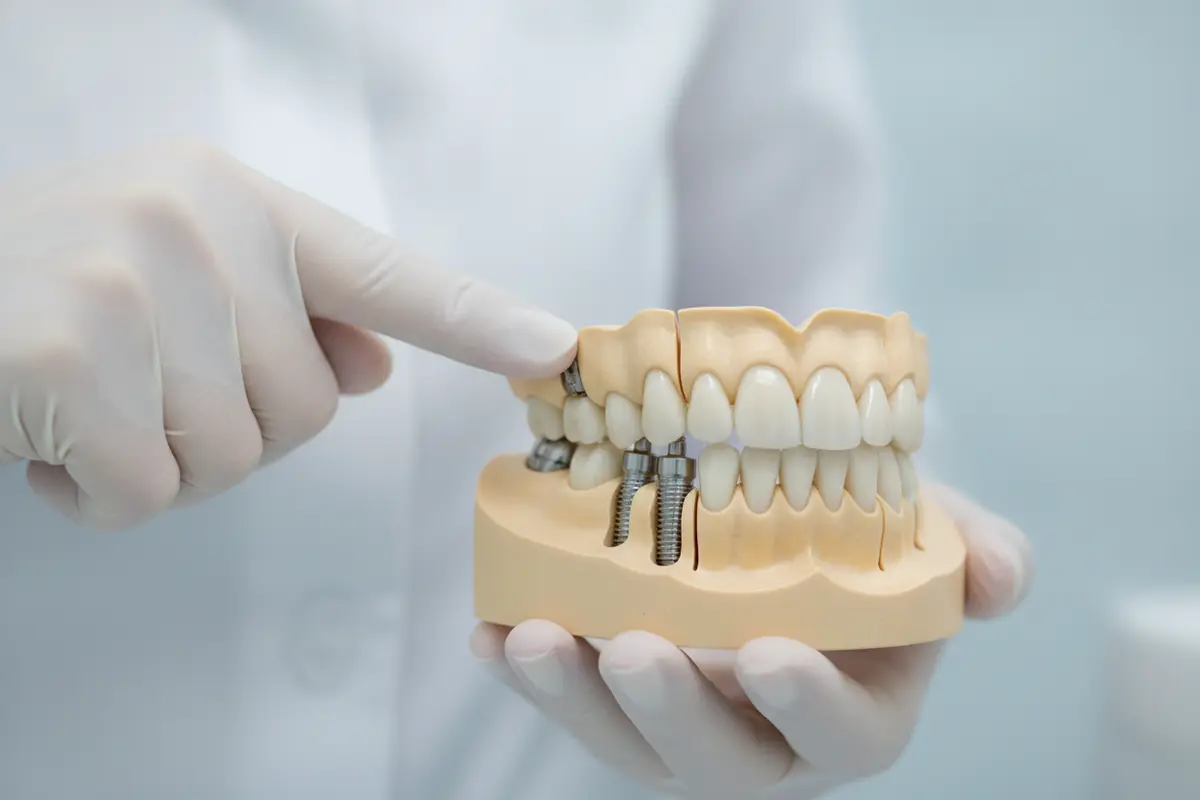
The final prosthesis is a major part of the plan. Ask what material is proposed, how the design will be determined, and whether the fee includes the laboratory work and appointments needed to make and fit it. Different materials and designs have different properties, and the right choice depends on factors such as the clinical situation, function, and the clinician’s recommendation.
Find out how the temporary and final prostheses relate to each other. Will the team assess the provisional teeth and make changes before the final design is completed? Which adjustments are included? If a practice has an in-house dental laboratory, ask what work is done there and how that fits into your case. Advanced Cosmetic and Implant Dentistry reports having an in-house laboratory, but the treatment plan should still identify the prosthetic steps specific to you.
Ask what patient input is gathered before the definitive teeth are made. For instance, clarify how the team will review appearance, comfort, speech, and bite during the process, and what happens if an adjustment is desired. The final prosthesis is not just a line item: its design and fitting involve communication between the clinical and laboratory steps. The plan should explain which try-ins, evaluations, or adjustments are expected and whether they are part of the stated fee.
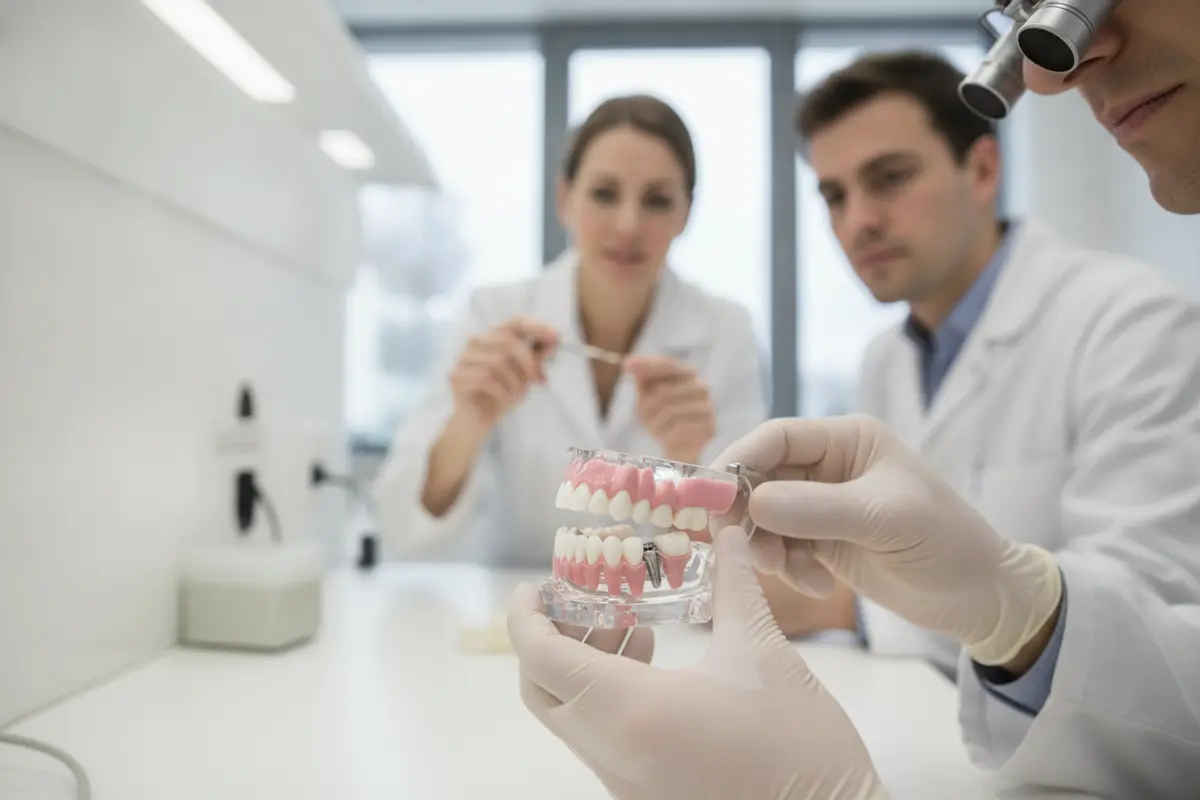
Sedation may be considered depending on the procedure, patient needs, and clinical recommendations. It may not be included in every estimate. Ask what options are available, whether an anesthesia professional or other services are involved, and what fees or preparation instructions apply. The practice provides information about IV sedation; discuss suitability and details directly with the treating team.
Also ask which post-operative visits, checks, adjustments, and maintenance appointments are included. A fixed implant prosthesis still needs ongoing care, including home cleaning and professional evaluation. Request instructions for daily cleaning and learn what signs should prompt you to contact the office. Do not assume that follow-up or future repairs are included unless the written estimate says so.
Separate the early recovery period from long-term maintenance when you ask about follow-up. The first visits may focus on healing and the temporary restoration; later visits may assess the completed prosthesis and ongoing oral health. Ask how often the practice recommends professional evaluation for your case, what cleaning tools or techniques the team recommends, and how to arrange care if you notice a change. The schedule and services should be individualized, rather than inferred from a generic estimate.
A full-arch treatment plan can include several phases, and the estimate may be organized by phase or presented as a combined amount. Understanding the order helps you see when services are expected and where a decision may still be pending. The sequence is not identical for every patient, but a written plan should show how its proposed stages connect.
Use this sequence to ask when payments are due, rather than assuming the full amount is due at once or that each phase is billed only after completion. The written financial arrangement should state payment timing, accepted methods, any financing terms, and how changes in treatment will be handled. If an estimate is revised, request a copy that clearly identifies the update and the reason for it. This keeps clinical decisions and payment expectations understandable as the case progresses.
Compare the proposed treatment and inclusions, not just the totals. A lower initial figure may omit a service that appears in another estimate, while a higher amount may include additional steps or a different prosthesis. Ask each practice to clarify the plan in writing. This simple comparison can help reveal whether the estimates describe equivalent treatment.
| Estimate area | What to look for | Question to ask |
|---|---|---|
| Diagnosis and records | Examination, imaging, and planning steps | Which diagnostic services are included, and could more be needed? |
| Surgery | Arch treated, extractions, implant placement, and any proposed additional procedures | What procedures are included, and what is still uncertain? |
| Temporary prosthesis | Whether temporary teeth are planned, with adjustments and timing explained | Is the provisional restoration included, and what adjustments are covered? |
| Final prosthesis and lab | Proposed design and material, laboratory work, fitting, and adjustments | What is the final restoration made of, and what steps are part of the fee? |
| Sedation and follow-up | Whether sedation, post-operative visits, and maintenance are included | Which visits or services could have separate fees? |
| Payment and financing | Payment timing, insurance documentation, and financing terms | What is due at each stage, and what amount is not included? |
Use the table as a question list, not a way to judge clinical quality from a price alone. Ask for an itemized or clearly explained estimate and confirm whether the figures are for one arch or both. If a possible procedure has not yet been ruled in or out, ask how the practice will update the estimate once your evaluation is complete.
A practical way to compare proposals is to make two columns and write down, for each one, the arch, planned surgery, temporary restoration, final material, lab and fitting steps, follow-up, sedation, and items not included. Mark any answer that is unclear instead of filling in the gap yourself. Then ask both offices the same questions. This reduces the chance that a service included in one total is mistakenly treated as an extra in the other.
For more detail about factors that affect fees, see the practice’s dental implant cost information. If you are reviewing payment approaches, its financing information can help you prepare questions about payment timing and available options. Financing terms and eligibility are subject to the provider’s requirements, so review the actual terms before making a decision.
If you plan to submit a claim, ask whether the office can provide the documents you need and whether any estimate is based on an expected reimbursement or on the fee for treatment. Do not treat a benefits estimate as a guarantee of payment. Coverage decisions are made under the terms of your plan. Ask your insurer how it processes the proposed services, whether it needs records, and when you can expect a determination. Keep the response with your treatment estimate so you can distinguish the practice’s fee from a possible reimbursement.
Financing can affect how a patient manages payments, but it does not change which care the clinician recommends. Before choosing an option, review the actual agreement, including payment schedule, interest or promotional terms if applicable, eligibility requirements, and what happens if the treatment plan changes. Ask whether there are fees not covered by the financing arrangement. Avoid comparing monthly payments alone: compare the total amount, terms, and services in the dental estimate as well.
A consultation is a chance to understand the reasoning behind the plan. Bring your questions and any relevant dental records you already have. If you have received another estimate, ask how the diagnoses and recommended steps compare. You do not need to choose a plan before you understand its scope.
Ask for a written treatment plan that distinguishes confirmed services from possible additions. If two plans differ, ask the clinicians to explain the clinical reasoning rather than assuming that the less expensive or more extensive option is automatically right. A second opinion can also help you understand a complex recommendation.
For a focused discussion, bring a copy of each estimate and ask the clinician to walk through the sequence in plain language. You might say, “I see a provisional prosthesis on one estimate but not the other. Is it planned in both cases, and how are adjustments handled?” Or, “This total covers one arch, correct?” Specific questions are easier to answer than a broad request to explain why one quote is higher. Write down the answers and ask for any important clarification in writing.
Patients considering a broader restorative plan may want to learn about full-mouth reconstruction as well. The appropriate scope depends on individual needs, and a full-mouth plan is not the same as every full-arch implant plan.
Explore full-arch implant treatment options
Contact the practice to discuss your treatment questions
It depends on the estimate. Ask whether it includes both a temporary prosthesis, if planned, and the definitive prosthesis, plus laboratory work, fitting, and adjustments. Have the office identify any components or appointments that are separate.
Confirm this directly. A plan for one arch is not equivalent to a plan for upper and lower arches. The estimate should name the arch or arches included and describe the services covered for each.
A general estimate cannot account for your diagnosis, anatomy, existing teeth, or treatment sequence. A clinician needs to evaluate your situation before providing a patient-specific plan. You can still ask for an explanation of the possible cost components and what information is needed to finalize an estimate.
Not necessarily. The estimate should state whether sedation, post-operative checks, adjustments, and ongoing maintenance are included or billed separately. Ask about both the initial treatment period and care after the final prosthesis is placed.
A useful estimate explains the diagnosis, proposed treatment, prostheses, laboratory steps, and follow-up in a way you can compare and discuss. If you are considering fixed full-arch teeth, bring your questions to a consultation and ask for a written plan that reflects your individual needs.
Contact the practice to discuss a full-arch evaluation
Clear information about what is included can help you make a more informed decision about treatment and payment.
Patients in Hartford, CT, can experience unmatched quality and value by choosing board-certified doctors Avinash Bidra and Xiao Chun Li.
We are affiliated with the following prestigious organizations: