The phrase surgical dental implants can sound pretty intimidating. It’s easy to let your mind run wild with thoughts of a long, painful, and complicated process. But what if I told you it’s a highly predictable, well-established procedure that our specialists perform with precision and care every single day? The first step to feeling confident about any health decision is understanding it. That’s why we’ve created this comprehensive guide. We’ll break down the entire journey into clear, manageable steps, from your initial consultation and 3D imaging to the day you walk out with your final, beautiful tooth. Our goal is to replace your anxiety with knowledge, so you can see the path to a new smile clearly.
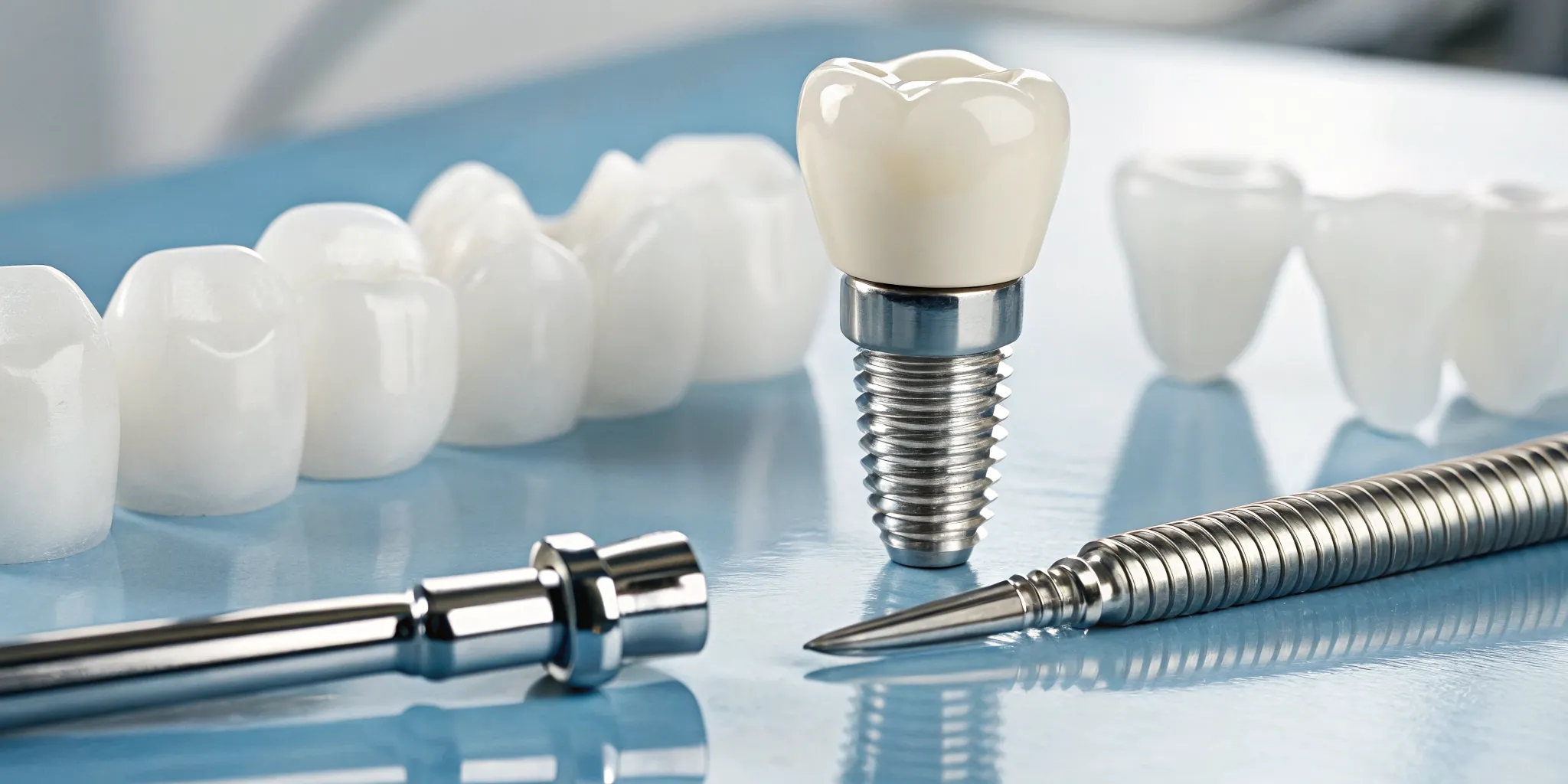
If you’re dealing with a missing tooth, you’ve likely heard about dental implants. But what are they, exactly? Think of a surgical dental implant as a replacement tooth root, designed to create a strong foundation for a new tooth. They are small, threaded posts, typically made of biocompatible titanium, that are surgically placed into your jawbone. Once healed, they function just like a natural root, providing a stable base for a crown, bridge, or even a full set of new teeth.
Unlike other tooth replacement options, dental implants are a permanent solution designed to look, feel, and function just like your own teeth. Because the implant fuses directly with your bone, it becomes a durable and integrated part of your smile. This unique quality helps preserve your facial structure and prevents the bone loss that often happens when a tooth is lost. With the right care, a dental implant is a long-term investment in your health and confidence, allowing you to eat, speak, and smile without a second thought.
It’s helpful to understand that a complete dental implant is made of three distinct parts working together to create your new tooth.
The real magic of a dental implant happens during the healing process. After the titanium post is placed, your body begins a natural process where the jawbone grows around and bonds directly to the implant surface. This fusion, known as osseointegration, is what makes implants so incredibly strong and stable. It essentially turns the implant into a part of your own body. This process typically takes between three and six months, creating a rock-solid foundation that can withstand the forces of chewing just like a natural tooth root.
When replacing missing teeth, you have options. However, dental implants offer unique advantages over traditional bridges and dentures. Unlike dentures, implants are a non-removable solution that stays in your mouth. You won't have to worry about them slipping or needing special adhesives. A dental bridge, on the other hand, requires grinding down the healthy teeth on either side of a gap to act as anchors. Implants are self-supporting and don't impact your other teeth. This makes them a key part of a healthy full-mouth reconstruction and helps you avoid the complications that can come with other treatments.
The idea of a dental implant procedure can feel intimidating, but it’s a highly predictable and well-established process. At our practice, we combine years of expertise with the latest technology to make your experience as comfortable and straightforward as possible. Think of it as a journey in several stages, each one carefully planned to rebuild your smile from the foundation up. From your first conversation with us to the day you walk out with your final tooth, we’ll be with you every step of the way. We believe that understanding the process is the first step toward feeling confident in your decision. That's why we've broken it down into a clear, step-by-step guide. You'll see how every phase, from initial imaging to final placement, is handled with precision and care right here in our Glastonbury office. Our entire team, from our board-certified specialists to our friendly support staff, is dedicated to ensuring your treatment is a success and your results are life-changing. Here’s a look at what you can expect on your path to a renewed smile.
Your journey begins with a comprehensive consultation. This is where we get to know you, listen to your goals, and gather all the information we need. We’ll perform a thorough physical exam of your mouth and use advanced 3D CT scanning technology to get a detailed picture of your jawbone, nerves, and surrounding structures. This isn't your standard dental X-ray; this powerful imaging allows us to assess your bone density and map out the procedure with incredible precision before we even begin. It’s the first and most critical step in planning your successful cosmetic dentistry outcome.
With the detailed 3D images from your scan, we create a custom treatment plan tailored just for you. Using advanced digital software, we can virtually place the implant to determine the ideal position, angle, and depth. This digital planning is key to ensuring a conservative and accurate procedure. It helps us avoid surprises and ensures your new tooth will not only look great but also function perfectly with your bite. For patients needing more extensive work, this careful planning is essential for a successful full-mouth reconstruction. This meticulous approach is how we deliver predictable, lasting results.
During your consultation, we might find that your jawbone isn't dense or thick enough to support an implant securely. This is quite common, especially if you've had a missing tooth for a while. If that’s the case, we may recommend a bone graft. This is a straightforward procedure where we add bone material to your jaw to build it back up. The graft needs time to integrate and create a strong foundation, which typically takes a few months. While it adds a step to the timeline, a bone graft is often the key to ensuring the long-term success and stability of your implant.
Once your jaw is ready, it’s time to place the implant. This procedure is performed by one of our board-certified specialists right here in our office. We’ll make sure you are completely comfortable, using local anesthesia and offering sedation options for anxious patients. The specialist will place the small, titanium post, which acts as a new tooth root, into your jawbone. The precision we established during the digital planning phase allows for a minimally invasive and efficient procedure. This post is the foundation upon which your new smile will be built, making high-quality dental implants a truly permanent solution.
After the implant is placed, your body begins a remarkable process called osseointegration. This is where your jawbone naturally grows around and fuses with the titanium post, making it a permanent and stable part of your jaw. This healing phase is crucial and typically takes between three and six months. Once the implant has fully integrated, we’ll schedule a simple follow-up appointment to attach the abutment. The abutment is a small connector piece that sits on top of the implant and will hold your final crown in place.
This is the final step: receiving your beautiful new tooth. After your implant and abutment are ready, we take a digital impression of your mouth to create a custom crown that perfectly matches the color, shape, and size of your natural teeth. Once your permanent crown is fabricated in our in-house lab, we will secure it to the abutment, completing your smile. For patients receiving a full arch of teeth, we also offer All-on-4 dental implants, an innovative solution that can often provide you with a full set of new, functional teeth on the very same day as your implant procedure.
Deciding on a solution for missing teeth is a major step, and it’s about more than just filling a gap in your smile. It’s about restoring your confidence, function, and long-term oral health. While options like bridges and dentures have their place, dental implants offer a unique set of benefits that make them the gold standard for tooth replacement. They are designed to integrate with your body, providing a stable and permanent foundation that looks, feels, and functions just like your natural teeth. From preserving your facial structure to giving you the freedom to eat your favorite foods without worry, implants are a true investment in your quality of life.
One of the biggest advantages of dental implants is how seamlessly they blend in with your smile. Because the implant post is a small, screw-like anchor placed in your jawbone, it acts as a replacement for your natural tooth root. This creates an incredibly strong base for the final crown or bridge. Once the implant has fully healed and integrated with your bone, it functions just like a natural tooth. You can chew, speak, and smile with complete confidence, knowing your tooth is secure. The result is a restoration so lifelike that you and others may forget it’s not your original tooth. Our smile gallery showcases just how natural and transformative the results can be.
When you lose a tooth, the underlying jawbone loses the stimulation it needs to stay strong and dense. Over time, this can cause the bone to shrink, which can alter your facial structure and affect neighboring teeth. Dental implants are the only tooth replacement option that actively prevents this bone loss. The implant post mimics a natural tooth root, stimulating the jawbone every time you chew. This process, called osseointegration, helps maintain your bone’s integrity and volume for years to come. By choosing dental implants, you are not just restoring a tooth; you are protecting your long-term facial aesthetics and oral health.
If you’re looking for a permanent fix, dental implants are an excellent choice. With proper care, including regular brushing, flossing, and dental check-ups, the implant post itself can last a lifetime. The custom-made crown attached to it is also incredibly durable, though it may need to be replaced after about 15 years due to normal wear and tear. When you compare this to other options that often require more frequent adjustments or replacements, the long-term value becomes clear. Investing in a full-mouth reconstruction with implants means investing in a predictable, lasting, and worry-free smile for decades.
At our practice, we use advanced technology to ensure your dental implant procedure is precise, predictable, and comfortable. It all starts with 3D imaging, which gives us a detailed map of your jawbone, nerves, and surrounding structures. This allows us to digitally plan the exact placement of your implant for optimal stability and safety. This image-guided approach streamlines the entire process, from planning to surgery, and helps us achieve the best possible outcome. Procedures like All-on-4 dental implants rely on this meticulous planning to provide patients with a full set of new teeth in just one day, ensuring a perfect fit and immediate function.
Deciding to get dental implants is a significant step toward restoring your smile and confidence. While they are a fantastic solution for many people, they aren’t the right fit for everyone. The best way to know for sure is to have a conversation with a specialist who can assess your unique situation. However, understanding the general qualifications, potential risks, and common misconceptions can help you feel more prepared for that discussion. This section will walk you through the key factors to consider as you explore whether dental implants are the best choice for your health and your smile.
As a practice that specializes in complex cases and correcting failed treatments from other offices, we believe in giving you a clear, honest picture from the very beginning. Our goal is to find the perfect, lasting solution for you.
Every surgical procedure comes with potential risks, but it’s helpful to know that dental implant surgery has a very high success rate, especially when performed by a board-certified specialist. After the procedure, it’s normal to experience some minor bleeding and swelling for a few days. Serious complications are rare, but they can include infection, slow healing, nerve damage, or issues with nearby teeth.
The most critical factor for success is having a skilled and experienced team. At a dedicated implant center like ours, we use advanced 3D imaging to meticulously plan your surgery, which helps us avoid potential problems and ensure the best possible outcome for your new smile.
You might be surprised to learn that age itself isn't a major barrier to getting dental implants. The main requirement is that your jawbone has finished growing, which usually happens around age 18. Beyond that, there is no upper age limit. We have helped patients in their 80s and 90s successfully restore their smiles with solutions like All-on-4 dental implants.
The ideal candidate is someone in good general health with enough healthy jawbone to support the implant. If you've been missing teeth for a while, you may have experienced some bone loss, but don't let that discourage you. We can often address this with a bone graft to create a solid foundation for your implant.
Certain habits and health conditions can interfere with the implant process. For example, smoking and vaping can significantly slow down healing and increase the risk of implant failure. If you have untreated gum disease, active tooth decay, or a history of poor oral hygiene, we would need to address those issues first to ensure your mouth is healthy enough for surgery.
Some health conditions, like uncontrolled diabetes, bone disorders, or certain autoimmune diseases, may also affect your eligibility. The key is a thorough evaluation. A comprehensive treatment plan, like a full-mouth reconstruction, can often resolve these underlying problems and pave the way for successful implants.
There’s a lot of misinformation out there about dental implants, so let’s clear up a few common myths. First, many people worry the procedure will be extremely painful. The truth is, with modern techniques and sedation options, most patients report feeling very little discomfort. Second is the fear that implants will look fake. Our implants are custom-designed to match your natural teeth in shape, size, and color, ensuring a seamless blend with your smile. You can see the natural-looking results for yourself in our smile gallery.
Finally, there's the myth that insurance won't cover any of the cost. While coverage varies, many dental plans do offer partial coverage for implants. Our team is here to help you understand your benefits and explore all available financing options.
Getting a dental implant is an exciting step toward a healthier, more confident smile. The recovery process is just as important as the procedure itself, and knowing what to expect can help you feel prepared and at ease. Your healing journey happens in stages, from the first few days of rest to the months-long process where the implant becomes a permanent part of your jaw. While it requires some patience, the result is a stable, natural-looking tooth that can last a lifetime.
Our team at ACAID will be with you every step of the way, providing detailed instructions and support tailored specifically to you. We manage every phase of your treatment in-house, which means the same specialists who place your implant will also oversee your healing. Following our guidance is the single best thing you can do to ensure a smooth recovery and the long-term success of your dental implants. Think of this time not as a waiting period, but as the foundation for your brand-new smile.
Right after your procedure, your main job is to rest and let your body begin to heal. It’s completely normal to experience some mild swelling, bruising, and discomfort in the first 24 to 48 hours. We’ll provide specific instructions on how to manage this, which typically involves over-the-counter pain medicine.
To help things go smoothly, stick to a diet of soft foods like yogurt, smoothies, and soup. Avoid anything hot, spicy, or crunchy that could irritate the area. Getting plenty of rest is also key. Propping your head up with an extra pillow can help reduce swelling while you sleep. This initial phase is temporary, and most people feel much better within just a few days.
You’ll likely be surprised by how quickly you start to feel back to normal. The initial healing of the gum tissue usually takes about one week. After that, most people can comfortably return to their regular diet and daily activities. We’ll schedule a follow-up visit during this time to check on your progress and make sure the implant site is healing properly.
This appointment is a great opportunity to ask any questions you might have. While you’re feeling better on the surface, an important process called osseointegration is just beginning beneath the gums. This is when your jawbone starts to fuse with the implant, creating a strong and stable foundation for your new tooth.
Once your implant has fully healed and your final crown is in place, caring for it is straightforward. You should treat your implant just like you would a natural tooth. This means brushing twice a day, flossing daily, and maintaining your regular dental check-ups and cleanings. Excellent oral hygiene is the key to preventing issues and ensuring the long-term health of the surrounding gums and bone.
With the right care, your dental implant can last a lifetime. It’s a durable, reliable solution for tooth replacement, but its success depends on your commitment to daily maintenance. Think of it as protecting your investment in a beautiful and functional smile makeover.
The full healing process for a dental implant is a marathon, not a sprint. The most critical phase is osseointegration, the natural process where your jawbone grows around and bonds with the implant post. This creates the incredibly strong anchor that makes implants so successful. This fusion typically takes between three and six months, though it can sometimes take longer depending on your individual healing capacity.
During this time, you will have a temporary restoration and won't feel any discomfort from the fusion process. Once we confirm that the implant is completely stable and fused with your jaw, we can move on to the final step: creating and attaching your beautiful, custom-made crown. This completes your full-mouth reconstruction and gives you a permanent, confident smile.
Let’s talk about one of the most common questions we hear: “How much do dental implants cost?” It’s a practical and important question, and the answer depends entirely on your unique situation. Think of it not as a simple price tag but as a long-term investment in your health, function, and confidence. The total cost can vary based on factors like the number of teeth being replaced, the materials used, and the complexity of your procedure. A single implant will have a different cost than a full-mouth reconstruction, for example.
Because we are a non-corporate, family-owned practice, we prioritize transparency. During your consultation, we’ll give you a clear, detailed breakdown of the entire process with no hidden fees. Our focus is on using premium, durable materials and the expertise of our board-certified specialists to give you a result that not only looks incredible but also lasts for decades. While online estimates can give you a general idea, a personalized treatment plan is the only way to know the true cost for your specific needs.
When you receive a quote for a dental implant, you’re seeing the cost of a multi-step, highly specialized process. The price typically covers three main components: the titanium implant post that acts as the new root, the abutment that connects the post to your new tooth, and the custom-crafted crown that is the visible part of the tooth. Each of these elements is essential for a successful and natural-looking result.
Beyond the physical parts, your investment also includes the surgical procedure itself, performed by a specialist. It covers the advanced 3D imaging and planning that ensures precision, any necessary sedation to keep you comfortable, and all your follow-up appointments. At our practice, it also means you’re paying for world-class expertise and premium materials designed for longevity and biocompatibility.
There’s a common myth that dental insurance never covers implants, but that’s not always the case. While it’s true that some plans don’t cover the full amount, many policies offer partial coverage for certain parts of the procedure. For instance, your plan might contribute to the cost of the final crown or cover a portion of the surgical placement. Coverage varies significantly from one provider to another, so the best first step is to review your specific benefits.
Our team is here to help you make sense of your policy. We can review your plan and submit the necessary paperwork to help you get the most from your benefits. We believe that financial questions shouldn’t stand in the way of your health, so we work with you to clarify your coverage.
Making a significant investment in your smile should feel manageable. That’s why many dental practices, including ours, help patients find flexible payment solutions. One popular route is working with third-party financing companies that specialize in healthcare. These lenders often provide interest-free plans for a set period, allowing you to spread the cost over several months or years without extra fees.
You can also consider options like a personal loan from your bank or a healthcare credit card. During your consultation, we can discuss all the available financing paths and help you find one that fits comfortably within your budget. Our goal is to make the process straightforward so you can focus on the excitement of getting your new smile.
While the initial cost of dental implants may be higher than other options like bridges or dentures, they are a powerful investment in your long-term health. Implants are the only tooth replacement solution that preserves and stimulates your jawbone, preventing the bone loss that naturally occurs when a tooth is missing. This helps maintain your facial structure and keeps your surrounding teeth stable.
Unlike other restorations that may need to be replaced every 5 to 15 years, dental implants are designed to be a permanent part of your smile. With proper care, they can last a lifetime. This durability not only saves you money over time but also gives you the freedom to eat, speak, and smile with complete confidence, making them an invaluable addition to your overall quality of life.
How long does the entire dental implant process take? The timeline for getting a dental implant can vary quite a bit from person to person. If your jawbone is healthy and you don't need any preliminary work, the process from implant placement to getting your final crown can take about three to six months. This allows for the crucial healing period where the implant fuses with your bone. If you need a bone graft to build up your jaw first, you'll need to add a few extra months for that to heal before the implant can be placed.
Is getting a dental implant painful? This is probably the most common concern I hear, and it’s completely understandable. The good news is that the procedure itself is not painful. We use local anesthesia to completely numb the area, and we also offer sedation options to help you feel relaxed and comfortable. Afterward, it’s normal to have some mild soreness and swelling for a few days, but most people find it’s easily managed with over-the-counter pain relievers and is less uncomfortable than a tooth extraction.
What happens if I don't have enough bone for an implant? It's very common for the jawbone to shrink after a tooth has been missing for a while, so please don't feel discouraged if you're in this situation. If we determine you don't have enough bone to securely support an implant, we can often perform a bone graft. This is a straightforward procedure where we add bone material to your jaw to build it back up. It creates the strong, stable foundation needed for a successful and long-lasting implant.
How do I care for my dental implant after it's finished? This is the best part: you care for your implant just like you would your natural teeth. There are no special adhesives or cleaning solutions required. Your daily routine should include brushing twice a day, flossing once a day, and keeping up with your regular professional cleanings and check-ups. Good oral hygiene is the key to keeping the gums and bone around your implant healthy for a lifetime.
Why should I get an implant instead of a less expensive bridge? While a bridge can fill a gap, it requires grinding down the healthy teeth on either side to act as anchors. A dental implant is a standalone solution that doesn't affect your other teeth at all. More importantly, an implant is the only option that acts like a natural tooth root, stimulating your jawbone to prevent it from shrinking. This preserves your facial structure and protects your overall oral health in a way no other replacement can.
Patients in Hartford, CT, can experience unmatched quality and value by choosing board-certified doctors Avinash Bidra and Xiao Chun Li.
We are affiliated with the following prestigious organizations: