When you see the stunning before-and-after photos in a smile gallery, it’s easy to think implant-supported dentures are a perfect, flawless solution. In many ways, they are a life-changing advancement in dentistry that restores function and confidence in a way traditional dentures simply can't. However, no medical procedure is without its trade-offs. Being honest about the entire process is key to building trust and ensuring you have realistic expectations. That’s why we believe it’s so important to openly discuss the question: what are the disadvantages of implant-supported dentures? From the surgical risks to the long-term maintenance, let's walk through the considerations you need to know before you begin your journey.
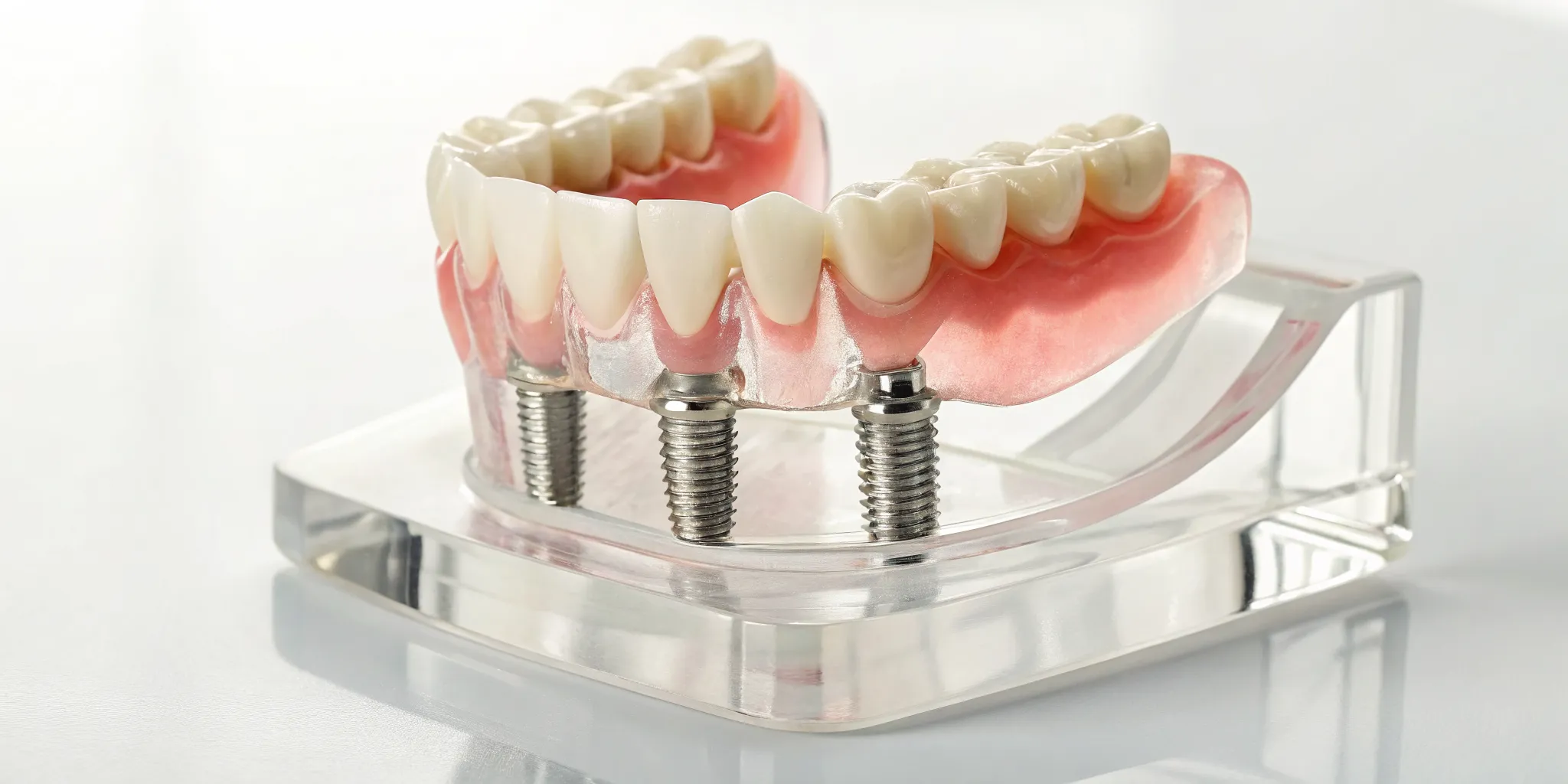
If you're tired of the daily challenges that come with missing teeth or traditional dentures, implant-supported dentures offer a stable and reliable alternative. Think of them as a hybrid solution that combines the full-arch coverage of a denture with the security of dental implants. Instead of resting on your gums and relying on suction or messy adhesives, these dentures are anchored directly to your jawbone.
The process involves surgically placing a few small, titanium posts (the implants) into your jaw. Over time, your bone fuses with these posts, creating an incredibly strong foundation. Your custom-made denture then snaps or is securely attached to these implants. The result is a set of teeth that feels remarkably natural and stays put when you eat, speak, and smile. This stability not only restores your confidence but also improves your ability to chew a wider variety of foods, contributing to better overall health. It’s a modern approach designed to give you a permanent and comfortable solution to extensive tooth loss.
The biggest difference between traditional and implant-supported dentures comes down to one word: stability. Traditional dentures sit directly on your gums, which can lead to shifting, slipping, and uncomfortable sore spots. They often require adhesives to stay in place, and many people find they limit their diet. In contrast, implant-supported dentures are anchored to your jaw. This connection prevents any movement, giving you the freedom to eat and speak without worry.
Because they are fixed to the jawbone, solutions like All-on-4 dental implants also help stimulate and preserve your bone structure. Traditional dentures don't provide this stimulation, which can lead to bone loss and changes in your facial appearance over time. With an implant-supported option, you get a more secure fit and long-term support for your facial structure.
Implant-supported dentures are an excellent option for individuals who are missing all or most of their teeth in either the upper or lower arch. This treatment is especially beneficial for those who are frustrated with the instability and discomfort of conventional dentures. The ideal candidate has enough healthy jawbone to securely hold the dental implants.
However, having low bone density doesn't automatically disqualify you. In many cases, a bone graft can be performed to build up the jaw and create a solid foundation for the implants. The best way to know if this is the right path for your full-mouth reconstruction is to schedule a consultation. A specialist can evaluate your oral health, bone structure, and overall goals to create a personalized treatment plan.
Thinking about the cost of any major dental procedure is completely normal. When it comes to implant-supported dentures, the price tag can seem daunting at first glance. It’s a significant investment, but it’s also an investment in your long-term health, confidence, and quality of life. Unlike traditional dentures that often need replacing, this solution is designed to last for decades, making it a valuable choice for your future.
The final cost isn't a simple, one-size-fits-all number. It’s a personalized figure that depends entirely on your unique situation. Let’s walk through the different factors that contribute to the overall price, so you can have a clearer picture of what to expect and feel confident in your decision.
The total cost of your treatment is tailored to your specific needs. One of the biggest factors is the number of dental implants required to support your new teeth. A full-arch restoration, like the All-on-4® treatment concept, will naturally have a different cost than a smaller partial denture. Your current oral health also plays a crucial role. If you need preliminary work, such as tooth extractions or a bone graft to strengthen your jaw, this will be factored into your treatment plan. Finally, the quality of the materials used for your final restoration affects the price. At our practice, we use only premium, durable materials to ensure your new smile is both beautiful and built to last.
Navigating dental insurance can be tricky, and coverage for implant procedures varies widely. While some plans are beginning to recognize the long-term benefits of dental implants, many still categorize them as a cosmetic or elective treatment, offering limited or no coverage. Your plan might cover certain parts of the process, like extractions or a portion of the denture itself, but not the surgical placement of the implants. It’s helpful to view this treatment as a long-term investment. While the initial cost is higher than traditional dentures, the value is unmatched. You avoid the recurring costs of adhesives, relining, and frequent replacements. Our team is here to help you understand your benefits and will work with you to maximize any available coverage.
We believe in complete transparency, which means discussing all potential costs upfront. What some might call "hidden costs" are usually necessary preparatory procedures that aren't included in the base price of the implants themselves. For example, if your jawbone has lost density, you may need a bone graft before implants can be placed securely. These procedures are essential for the success of your treatment but are billed separately. The good news is that once your implant-supported dentures are in place, the ongoing costs are minimal. Unlike traditional dentures that can require frequent adjustments, a well-made implant restoration is incredibly stable. Your primary ongoing expenses will be routine cleanings and check-ups, which are essential for any full-mouth reconstruction.
Let’s be direct: any surgery, no matter how routine, comes with potential risks. The same is true for placing the dental implants that support your new teeth. Understanding these risks is a key part of making an informed and confident decision about your health. The good news is that in the hands of a board-certified specialist using advanced technology, these risks are significantly minimized. The goal is always a smooth procedure and a predictable, successful outcome.
Choosing a provider isn't just about the final smile; it's about trusting the hands that get you there. An experienced team plans every detail meticulously, from 3D imaging to the final placement, to foresee and avoid potential issues. This level of expertise is your best defense against complications, ensuring your journey to a new smile is as safe as it is transformative.
An infection at the implant site is one of the most discussed risks, but it's also highly preventable. It can occur if bacteria enter the area during or after surgery. Following your surgeon's post-operative care instructions to the letter is your most important job here. This includes proper cleaning, taking prescribed medications, and attending all follow-up appointments. A more serious, though less common, infection called peri-implantitis can develop over time, which is why long-term hygiene and professional cleanings are so important for the health of your implants.
Your jaw has nerves that provide feeling to your lips, chin, and tongue. Because implants are placed directly into the jawbone, there is a very small risk of irritating or damaging a nearby nerve. This could cause temporary or, in rare cases, permanent numbness or tingling. However, this risk is dramatically lowered with precise planning. Using advanced 3D CBCT scans, your surgeon can map the exact location of your nerves and plan the implant placement to avoid them completely, making this a very rare complication in an expert's hands.
If you are receiving implants in your upper jaw, your sinuses are a key consideration. The floor of your maxillary sinus is located right above your top back teeth. If there isn't enough natural bone to place the implant securely, it could potentially puncture the sinus membrane. A skilled specialist will identify this possibility during your initial scan and may recommend a sinus lift procedure to add bone height. This proactive step ensures the implant has a solid foundation and prevents any sinus-related issues down the road.
Implant failure is rare, with success rates typically well over 95%. Failure usually means the implant does not properly fuse with the jawbone, a process called osseointegration. This can happen for several reasons, including infection, uncontrolled health conditions like diabetes, or smoking. If an implant does fail, it is not the end of the road. An experienced specialist can remove the implant, clean the area, and often place a new one after the site has healed, sometimes with a bone graft to strengthen the area. This is where seeing a specialist in full-mouth reconstruction becomes critical, as they have the expertise to manage complex cases and get your treatment back on track.
One of the most common questions we hear is about the timeline. It’s important to know that getting implant-supported dentures is a process, not a single appointment. The complete journey can take anywhere from three to eight months, and this timeframe is actually a good thing. It’s designed around a natural biological process called osseointegration, where your jawbone securely fuses with the titanium implants. This crucial healing period is what makes your new smile so strong and stable for the long run.
Think of it as building a solid foundation for a house; you can’t rush it. While it requires patience, the result is a permanent, comfortable, and confident smile. At our practice, we manage every step of your treatment in-house, so you’ll always be working with a familiar team that understands your specific needs and goals. We map out your entire timeline from the very beginning, ensuring you know exactly what to expect at each stage of your full-mouth reconstruction.
Your journey starts with a comprehensive consultation. This first meeting is all about you: your health, your concerns, and your vision for your smile. We use advanced 3D imaging to get a detailed look at your jawbone, which allows us to create a precise and predictable treatment plan. This isn't a one-size-fits-all approach. We design a personalized roadmap that outlines each step, from implant placement to the day you receive your final, beautiful dentures. This detailed planning ensures there are no surprises and gives you a clear, reliable timeline for your transformation.
After your implants are placed, your body needs time to work its magic. The implants require about three to six months to fully fuse with your jawbone. This healing phase is the most critical part of the process because it creates the unshakeable foundation for your new teeth. You won’t have to go without a smile during this period, though. We’ll fit you with a comfortable and functional temporary denture so you can continue to eat and speak with confidence while your implants integrate. This waiting period is a small investment for a lifetime of stability.
For implants to be successful, they need a certain amount of healthy jawbone to anchor into. If you’ve been missing teeth for a while, you may have experienced some bone loss. If our initial scans show that your bone isn't dense enough, we may recommend a preparatory procedure like a bone graft. This step adds extra time to the overall process, but it’s essential for ensuring your dental implants have the strong support they need to last. As a center specializing in complex cases, we identify these needs early and incorporate them into your plan for the best possible outcome.
When you hear the word “maintenance,” you might picture something complicated or time-consuming. The good news is that caring for implant-supported dentures isn't difficult, but it does require consistency. Think of it less as "high maintenance" and more as a dedicated daily routine to protect your new smile. This routine is a small trade-off for the stability and confidence that implant dentures provide, especially when compared to the daily hassles of traditional adhesives and slipping.
Your new care habits will quickly become second nature. The goal is to keep your gums and the underlying implants healthy for the long haul. While the implants themselves are made of durable titanium, the health of the surrounding tissue is what ensures their stability. A great care plan involves three key parts: your daily cleaning at home, regular visits with your dental team, and a long-term plan for the prosthetic itself. Following these steps is the best way to get the most out of your investment in a beautiful, functional smile.
Your daily cleaning routine will feel familiar, like caring for natural teeth, but with a special focus on the implant sites. You’ll need to clean around the posts where your denture attaches to the implants. This prevents plaque and bacteria from building up, which is crucial for avoiding gum inflammation. We recommend using a soft-bristled toothbrush and a water flosser or interdental brushes to gently clean these areas without causing irritation.
Proper daily cleaning will help your implant-supported dentures stay healthy and functional for years. Just like with natural teeth, it’s also wise to avoid chewing on extremely hard or sticky foods that could put unnecessary stress on your new prosthetic. We will walk you through the exact steps and recommend the best tools for your specific situation.
Even with the best home care, regular professional check-ups are essential. These appointments are more than just a standard cleaning; they are a critical part of ensuring the long-term success of your All-on-4 dental implants. During these visits, our team will carefully examine the health of your gums and the bone supporting the implants. We will also check the stability of the implants and the fit of your denture, making any small adjustments needed to maintain comfort and function.
These visits allow us to perform a professional cleaning that can access areas you might miss at home. Think of these appointments as proactive maintenance. By catching and addressing any potential issues early, we can help you avoid more significant problems down the road and ensure your smile remains secure and beautiful for years to come.
Implant-supported dentures are a two-part system: the titanium implants in your jaw and the prosthetic teeth they support. With proper care, the implants themselves are designed to last a lifetime. However, the prosthetic teeth, or the denture part, will experience normal wear and tear from daily chewing and talking. Just like a car's tires, they will eventually need to be replaced.
Typically, the prosthetic teeth may require replacement or significant maintenance after 10 to 15 years. This is a normal and expected part of the process for any full-mouth reconstruction. When the time comes, the process is straightforward because the underlying implant foundation is already in place. Planning for this eventual replacement is simply part of a smart, long-term approach to maintaining your dental health.
Implant-supported dentures are designed for durability, but like any advanced medical treatment, they require ongoing care to ensure they last a lifetime. Understanding the potential long-term issues is the first step toward preventing them. With the right specialist and a commitment to your oral health, you can keep your smile healthy and strong for years to come. Most complications are preventable or easily managed with regular professional care, so staying informed and proactive is your best strategy for success.
Your implants need healthy gums and bone to stay secure. While the implants themselves can't decay, the surrounding tissue can be vulnerable to an infection called peri-implantitis. Think of it as gum disease for implants. If plaque builds up, it can cause inflammation and lead to bone loss, potentially causing an implant to fail. This is why excellent daily hygiene is non-negotiable. Diligent brushing and flossing around your dental implants are essential to prevent bacteria from compromising your new smile. Regular check-ups allow your dentist to spot any early signs of trouble before they become serious problems.
For implant-supported dentures to succeed, they need a solid foundation. This means you must have enough jawbone density to support the implant posts. If you've been missing teeth for a while, you may have experienced some bone loss. In these cases, a preparatory procedure like a bone graft might be necessary to build the area back up before the implants can be placed. While this adds an extra step to your treatment, it’s a crucial one that creates the stable structure needed for a lasting full-mouth reconstruction and a predictable, successful outcome.
Over years of daily use, it’s possible for the components that connect your denture to the implants to wear down or loosen. This is one of the most common issues patients face, especially with removable implant dentures. You might notice your denture feels a bit less secure than it used to. The good news is that this is usually a simple fix. It often just requires a visit to your specialist to have an attachment tightened or a small, worn-out part replaced. Regular maintenance appointments help catch this wear and tear early, keeping your All-on-4 dental implants functioning perfectly.
Choosing a specialist who uses advanced technology is one of the best ways to reduce the risk of long-term complications. Modern tools like 3D cone-beam computed tomography (CBCT) imaging and digital planning software allow your dental team to map out the entire procedure with incredible precision before surgery even begins. This detailed planning helps ensure each implant is placed in the optimal position for stability and longevity, avoiding nerves and sinuses. This tech-driven approach significantly improves the safety and predictability of the treatment, leading to better outcomes and beautiful results you can see in our smile gallery.
Implant-supported dentures are a life-changing solution for many, but they aren’t the right fit for every single person. Candidacy depends on a few key factors, including your bone structure, overall health, and personal habits. A great specialist will walk you through each of these areas to determine if this is the best path for you or if another option might suit you better. Understanding these considerations ahead of time helps you go into your consultation feeling prepared and confident.
For dental implants to be successful, they need a solid foundation. This means you need to have enough healthy jawbone to anchor the small titanium posts that will support your new teeth. If you’ve had missing teeth for a while, you may have experienced some bone loss, which is a completely natural process. Having less bone doesn't automatically disqualify you, but it does mean your treatment plan might need an extra step. In some cases, a bone grafting procedure may be recommended to build up the area, ensuring your implants have the sturdy support they need for long-term success.
Your overall health plays a big role in how well your body heals after surgery. Certain health conditions, especially those that are not well-managed, can affect your ability to get implants. For example, uncontrolled diabetes or specific autoimmune disorders can sometimes interfere with the healing process. It’s so important to have an open conversation with your implant specialist about your full medical history. An expert will conduct a thorough evaluation to make sure surgery is a safe option for you. This is a crucial part of creating a personalized full-mouth reconstruction plan that prioritizes your safety and delivers the best possible outcome.
Committing to implant-supported dentures involves more than just the surgical procedure; it’s also a commitment to a new daily routine. Just like natural teeth, your new smile will require consistent care. This means diligent daily cleaning and attending regular professional check-ups to keep your gums and implants healthy. Another factor is patience. The entire process can take several months from start to finish, as the implants need time to fuse with your jawbone. This healing phase is essential for a stable, lasting result. Thinking of it as an investment in a long-term smile makeover can help you appreciate the journey to your beautiful new smile.
Choosing the right person to handle your dental implants is just as important as the procedure itself. This isn't a simple filling; it's a significant investment in your health and confidence. The specialist you select will be your partner through a multi-step process, so finding someone with the right mix of skill, experience, and patient care is essential. When you're looking for a provider, it’s about more than just finding a dentist—it’s about finding a true specialist who lives and breathes this type of work. Here are a few key things to focus on to make sure you’re in the best possible hands.
Not all dentists have the same level of training for placing implants. You’ll want to find a specialist, like a prosthodontist, who has completed years of advanced education specifically in tooth replacement and restoration. Ask them directly about their credentials and board certifications. It’s also fair to ask how many procedures they perform each year and if they have experience with cases as complex as yours, especially if you're considering a full-mouth reconstruction. A specialist who frequently handles challenging cases will have the expertise to manage any unique aspects of your treatment and ensure a predictable, successful outcome. Their confidence and deep knowledge should be immediately apparent.
Your first meeting is a great indicator of the care you’ll receive. A quality consultation shouldn't feel rushed. The specialist should take the time to listen to your goals, conduct a comprehensive exam, and clearly explain your options. They should walk you through the entire treatment plan, from the initial surgery to the final fitting of your new teeth, and be upfront about the timeline and costs. This is your opportunity to ask every question you have. Do you feel heard? Are their answers clear and easy to understand? You should leave the office feeling informed and confident, not confused or pressured. Trust your gut; a good patient-doctor relationship is built on clear communication and mutual respect.
The tools and materials a specialist uses can make a huge difference in the precision and longevity of your results. Ask if they use modern technology like 3D cone-beam computed tomography (CBCT) for planning. This advanced imaging allows for incredibly precise implant placement, which minimizes risks and can improve healing. Also, inquire about the quality of the materials used for both the implants and the final denture. Top-tier practices that perform advanced procedures like All-on-4 dental implants often use premium, well-researched brands and have in-house labs to ensure perfect quality control from start to finish. High-quality components are essential for a restoration that looks natural and lasts for decades.
The proof is in the smile. Before committing to treatment, ask to see examples of the specialist's work. A reputable provider will be proud to share before-and-after photos of patients they have helped. Looking through a smile gallery can give you a real sense of their aesthetic skill and the quality of their results. Beyond photos, read patient testimonials and online reviews. These firsthand accounts offer valuable insight into the entire patient experience, from the initial consultation and the chairside manner to the follow-up care and final outcome. Hearing from others who have been through the process can give you the confidence you need to move forward.
Is "All-on-4" the same as an implant-supported denture? Think of "implant-supported denture" as the general category and the All-on-4 treatment concept as a specific, highly efficient technique within that category. The All-on-4 method uses four strategically placed implants to secure a full arch of permanent teeth. It's a popular and effective type of implant-supported denture, but not the only one. The right approach for you depends on your unique anatomy, and a specialist will determine the ideal number and placement of implants to give you the most stable and lasting result.
Why is the cost so much higher than for traditional dentures? You are investing in a completely different kind of solution. A traditional denture is a removable appliance that sits on your gums and often requires ongoing adjustments and adhesives. An implant-supported denture is a permanent part of your body's structure. The cost reflects the surgical procedure, the high-quality titanium implants that fuse with your jawbone, and the custom-crafted prosthetic that restores your ability to eat and speak with confidence. It's a long-term investment in preserving your jawbone and your overall quality of life.
What is the recovery from the implant surgery actually like? Most people are pleasantly surprised by the recovery process. You can expect some swelling and discomfort for a few days, but it is typically manageable with over-the-counter pain medication. Your surgeon will provide detailed post-operative instructions to ensure a smooth healing period. The best part is that you will not have to go without teeth. We will fit you with a beautiful temporary restoration on the day of your surgery, so you can smile and function normally while your implants integrate with your jawbone.
What happens if I've been told I don't have enough bone for implants? Hearing that you have bone loss can be discouraging, but it is rarely the end of the road. This is a very common situation, especially if you have been missing teeth for a long time. An implant specialist can often perform a bone grafting procedure to rebuild the jaw and create the strong foundation needed for successful implant placement. This is precisely where seeing a specialist with experience in complex cases makes all the difference, as they have the skills to create a solution where others might not.
Do I have to replace the whole system if one part breaks? No, and that is one of the great benefits of this treatment. The system has two main parts: the titanium implants in your jaw and the prosthetic teeth they support. The implants themselves are designed to be a permanent foundation. The prosthetic teeth, however, will naturally experience wear over many years of use. If a tooth chips or the denture wears down, that specific part can be repaired or replaced without having to redo the entire surgical process.
Patients in Hartford, CT, can experience unmatched quality and value by choosing board-certified doctors Avinash Bidra and Xiao Chun Li.
We are affiliated with the following prestigious organizations: