When it comes to any dental procedure, safety should always be the top priority. While the convenience of drugstore whitening kits is tempting, they lack the expert oversight that ensures your teeth and gums are protected. The discussion around in-office vs at-home teeth whitening is about more than just results; it’s about your health. A professional treatment is managed by a trained expert who can customize the process, protect sensitive gums, and address any underlying issues before you begin. Here, we’ll explore why that professional guidance is so crucial for achieving a beautiful smile without compromising your dental wellness.
Thinking about brightening your smile? You’ve probably seen countless options, from whitening strips at the pharmacy to professional treatments at a dental office. While both aim to lighten your teeth, they are very different experiences with different outcomes. The main distinctions come down to who is performing the treatment, the strength of the whitening agents, and how much time you’ll need to invest to see results. Understanding these key differences will help you decide which path is the right one for achieving your smile goals.
The most significant difference between in-office and at-home whitening is the professional oversight. When you get your teeth whitened at a dental practice, a trained professional manages the entire process. They first assess your oral health to make sure you're a good candidate for whitening and can customize the treatment to your specific needs. This supervision ensures the procedure is not only effective but also safe, protecting your gums and soft tissues from the strong whitening agents.
At-home kits, on the other hand, are a do-it-yourself project. These products, like whitening strips or generic trays, use a one-size-fits-all approach. There’s no dental expert to check for underlying issues like cavities or gum sensitivity that could be irritated by the whitening ingredients. With professional cosmetic dentistry services, you get a treatment tailored for you, minimizing risks and maximizing results.
Professional whitening treatments use a much higher concentration of bleaching agents, typically a hydrogen peroxide gel between 25% and 40%. This powerful formula is what allows dentists to achieve dramatic results quickly and effectively. Because these gels are so potent, they can only be applied safely in a controlled clinical environment by a professional who knows how to protect the rest of your mouth.
At-home kits contain a much lower concentration of whitening ingredients, usually around 10% to 22% carbamide peroxide, which works more gradually. While these products can lighten your teeth over time, they often can't remove deeper stains or achieve the same level of brightness as a professional treatment. Think of it as the difference between a prescription-strength solution and a milder, over-the-counter product.
If you're looking for immediate results, in-office whitening is the clear winner. A single professional whitening session typically takes about 60 to 90 minutes, and you’ll walk out of the office with a noticeably brighter smile. This makes it a fantastic option if you have a wedding, reunion, or another important event on the horizon and want to look your best without a long wait.
At-home whitening requires a bigger time commitment and more patience. To see results, you generally need to use the products consistently every day for one to two weeks, or sometimes even longer. This daily routine can feel like a hassle, and it’s easy to forget a day, which can delay your results. If you prefer a one-and-done treatment that delivers instant impact, professional whitening is the more convenient choice.
Both professional and at-home whitening methods aim for the same goal: a brighter smile. They achieve this using a peroxide-based bleaching agent to break down stains on your teeth. However, the concentration of the active ingredients, the application process, and the level of professional oversight are what set them apart. Understanding how each approach works can help you decide which path is the right one for your smile goals.
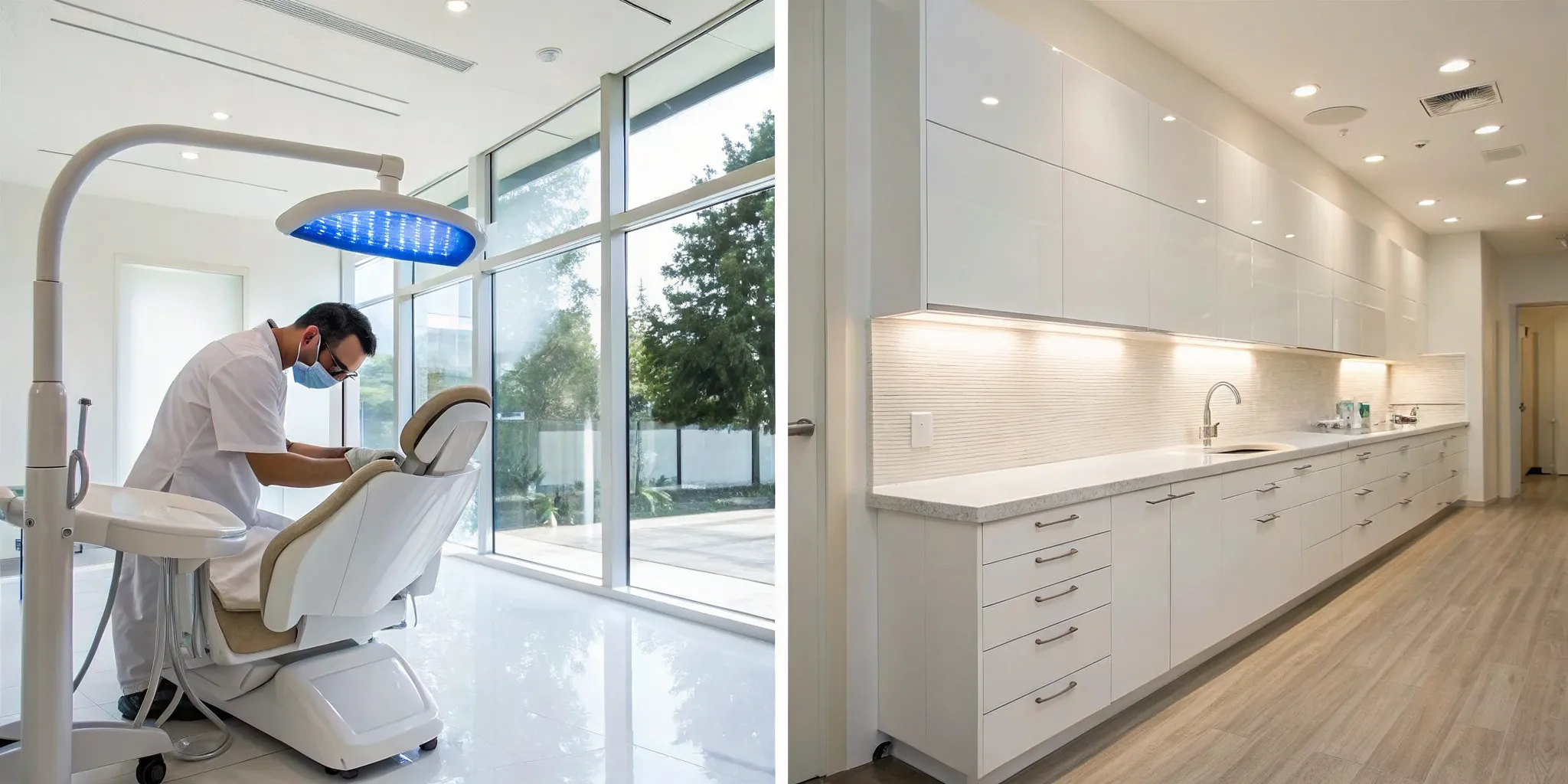
When you choose in-office whitening, you’re putting your smile in the hands of a trained dental professional. The process begins with a thorough cleaning and an exam to make sure your teeth and gums are healthy. Next, your dentist will carefully apply a protective barrier to your gums and lips to prevent irritation. Then, a powerful, professional-grade hydrogen peroxide gel is applied to your teeth. This gel is much stronger than anything available over the counter. Sometimes, a special light is used to activate the gel and speed up the whitening process. The gel is typically left on for 15 to 30-minute intervals, delivering a noticeably brighter smile, often several shades lighter, in a single visit. This is a key part of our cosmetic dentistry services.
At-home whitening kits offer convenience and are widely available in drugstores and online. These products, like whitening strips, brush-on gels, and one-size-fits-all trays, use a lower concentration of bleaching gel than what you’d find at a dental office. Because the gel is weaker, the results are more gradual and typically less dramatic. Another option is a professional take-home kit from your dentist. These kits include custom-fitted trays and a stronger whitening gel than over-the-counter products, offering a great middle-ground for achieving significant results over a few weeks. While at-home options can be effective for minor staining, they are often just one component of a comprehensive smile makeover.
Let’s talk about one of the biggest questions on everyone’s mind: the cost. When you’re investing in your smile, it’s smart to understand what you’re paying for. The price of teeth whitening varies, depending on the method you choose and the level of professional supervision involved. Think of it less as a price tag and more as an investment in the quality, safety, and longevity of your results. Knowing the financial side of things helps you make the best decision for your goals and your budget.
Professional in-office whitening is the premium option, and its price reflects that. You can generally expect the cost to be between $400 and $800, with the average treatment sitting around $650. It’s important to remember that because teeth whitening is a cosmetic procedure, it’s usually not covered by dental insurance. What you’re paying for is significant: the direct supervision of a dental expert, access to powerful, professional-grade whitening agents that aren’t available over the counter, and the technology used to achieve dramatic results safely and quickly. This is the best route for a fast, effective, and professionally managed cosmetic dentistry experience.
At-home whitening kits offer a more budget-friendly approach with a wider price range. Over-the-counter products, like whitening strips or generic tray kits, are the most accessible, typically costing between $20 and $100. For a more effective and safer at-home option, you can get a custom take-home kit from your dentist. These kits, which include custom-fitted trays and professional-strength gel, usually cost between $100 and $400. The higher price point for dentist-dispensed kits accounts for the customization and stronger ingredients, which lead to better and more even results than you’d get from a one-size-fits-all store product.
When you’re weighing the costs, it’s helpful to think about the long-term value. With proper care, the results from both professional and at-home whitening can last from one to three years. The real difference often lies in the quality and predictability of the outcome. Professional treatments provide a significant, even whitening effect in a single visit, which can be a great value for your time and confidence. While your daily habits (like drinking coffee or red wine) will affect any whitening treatment, starting with a professionally applied treatment can give you a brighter baseline that’s easier to maintain. This is often a key part of a comprehensive smile makeover.
One of the biggest factors in choosing a whitening method is how fast you want to see results. Your timeline, whether you have a big event next week or are just looking for a gradual improvement, will point you toward the best option for your smile. Both professional and at-home treatments are effective, but they work on very different schedules.
If you want a noticeably brighter smile right away, nothing beats a professional, in-office whitening treatment. This is the ideal choice for anyone with a wedding, reunion, or important job interview on the calendar. In a single visit, which typically takes about 60 to 90 minutes, you can see a dramatic transformation. It’s common for teeth to become three to eight shades lighter in just one session. This immediate result is one of the main reasons people choose professional cosmetic dentistry for whitening. You walk in with your current smile and walk out with a visibly brighter one, with no waiting period required.
At-home whitening kits offer a more gradual path to a brighter smile. Instead of an instant change, you’ll see results develop over one to two weeks of consistent, daily use. This approach is perfect if you prefer the convenience of whitening on your own schedule in the comfort of your home. While the results aren't immediate, they are still effective. With consistent application, you can achieve a smile that is several shades whiter. Whether you use over-the-counter products or a professional take-home kit from our office, the key is sticking to the routine. This steady progress can be a great standalone treatment or part of a comprehensive smile makeover.
It’s completely normal to wonder about the safety of teeth whitening. After all, you want a brighter smile, not one that comes with complications. The good news is that teeth whitening is considered a safe procedure, but the level of safety and comfort often depends on the method you choose. The main concerns people have usually revolve around tooth sensitivity and gum irritation. Understanding how professional and at-home methods handle these issues is key to making a choice you feel confident about. When done correctly, especially under professional guidance, you can achieve stunning results without compromising your dental health. A professional will always prioritize the health of your teeth and gums, ensuring the whitening process is not only effective but also carried out with the highest standard of care. This section will walk you through what to expect regarding sensitivity, gum protection, and the overall safety that comes with having an expert by your side.
That brief, sharp "zing" you might feel after a whitening treatment is a common side effect known as tooth sensitivity. Both in-office and at-home methods can cause this temporary feeling, but the intensity often differs. At-home kits use weaker whitening agents, so the sensitivity is often reported as less intense but can be more prolonged over the treatment period. Professional treatments use stronger agents, but the process is managed by an expert who can take steps to minimize discomfort. This sensitivity happens because the whitening gel opens up the pores in your enamel to lift stains, which can temporarily expose the nerve pathways inside your tooth. It’s almost always a short-term issue that resolves after your treatment is complete.
Your gums are just as important as your teeth, and protecting them during whitening is a top priority. This is one area where professional treatment truly stands out. During an in-office whitening session, your dentist carefully applies a protective barrier over your gums. This shield prevents the powerful whitening gel from making contact with your soft tissues, which can prevent irritation, chemical burns, and discomfort. With at-home kits, especially those with one-size-fits-all trays, it’s much easier for the whitening gel to seep out and onto your gums. This exposure is a common cause of gum irritation for people who whiten at home. The precise application you get from a cosmetic dentistry expert ensures the focus stays right where it belongs: on your teeth.
Ultimately, the safest way to whiten your teeth is with a dental professional overseeing the process. Professional whitening is safe when done under a dentist's care and doesn't harm healthy tooth enamel. Before you even begin, a dentist will perform an exam to make sure you don’t have any underlying issues, like cavities or gum inflammation, that whitening could worsen. This crucial first step is something you miss entirely with an over-the-counter kit. Having an expert manage your treatment ensures the right products are used in the right way for your specific needs. This expert oversight is a core part of any successful smile makeover, guaranteeing your journey to a brighter smile is both effective and incredibly safe.
So, you’ve invested in getting a brighter smile. The big question is, how long will it last? The honest answer is that teeth whitening isn't permanent, but the results can be impressively long-lasting with the right approach. The lifespan of your newly whitened smile depends on two main things: the whitening method you chose and your daily habits after the treatment. Professional whitening often gives you a head start with more dramatic, durable results, while at-home kits require a bit more consistency to maintain. No matter which path you take, a few simple adjustments to your routine can make all the difference in keeping your teeth pearly white for as long as possible. Understanding the longevity helps you set realistic expectations and create a maintenance plan that works for you, ensuring your smile stays brilliant for months or even years to come.
When you get your teeth whitened in a dental office, you’re getting the most powerful and effective treatment available. The professional-grade bleaching agents penetrate deeper into the enamel to break up stubborn, deep-set stains. Because of this, in-office results tend to last longer, typically anywhere from one to three years. Of course, this isn't a "one and done" solution. To keep that brilliant shine, you'll still need to practice good maintenance. Think of professional whitening as the perfect, high-impact start to a comprehensive cosmetic dentistry plan that keeps your smile looking its best for years to come.
If you opt for at-home whitening, consistency is your best friend. While these kits are effective for surface stains, their results may not be as long-lasting as an in-office treatment without regular upkeep. To keep your smile bright, you’ll want to plan for periodic touch-ups. For example, using custom-fitted take-home trays from your dentist for a few nights every six to twelve months is a fantastic way to maintain your results. This approach helps you manage any new stains that appear and keeps your teeth from reverting to their previous shade. It’s a simple and convenient way to protect your investment in a whiter smile.
Regardless of how you whiten your teeth, your daily habits play the biggest role in how long the results last. Think of it this way: anything that can stain a white t-shirt can stain your teeth. The main culprits are dark-colored foods and drinks like coffee, tea, red wine, and berries. Smoking is also a major cause of yellowing. To protect your bright smile, try sipping dark beverages through a straw to minimize contact with your front teeth. Rinsing your mouth with water after meals can also help wash away staining compounds before they set. These small habits, combined with regular brushing and flossing, are essential for a successful smile makeover and will help you enjoy your whitening results for much longer.
Choosing between professional and at-home teeth whitening really comes down to your personal priorities. There’s no single "best" answer for everyone, but there is a best answer for you. By thinking about your budget, your schedule, and your teeth's sensitivity level, you can figure out which path will lead you to your brightest smile. Let's break down the options based on what matters most to you.
If cost is your main concern, at-home whitening kits are generally the more budget-friendly choice. Over-the-counter products like whitening strips and gels can range from about $20 to $100. For a more effective at-home option, a dentist-dispensed kit with custom-made trays typically costs between $100 and $400. While these methods are easier on your wallet than an in-office treatment, the results are more gradual. It’s a trade-off between price and patience. A consultation can help you explore all your cosmetic dentistry options and find a solution that aligns with both your smile goals and your budget.
For those with a packed schedule or a fast-approaching event, nothing beats the speed of professional, in-office whitening. You can walk out of the dental office in about 60 to 90 minutes with teeth that are dramatically whiter, sometimes up to eight shades lighter. This is the perfect solution if you have a wedding, reunion, or important presentation on the calendar and want immediate results. At-home kits require a commitment of daily applications for one to two weeks or more to see a significant change. If you want a quick and transformative smile makeover, professional whitening delivers the most impact in the least amount of time.
Tooth sensitivity is a valid concern when it comes to whitening. Generally, at-home kits use a lower concentration of whitening agents, which can result in less sensitivity for some people. However, the most important factor for sensitive patients is professional guidance. A dentist can assess your situation and recommend desensitizing toothpaste or adjust the treatment protocol to keep you comfortable. For some, deep stains combined with sensitivity might mean whitening isn't the ideal path. In these cases, other cosmetic solutions like porcelain veneers can provide a brilliant, white smile without the sensitivity issues of bleaching, offering a beautiful and permanent result.
Is professional whitening really worth the higher price? Think of professional whitening as an investment in certainty and safety. The higher cost covers the direct supervision of a dental expert who first ensures you're a good candidate for the procedure. You're also paying for access to powerful, professional-grade whitening agents that deliver dramatic results in a single visit, all while your gums and soft tissues are carefully protected. It’s the fastest and most reliable way to achieve a significantly brighter smile.
I have sensitive teeth. Does that mean I can't whiten them? Not at all. In fact, if you have sensitive teeth, seeing a professional is your safest bet. A dentist can assess your teeth, determine the cause of your sensitivity, and customize the whitening treatment to keep you comfortable. They might recommend using a desensitizing toothpaste before the procedure or adjust the strength of the whitening gel. For some people with deep stains and sensitivity, veneers can be an excellent alternative for achieving a white smile without any discomfort from bleaching.
Will teeth whitening damage my tooth enamel? When performed correctly under professional supervision, teeth whitening is a safe procedure that does not damage healthy tooth enamel. The sensitivity some people experience is temporary and happens because the whitening agent briefly opens the pores in your enamel to lift stains. A dental professional ensures the correct concentration is used for the proper amount of time, which protects the integrity of your teeth.
How can I keep my teeth white after the treatment? Your daily habits are the key to long-lasting results. To protect your bright smile, try to limit foods and drinks that cause staining, like coffee, red wine, and tea. Sipping dark beverages through a straw can also help. It’s a good practice to rinse your mouth with water after eating or drinking. Of course, maintaining a great oral hygiene routine with regular brushing, flossing, and dental checkups is essential for keeping your smile healthy and bright.
Will whitening work on my crowns, veneers, or fillings? This is a great question, and the answer is no. Whitening agents are only effective on natural tooth enamel. They will not change the color of dental restorations like crowns, veneers, or fillings. If you have existing dental work, it’s important to have a consultation first. A dentist can help you create a plan to ensure your smile is seamless, which might involve whitening your natural teeth first and then replacing older restorations to match your new, brighter shade.
Patients in Hartford, CT, can experience unmatched quality and value by choosing board-certified doctors Avinash Bidra and Xiao Chun Li.
We are affiliated with the following prestigious organizations: