 When it comes to restoring a tooth, the decision often feels like a choice between two main priorities: incredible strength or flawless beauty. Do you pick the material that can withstand the toughest chewing forces, or the one that perfectly mimics the delicate, translucent appearance of a natural tooth? Luckily, modern dentistry means you don't always have to compromise. Zirconia is the powerhouse, known for its remarkable toughness, while porcelain is the artist, celebrated for its aesthetic perfection. The key is matching the right material to the right tooth, and that starts with understanding the durability of zirconia vs porcelain crowns and how it impacts your smile.
When you need a dental crown, you’re essentially getting a custom-made cap for your tooth. This cap restores the tooth’s shape, size, strength, and appearance. Think of it as a protective helmet that covers the entire visible part of a tooth that has been damaged, weakened, or is cosmetically imperfect. Two of the most popular and effective materials for modern crowns are zirconia and porcelain. While both are fantastic options in cosmetic dentistry, they have distinct characteristics that make them better suited for different situations.
Choosing between them isn't about which one is "better" overall, but which one is better for you and your specific tooth. The decision often comes down to balancing incredible strength with superior aesthetics. Zirconia is known for its remarkable durability, making it tough enough to handle heavy chewing forces. Porcelain, on the other hand, is celebrated for its ability to perfectly mimic the translucent quality of natural teeth. Understanding the unique benefits of each material will help you and your dentist make the best choice for restoring your smile and ensuring it lasts for years to come.
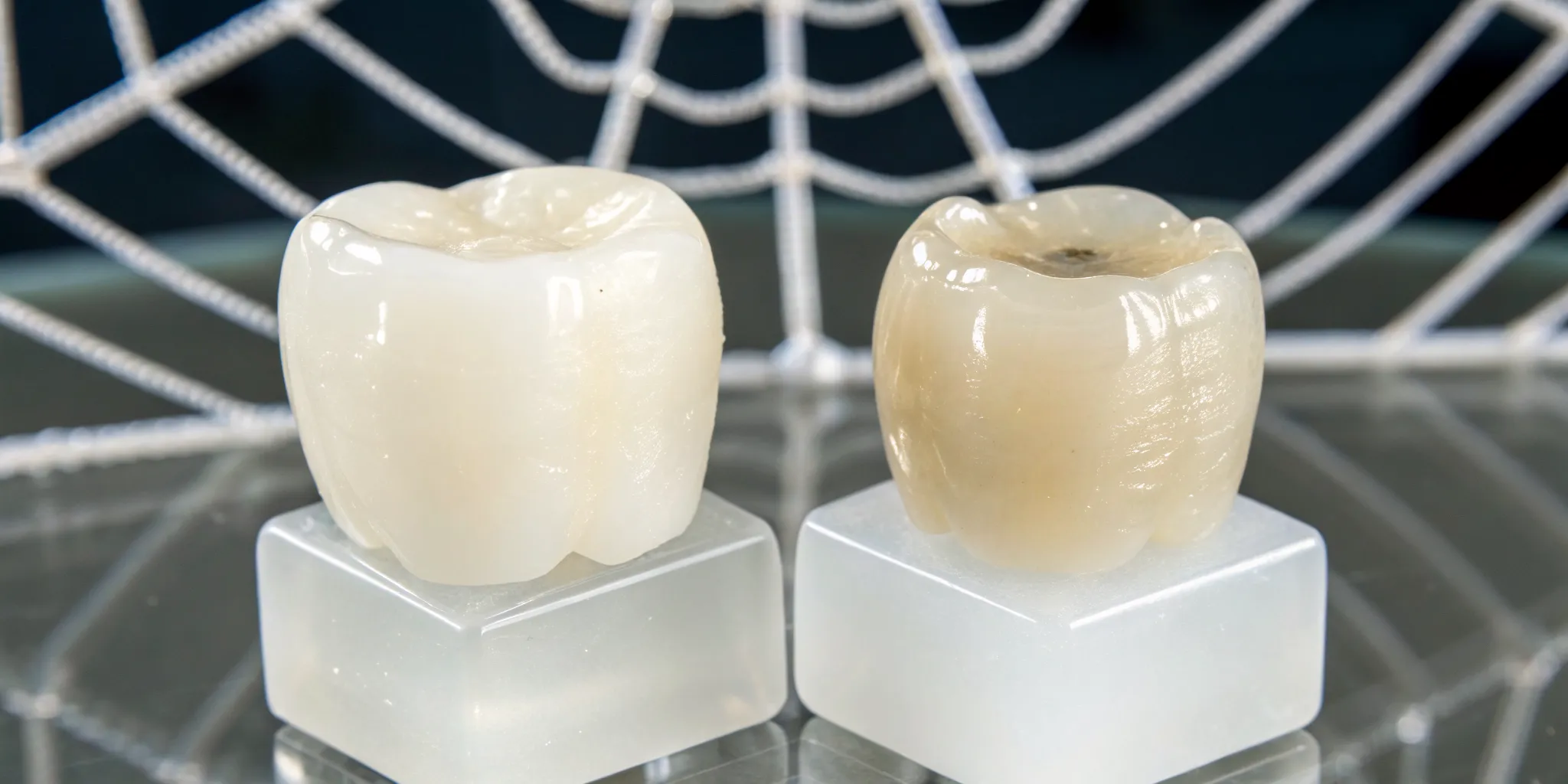
Zirconia crowns are the powerhouse of the dental world. Made from zirconium dioxide, a type of ceramic that is incredibly strong, these crowns are known for their exceptional durability and resistance to wear and tear. They are so tough, in fact, that they are highly resistant to chipping and fractures, which is a huge plus. This strength makes them an ideal choice for molars and other back teeth that handle the heavy lifting of chewing. With proper care, a zirconia crown can easily last 15 to 20 years or even longer. While older versions of zirconia could sometimes look a bit opaque, modern advancements have greatly improved their appearance, allowing for a more natural look.
Porcelain crowns have long been the gold standard for achieving a beautiful, natural-looking smile. Their main advantage is their aesthetic quality. Porcelain has a translucent property that allows it to catch and reflect light just like natural tooth enamel, making it nearly impossible to distinguish from your real teeth. This makes porcelain the go-to choice for front teeth, where appearance is the top priority. While they are strong enough for daily function, they are more brittle than zirconia and can be more prone to chipping over time, especially if you grind your teeth. A well-made porcelain crown can last 10 to 15 years, providing a stunning and seamless addition to your smile.
Whether you choose zirconia or porcelain, a dental crown is a transformative part of a smile makeover. Crowns are used to solve a wide range of dental problems. They can protect a weak tooth from breaking, restore a tooth that is already broken or severely worn down, or cover a tooth with a large filling. They are also used to hold a dental bridge in place, cover a dental implant, or improve the appearance of a discolored or misshapen tooth. The goal is always the same: to bring back the tooth’s function and create a seamless, natural look that blends perfectly with the rest of your smile.
When you get a dental crown, you want to know it’s built to last. The lifespan of your crown depends on the material and how you care for it at home. Both zirconia and porcelain are excellent, high-quality options, but they offer different levels of durability. Think of it less like a hard deadline and more like a potential timeline. With great care, a professionally crafted crown can be a long-lasting part of your healthy smile, letting you eat and laugh without a second thought.
Zirconia crowns are known for their exceptional longevity, typically lasting 15 to 20 years or even longer with proper care. Their remarkable strength and resistance to chipping make them a fantastic long-term solution, especially for molars that endure significant chewing pressure. Because zirconia is so resilient, you can feel confident that your restoration will stand up to the demands of daily life. This durability provides peace of mind, making it a reliable foundation for a strong and beautiful smile for decades to come.
Porcelain crowns offer great durability, typically lasting 10 to 15 years. Many patients find their porcelain crowns last well beyond this range with consistent oral hygiene and regular dental visits. While not as robust as zirconia, modern porcelain is still very strong and is an ideal choice for front teeth where matching the look of natural enamel is crucial. They are a cornerstone of many smile makeover treatments, providing a result that is both beautiful and built to last, letting your personality shine through your smile.
When it comes to pure strength, zirconia is the clear winner. This is measured in flexural strength, which tells us how much force a material can handle before fracturing. Zirconia boasts a flexural strength of 900-1200 megapascals (MPa), while high-quality dental porcelain is rated around 400-500 MPa. This significant difference means zirconia is more than twice as strong, making it the go-to material for back teeth that do the heavy work of chewing. This strength is also a key factor in complex cases like a full-mouth reconstruction.
When you get a dental crown, you want something that will last. Both zirconia and porcelain are excellent materials, but they have different strengths. Think of it this way: one is built like a tank, while the other is a perfect blend of strength and beauty. The most durable option for you depends on which tooth needs restoring, your bite, and your daily habits. At our practice, we look at the complete picture of your oral health to recommend a material that not only fixes a single tooth but also works in harmony with the rest of your smile. This is a key part of a successful full-mouth reconstruction and ensures your results are both beautiful and long-lasting.
If we’re talking about pure strength, zirconia is the clear winner. In lab tests, it proves to be significantly stronger and more resistant to fractures than porcelain. This toughness means a zirconia crown can withstand incredible chewing forces without breaking. Porcelain, while still very strong, is more brittle in comparison. It has a higher chance of chipping or cracking over time, especially if you frequently eat very hard foods or have a habit of grinding your teeth. For this reason, zirconia is often the go-to material for restoring teeth that handle a lot of pressure.
A crown’s durability isn’t just about how well it holds up; it’s also about how it interacts with your other teeth. Because zirconia is so incredibly hard, it can be abrasive to the natural teeth it bites against. Over time, this can cause wear on the opposing tooth enamel. Porcelain is generally kinder to the neighboring teeth, as its texture is closer to that of natural enamel. We carefully consider this interaction when planning your treatment to make sure your new crown protects your overall bite and keeps your entire smile healthy for years to come.
Your back teeth, or molars, do the heavy lifting when you chew. They require a crown that can handle intense, repetitive force. Zirconia’s exceptional strength makes it an ideal choice for molars. It’s also the preferred material for patients who clench or grind their teeth (a condition called bruxism). While a zirconia crown can withstand the pressure, the habit itself can still damage your other teeth and jaw. That’s why even with the strongest crown material, we almost always recommend a custom nightguard to protect your entire smile.
Choosing between zirconia and porcelain is a big decision, but the material itself is only part of the story. The real secret to a long-lasting crown lies in a partnership between you and your dental team. Think of it this way: we create a beautiful, durable restoration for you, and your daily habits ensure it stays that way for years to come. How you care for your teeth, what you eat, and even how you sleep can all play a significant role in your crown's lifespan.
Of course, the process starts in the dental chair. The precision and expertise used to design and place your crown are fundamental to its success. A perfect fit not only looks and feels natural but also protects the underlying tooth from future problems. When you combine expert cosmetic dentistry with mindful at-home care, you create the best possible environment for your crown to last a decade or even longer. Let’s look at the key factors that influence how long your crown will serve your smile.
A dental crown doesn't need special treatment, but it does require consistent care. The tooth underneath your crown is still susceptible to decay, especially at the margin where the crown meets your natural tooth. This area can be a magnet for plaque if not cleaned properly. Brushing twice a day with fluoride toothpaste and flossing daily are non-negotiable habits for keeping the supporting tooth and gum tissue healthy.
Think of your oral hygiene routine as the foundation for all your dental work. Without a strong, healthy tooth to sit on, even the most expertly crafted crown can fail. Regular cleanings and check-ups allow us to monitor the health of your crown and the surrounding teeth, catching any potential issues before they become serious problems.
Your crown is incredibly strong, but it isn't indestructible. Certain foods and habits can put it at risk. Chewing on hard items like ice, hard candies, or popcorn kernels can create enough force to chip or crack both porcelain and zirconia crowns. Sticky foods, such as caramels or taffy, can potentially loosen or dislodge a crown if it’s not perfectly bonded.
It’s also wise to avoid using your teeth as tools. Tearing open packages, biting your nails, or chewing on pens can place unnatural stress on your dental work and lead to damage. Protecting your investment in a smile makeover often comes down to being mindful of these small, everyday habits that can have a big impact over time.
If you grind or clench your teeth (a condition called bruxism), it’s essential to protect your crown. The constant, intense pressure from grinding can wear down, fracture, or damage any dental restoration, as well as your natural teeth. While zirconia is exceptionally strong and often recommended for people who grind, it’s not immune to these forces.
The best line of defense is a custom-fitted nightguard. This simple oral appliance creates a protective barrier between your upper and lower teeth, absorbing the pressure while you sleep. A nightguard not only safeguards your crown but also prevents wear on your other teeth and can relieve jaw pain associated with bruxism. It’s a crucial tool for anyone undergoing a full-mouth reconstruction or who knows they grind their teeth.
The skill of your dentist is one of the most critical factors in the longevity of your crown. A crown that doesn’t fit perfectly can cause a host of problems. If there are gaps between the crown and your tooth, bacteria can seep in and cause decay. An improper fit can also interfere with your bite, leading to discomfort, difficulty chewing, and even issues with your jaw joint.
At our practice, we use advanced technology and meticulous techniques to ensure every crown is crafted with the utmost precision. As a board-certified prosthodontist, Dr. Bidra specializes in creating restorations that fit seamlessly with your natural teeth. This expert placement not only ensures your comfort and function but also creates a tight seal that protects the tooth for the long haul. You can see the difference this precision makes in our smile gallery.
Making the final call on a dental crown might seem overwhelming, but the best choice usually becomes clear when you look at a few key things. We'll consider the tooth's location in your mouth, your personal habits like teeth grinding, and what you want your smile to look like. Zirconia and porcelain are both fantastic materials, but each has its own strengths. Understanding whether the tooth's main job is chewing hard foods or looking great in your smile will help guide you to the perfect fit. Our specialists will walk you through every detail to select a crown that looks natural, feels comfortable, and is built to last.
If you need a crown on a back tooth, zirconia is almost always the go-to material. Your molars take on a lot of force when you chew, and zirconia’s incredible strength is designed to handle that pressure day in and day out. This makes it a great option for anyone who clenches or grinds their teeth, since it’s extremely resistant to cracks and fractures. With good home care, a zirconia crown can last 15 to 20 years, sometimes even longer. It’s a reliable, long-term solution that provides peace of mind, especially when restoring a molar or topping a dental implant.
When your main goal is a seamless, beautiful smile, porcelain is the undisputed champion. What makes porcelain so special is its translucency, which lets it catch the light just like natural tooth enamel. This quality helps porcelain crowns blend in perfectly with your surrounding teeth, making them nearly impossible to spot. Because of this, porcelain is the top choice for restoring front teeth, the ones everyone sees when you smile. If aesthetics are your number one priority, a porcelain crown or even custom veneers can give you that stunning, natural-looking result you're hoping for.
Yes, it absolutely matters. The location of your tooth is the biggest factor in deciding which crown material is right for you. A simple way to think about it is that your back teeth are built for function, while your front teeth are designed for appearance. For your molars, the powerful durability of solid zirconia is the best choice to ensure your crown holds up to daily chewing. For your front teeth, the unmatched aesthetics of porcelain will give you the most natural look. In some cases, we can even use a layered crown that combines a strong zirconia base with a beautiful porcelain exterior as part of a complete smile makeover.
Getting a dental crown is a fantastic way to restore the function and look of your tooth. But it's also an investment in your smile's future. The good news is that with the right care, your crown can last for well over a decade. It all comes down to a few simple habits and staying in touch with your dental team. Think of it less as a chore and more as a way to protect the beautiful smile you've worked so hard to achieve. Here’s how you can give your crown the best chance at a long and healthy life.
The best way to care for your crown is to treat it just like your natural teeth. A solid daily routine is your first line of defense against plaque and gum disease, which can compromise the foundation of your crown. Make sure you're brushing twice a day with a soft-bristled toothbrush and a non-abrasive toothpaste. This helps clean the crown's surface without scratching it. Flossing once a day is also non-negotiable; it clears away plaque from the gumline where the crown meets your tooth. Adding an antibacterial mouthwash can give you an extra layer of protection. These simple steps are fundamental to any good cosmetic dentistry plan and will keep your entire mouth healthy.
While your at-home care is crucial, it works best when paired with professional oversight. We recommend scheduling dental check-ups and cleanings every six months. These visits are more than just a polish; they give us a chance to carefully examine your crown and the surrounding tissue. We can spot tiny issues you might not see or feel, like early signs of wear or subtle changes in your bite. Catching these things early prevents them from turning into bigger, more complicated problems down the road. Think of us as your partners in maintaining your smile. Regular check-ups ensure your crown remains stable and functional, helping you avoid the need for more extensive full-mouth reconstruction in the future.
You know your mouth better than anyone, so it’s important to pay attention to any changes you notice with your crown. If you experience any pain or sensitivity around the crowned tooth, don't ignore it. Other red flags include visible damage like chips or cracks, or if the crown simply feels loose. Take a look at your gums, too. Any swelling, redness, or recession around the base of the crown could signal a problem. If your bite feels off or the crown's appearance changes, that's another sign to get it checked. If you notice any of these issues, please call us right away. Prompt attention can often save the crown and prevent further complications, keeping your smile makeover looking its best.
When you’re considering a dental crown, it’s easy to get tangled up in conflicting information. Dental technology has come a long way, and many old beliefs about crowns simply aren’t true anymore. Let's clear up a few common myths so you can feel confident about restoring your smile. Understanding the facts helps you partner with your dentist to choose the best material for your health, budget, and aesthetic goals.
There’s a common misconception that you have to choose between a crown that’s strong and one that looks good. In the past, the most durable options sometimes looked opaque or unnatural. Today, that trade-off is a thing of the past. Materials like zirconia are incredibly strong and fracture-resistant, yet modern advancements allow them to be crafted with remarkable translucency and color-matching capabilities. They can blend in seamlessly with your other teeth, so no one will even know it’s a crown. You can see how beautifully these modern restorations look by viewing our patients' results.
Focusing only on the upfront price of a crown can be misleading. While some materials, like zirconia, may have a higher initial cost, they often provide better long-term value. Think of it as an investment in your smile. A highly durable crown is less likely to chip, crack, or need replacement down the road. This saves you money and time over the years by avoiding additional dental visits and procedures. A well-made crown is a key component of a lasting full-mouth reconstruction and protects your oral health for years to come.
Concerns about allergic reactions often stem from older types of crowns that contained metal alloys, which could sometimes irritate sensitive individuals. Modern dentistry has moved toward biocompatible materials that are much kinder to your body. Zirconia, for example, is a type of ceramic that is hypoallergenic and integrates extremely well with your gum tissue. It’s a safe and reliable choice, even for patients with metal sensitivities. Our approach to cosmetic dentistry prioritizes using high-quality, body-safe materials to ensure your smile is not only beautiful but also healthy.
When you’re choosing a dental crown, it’s helpful to think of it as an investment in your smile’s health and appearance. While the initial price is certainly a factor, the true value comes from a crown that looks great, feels comfortable, and stands the test of time. Looking beyond the sticker price helps you understand how a durable, high-quality restoration can benefit you for years to come. A well-made crown protects your tooth and supports your overall oral health, making it a crucial part of any cosmetic dentistry plan. Let’s break down how cost and durability play into making the right choice for your smile.
On paper, zirconia crowns often have a slightly higher upfront cost than porcelain crowns. The price difference reflects the advanced ceramic material and the sophisticated process required to mill a crown from a solid block of zirconia. While every case is unique, you can generally expect a zirconia crown to be a bit more of an initial investment. This is because you are paying for a material known for its exceptional strength and resilience. Think of it as choosing premium-grade materials for a home renovation; the initial outlay is higher, but it’s tied directly to the quality and expected lifespan of the final result.
The story of a crown’s cost doesn’t end after your first appointment. A crown that lasts longer ultimately provides better value. Because zirconia is so durable, it’s far less likely to chip, crack, or wear down, which means you may avoid the cost and inconvenience of a replacement down the road. A failed crown doesn’t just mean paying for a new one; it also involves more time in the dental chair and potential complications for the underlying tooth. Investing in a stronger material from the start can be a key part of a successful full-mouth reconstruction, ensuring your smile remains stable and healthy for the long haul.
A durable crown offers peace of mind, and that’s something you can’t put a price on. Zirconia’s incredible strength makes it highly resistant to the daily forces of biting and chewing, especially on back teeth like molars. By choosing a material that can withstand that pressure, you reduce the risk of unexpected fractures and emergency dental visits. While the initial cost might be higher, zirconia’s longevity often makes it the more economical choice over its entire lifespan. This forward-thinking approach is central to a successful smile makeover, where every decision is made to create a beautiful and lasting outcome.
Which crown looks more like a real tooth, zirconia or porcelain? Porcelain has traditionally been the top choice for its incredibly natural appearance. It has a translucent quality that mimics tooth enamel perfectly, which is why it's so often used for front teeth. However, modern zirconia has come a long way. Newer types of zirconia are far less opaque than they used to be and can be layered with porcelain to achieve a look that is both strong and beautiful, making it a great option for almost any tooth in your smile.
I grind my teeth at night. Does that mean I can only get a zirconia crown? Zirconia is definitely the stronger material and is an excellent choice for people who grind their teeth because it's so resistant to fractures. However, the best solution isn't just about choosing the toughest crown. We will almost always recommend a custom-fitted nightguard to protect your entire smile, including your new crown and your natural teeth, from the intense pressure of grinding.
Will my new crown stain from coffee or wine? Unlike natural tooth enamel, both zirconia and high-quality porcelain are non-porous materials, which means they are highly resistant to staining. You can enjoy your morning coffee without worrying about discoloration. While your crown will keep its color, your surrounding natural teeth can still stain, so maintaining good oral hygiene and regular cleanings will keep your whole smile looking bright and consistent.
Is it possible to get a cavity on a tooth that has a crown? Yes, it is. A crown protects the part of the tooth above the gumline, but the tooth root and the area where the crown meets the tooth are still vulnerable to decay. This is why daily brushing and flossing are so important. Keeping that margin clean prevents plaque from building up and causing a cavity underneath the crown, which could compromise the entire restoration.
Does it really matter who places my crown? Absolutely. The long-term success of your crown depends heavily on the skill and precision of the dentist placing it. A perfect fit is essential to prevent bacteria from getting under the crown and to ensure your bite is comfortable and balanced. An expert, like a board-certified prosthodontist, has specialized training to create a seamless fit that protects the underlying tooth and functions in harmony with the rest of your mouth.
Patients in Hartford, CT, can experience unmatched quality and value by choosing board-certified doctors Avinash Bidra and Xiao Chun Li.
We are affiliated with the following prestigious organizations: