One of the biggest myths about rebuilding a smile is that it’s financially out of reach for the average person. This misconception often prevents people from even exploring their options. While the initial teeth reconstruction cost can seem high, it’s crucial to look beyond the sticker price and understand the long-term value. In this article, we’re going to tackle these myths head-on. We’ll explain why the cheapest option is rarely the best value, how a specialist’s expertise protects your investment, and what a truly transparent treatment plan should look like, so you can separate fact from fiction.
Think of a full-mouth reconstruction as a personalized roadmap to completely restore your smile’s health, function, and appearance. It’s not a single procedure but a comprehensive plan that combines several restorative and cosmetic treatments to address complex dental issues. This is for when you’re dealing with more than just one or two problem teeth. The goal is to rebuild your bite and give you a strong, beautiful, and comfortable smile that lasts. The planning process is incredibly detailed, looking at everything from your jaw structure and gum health to the aesthetics of your smile to ensure every element works in harmony.
For many people, this involves replacing many missing or failing teeth in an entire arch with a complete bridge of new teeth. The process often starts with removing any unhealthy teeth and then placing four to six specialized titanium posts, or implants, into the jawbone. These implants act as strong new roots. A custom-made, permanent bridge of teeth is then securely attached to them. This approach, known as the All-on-4 treatment concept, provides a stable and long-lasting solution that looks and feels like natural teeth. Every reconstruction plan is unique and designed specifically for your needs by a specialist.
A full-mouth reconstruction can include a variety of procedures, all chosen to work together for the best result. Dental implants are a cornerstone of modern reconstruction because they are durable and easy to care for. They can be used in several ways, such as supporting a permanent bridge of teeth or securing a denture so it doesn’t slip. Other common procedures might include crowns to protect damaged teeth, veneers to improve the appearance of front teeth, or gum treatments to create a healthy foundation for all the restorative work. The specific combination of treatments depends entirely on your dental health and smile goals.
You might be a candidate for a full-mouth reconstruction if you’re facing multiple, widespread dental problems. Many people have issues with extensive decay, numerous missing teeth, or advanced gum disease that make it difficult to eat, speak confidently, or feel good about their smile. Other signs include severely worn, cracked, or broken teeth from grinding or long-term acid erosion. If you’re experiencing chronic jaw pain, frequent headaches, or feel like your bite is collapsing, it’s a good idea to schedule a consultation. A comprehensive plan can address these underlying problems and give you a healthy, functional smile makeover.
Thinking about the cost of dental work can feel overwhelming, but understanding the numbers is the first step toward making an informed decision. A full-mouth reconstruction isn't a one-size-fits-all procedure with a single price tag. Instead, it’s a completely personalized treatment plan designed around your unique smile goals and clinical needs. The final cost depends on the specific combination of treatments required to restore your smile’s health, function, and beauty.
Think of it less as a purchase and more as a long-term investment in your confidence and overall well-being. To give you a clearer picture, let's look at the typical cost ranges for some of the most common restorative procedures. Remember, these are national averages; a detailed consultation is the only way to get a precise quote for your smile.
If you're missing one tooth, a dental implant is the best way to replace it. It acts just like a natural tooth root, creating a strong foundation for a new crown. Nationally, the cost for the implant post itself typically falls between $1,600 and $4,200. It’s important to know that this price usually doesn't include the final crown that sits on top or the abutment that connects the two pieces. While the initial investment is higher than other options, an implant is designed to last a lifetime with proper care, making it an incredibly durable and valuable solution.
Dental crowns and bridges are trusted solutions for repairing damaged teeth or filling a gap in your smile. A crown, which is a custom cap that protects a weakened tooth, can range from $800 to $3,000. A dental bridge, which uses adjacent teeth to support a replacement tooth, generally costs between $2,000 and $5,000. The final price for these cosmetic treatments depends on the materials used, like high-strength porcelain or zirconia, and the complexity of your case. Both are custom-made to blend seamlessly with your natural teeth, restoring your bite and your smile.
For those who need to replace many teeth or a full arch, modern dentures offer a functional and affordable solution. The cost for a set of dentures can range from $1,000 to $3,000, depending on the quality of the materials and the level of customization. While they are a cost-effective option upfront, it's good to know that dentures typically need to be replaced every seven to ten years. They also require daily cleaning and maintenance to keep them in good shape. For a more stable, long-term alternative, many patients now consider implant-supported dentures, which combine the security of implants with the coverage of a denture.
The All-on-4 dental implant system is a groundbreaking solution for full-arch tooth replacement. This technique uses just four strategically placed implants to support an entire set of new, permanent teeth. It’s often called "teeth in a day" because you can leave the office with a beautiful, functional smile after just one appointment. The average investment for a single arch is around $12,500. As a Nobel Biocare All-on-4 Center of Excellence, we specialize in this life-changing procedure, which eliminates the hassles of removable dentures and restores your ability to eat, speak, and smile with total confidence.
A full-mouth reconstruction is the most comprehensive approach to rebuilding a smile and often involves a combination of several advanced procedures. Because it addresses complex dental issues across your entire mouth, the investment is significant, often starting at $60,000 or more. This all-inclusive plan may cover everything from initial consultations and 3D imaging to tooth extractions, bone grafting, and the placement of multiple implants and crowns. It's a truly transformative process designed to completely restore your oral health and give you a smile you can feel proud of. You can see the incredible results of these treatments in our smile gallery.
When you’re considering a significant investment in your smile, it’s natural to wonder about the price tag. The final cost of a full-mouth reconstruction isn’t a simple, off-the-shelf number. Instead, it’s a comprehensive figure that reflects a treatment plan designed just for you. Several key factors come together to determine your total investment, from the specifics of your dental health to the materials used to craft your new smile. Understanding these elements can help you see the full picture and appreciate the value behind the numbers.
No two smiles are exactly alike, which means no two treatment plans are either. The final cost is directly tied to the uniqueness of your situation. Are you looking to replace a single missing tooth or a full arch? Is your jawbone healthy and dense, or will it need support to hold an implant? Your personal aesthetic goals also play a role. A detailed consultation allows your dentist to map out a precise strategy, ensuring your smile makeover not only looks incredible but is also built to last. This personalized approach is the foundation of a successful and satisfying outcome.
The team you trust with your smile is one of the most significant factors in both the cost and the quality of your results. A board-certified specialist who has dedicated years to advanced training in cosmetic and implant dentistry will have a different fee structure than a general practitioner. This expertise is invaluable, especially for complex procedures like All-on-4 dental implants. While the dentist’s geographic location can also influence pricing, the specialist’s skill, experience, and proven track record are what ensure you receive the highest standard of care and a predictable, beautiful result.
The materials used to rebuild your smile have a major impact on its appearance, function, and longevity. High-quality dental implants are typically made from strong, biocompatible titanium, while the crowns and bridges that show when you smile are often crafted from premium porcelain or zirconia for a natural, lifelike look. While lower-cost materials exist, they often compromise on durability and aesthetics. Similarly, practices that invest in cutting-edge technology for diagnostics and treatment planning provide a more precise and comfortable experience. These premium materials and tools are a worthwhile investment in a smile that feels as good as it looks.
Before placing new restorations, it’s crucial to ensure the foundation is healthy and strong. For many people, this means starting with one or more preparatory treatments. You might need a tooth extraction to remove a failing tooth, a bone graft to build up jawbone density, or a sinus lift to create adequate space for an upper implant. While these steps add to the overall cost, they are absolutely essential. These procedures create the stable, healthy base needed to ensure your dental implants can integrate properly and support your new smile for years to come.
Figuring out what your insurance will cover can feel like a puzzle, but it’s a crucial step in planning for your new smile. Insurance policies vary quite a bit, and coverage for extensive dental work like a full-mouth reconstruction depends entirely on your specific plan. While some procedures may be partially covered, others, especially those considered cosmetic, might not be.
The best approach is to see your insurance as a helpful supplement rather than a primary payment source. Many plans have annual maximums, which a significant reconstruction can easily exceed. Don’t let this discourage you. Our team has years of experience working with different insurance providers and can help you make sense of your benefits. We’ll work with you to submit claims and ensure you get the maximum coverage you’re entitled to, so you can focus on the exciting part: rebuilding a healthy, confident smile.
Most dental insurance plans are designed to cover preventive care and basic restorative treatments. When it comes to major procedures, coverage can be less straightforward. For example, your plan might cover a percentage of the cost for crowns or bridges, as these are often seen as necessary for function.
However, dental implants are frequently categorized differently. Some insurance companies view them as an elective or cosmetic procedure and offer limited or no coverage for the implant itself. In some cases, a plan might help pay for the crown that attaches to the implant but not the surgical placement. It’s important to look at the fine print to understand exactly what is and isn’t included.
The most direct way to understand your coverage is to contact your insurance provider. Ask for a detailed breakdown of your benefits for "major restorative services." Be sure to inquire about specific terms like your annual maximum (the most your plan will pay in a year), your deductible (what you pay before your plan kicks in), and any waiting periods for certain procedures.
When you call, have a list of questions ready. You can ask, "What is my coverage for dental implants, crowns, and bridges?" or "Do I need pre-authorization for a full-mouth reconstruction?" Our office can also request a pre-treatment estimate from your insurer, which gives you a clearer picture of your out-of-pocket costs before you commit to a plan.
In certain situations, your medical insurance may offer coverage for dental procedures. This typically happens when the treatment is deemed "medically necessary." For instance, if you lost teeth due to an accident, trauma, or as a result of a medical condition or treatment (like radiation for cancer), your medical plan might contribute to the cost of reconstruction.
This path requires thorough documentation from your dentist and physician to prove the medical necessity of the treatment. While it’s not the most common scenario, it’s an important avenue to explore, especially for complex cases. We can help you gather the necessary paperwork to submit a claim to your medical insurance if your situation applies.
A full smile transformation is one of the best investments you can make in yourself, but it’s natural to think about the financial side of things. The good news is that you have several practical options for managing the cost of a full-mouth reconstruction. High-quality dental care is more accessible than you might think, and many paths can lead to the smile you’ve always wanted. It’s all about finding the right financial strategy that fits your life and budget. Let’s walk through some of the most common and effective ways to make your treatment more affordable.
Many dental practices want to help you get the care you need without financial stress. That’s why some clinics offer in-house payment plans, which can make a comprehensive treatment plan much more doable. Think of it as a direct arrangement with your dentist’s office to spread the cost over a set period. These plans often have competitive rates and allow you to make manageable monthly payments without involving an outside lender. It’s a straightforward way to budget for your new smile, so it's always a great idea to ask the administrative team what options are available. This can be one of the simplest ways to get started.
Another popular route is working with a third-party financing company that specializes in healthcare. Services like CareCredit or LendingClub partner with dental practices to offer patients flexible payment plans. These companies can help you finance everything from a single crown to a full set of dental implants. Many offer promotional periods with low or no interest, allowing you to pay for your treatment over several months or even years. This approach breaks a larger investment into predictable monthly payments that can easily fit into your budget, making the path to a restored smile feel much less overwhelming.
If you have a Health Savings Account (HSA) or Flexible Spending Account (FSA) through your employer, you have a powerful tool for paying for dental work. These accounts allow you to set aside pre-tax money specifically for medical and dental expenses. Using these tax-free funds for your treatment is like getting an automatic discount on the final cost. While you might be used to using your FSA or HSA for co-pays and prescriptions, they are perfectly suited for major restorative procedures like a smile makeover. Check your account balance and contribution limits to see how much you can put toward your treatment.
Similar to third-party financing, healthcare credit cards are designed exclusively for medical and dental expenses. These cards often provide special financing options that you won’t find with a standard credit card. For example, you might get a promotional period where you can pay off your balance over six, 12, or even 24 months without accruing interest. This can be an excellent choice if you’re confident you can pay the full amount before the promotional period ends. Just be sure to read the terms and conditions carefully so you understand exactly how the plan works and can make the most of the benefits.
When you’re considering a smile makeover, it’s helpful to think of it as an investment in your health and confidence. The price can vary quite a bit depending on the solution you choose, so understanding the key differences is the first step. Comparing your options isn't just about finding the lowest price; it's about finding the best long-term value for your specific needs. Whether you need to replace one tooth or completely rebuild your smile, each path has a different price point and set of benefits. Let's walk through how some of the most common solutions stack up against each other.
The most common comparison here is between traditional dentures and dental implants. Dentures are a removable option that often comes with a lower initial cost. However, they may require ongoing expenses for adhesives, cleaning solutions, and periodic refitting as your jaw changes over time. Fixed options, like dental implants, are a permanent solution. They are secured directly to your jawbone, so they look, feel, and function just like natural teeth. While the upfront investment is higher, implants are typically easier to care for and can last a lifetime, often making them a more cost-effective choice in the long run.
A temporary restoration, like a dental flipper or a temporary crown, is designed to be a short-term fix while you wait for your permanent solution. These are not meant for long-term use and are priced accordingly. A permanent restoration, such as a dental implant, is a multi-step process that involves surgically placing a post and attaching a custom-made crown. This process takes more time and expertise, which is reflected in the cost. The trade-off is a durable, lifelong solution that becomes a seamless part of your smile, eliminating the need for future replacements.
The cost of restoring your smile naturally scales with the number of teeth you need to replace. A single dental implant has a specific price range, but replacing a full arch of teeth isn't as simple as multiplying that cost by 14. For extensive tooth loss, a full-mouth reconstruction offers a more comprehensive and efficient approach. Modern solutions are designed to replace multiple teeth at once, which can significantly lower the per-tooth cost and provide a more predictable and cohesive result than addressing each tooth individually over time.
If you need to replace all of your upper or lower teeth, you have a couple of fixed options. The traditional approach would involve placing an individual implant for each missing tooth, which can be a lengthy and expensive process. A more modern and streamlined alternative is the All-on-4 dental implant system. This technique uses just four strategically placed implants to support an entire arch of beautiful, permanent teeth. Because it requires fewer implants and is often a less complex surgery, the All-on-4 system is typically a more affordable and efficient way to achieve a complete smile restoration.
When you’re planning for a significant investment like rebuilding your smile, the number on the main treatment plan is just one piece of the puzzle. To get a complete financial picture, it’s helpful to understand the other costs that can come up before, during, and after your procedures. Thinking about these factors ahead of time ensures there are no surprises along the way. A great dental team will walk you through every potential expense, but knowing what to ask about can help you feel confident and prepared. These additional steps are often what makes the difference between a good result and a truly spectacular, long-lasting one.
Think of your smile reconstruction like building a house: you need a strong foundation before you can put up the walls. Sometimes, your mouth needs a little prep work to create that solid base. You might need treatments like tooth extractions to remove failing teeth, or a bone graft to build up jawbone density for a secure implant. These procedures are crucial for the long-term success and stability of your new smile. While they do add to the total investment, this foundational work helps ensure your full-mouth reconstruction is built to last for years to come.
Your new smile is an investment in your health and confidence, and like any valuable asset, it requires some upkeep. The great news is that the implant posts themselves can last a lifetime with proper care. However, the crowns, bridges, or dentures attached to them will experience normal wear and tear from daily life. You can typically expect an artificial tooth or crown to last 10 to 15 years before it may need to be replaced. The best way to protect your investment is through diligent home care. Consistent brushing, flossing, and attending your regular dental check-ups will keep your dental implants and restorations in top condition.
The journey to your perfect smile can sometimes involve a few minor tune-ups. After your initial procedures, there might be a need for small adjustments to ensure the fit, comfort, and bite are just right. It’s also important to clarify what your initial quote includes. Often, the price for an implant doesn't include the final crown or other office fees that are part of the complete process. A transparent treatment plan will outline every step, so you know exactly what to expect. Seeing the stunning transformations in a smile gallery can be a great reminder of what’s possible when every detail is carefully planned and executed.
Let’s be honest: thinking about the cost of extensive dental work can feel overwhelming. When you’re considering a full-mouth reconstruction, the numbers can seem big, and it’s easy to get lost in the details. This uncertainty often leads to common myths and misconceptions about what you should expect to pay. It’s time to clear the air so you can approach your smile journey with confidence and clarity.
The most important thing to remember is that you are investing in your health, function, and quality of life for years to come. A truly great dental team understands this. They won’t just hand you a single, confusing number; they will walk you through a detailed treatment plan, explain every line item, and help you understand the incredible value behind the care you’re receiving. Before we get into the specifics, let’s tackle some of the biggest myths about reconstruction costs head-on. Understanding the truth will help you make an informed decision that feels right for you and your budget.
This is probably the most common myth we hear. When people see the initial price for dental implants, they often experience "sticker shock" and assume they’re financially out of reach. While the upfront investment for implants is higher than for options like traditional dentures or bridges, it’s crucial to look at the bigger picture.
Think of it as a long-term investment. Implants are designed to last for decades, and with proper care, they can last a lifetime. Other options often require frequent repairs, relining, or complete replacements every 5 to 15 years. Those recurring costs can add up significantly over time, sometimes making the "cheaper" option more expensive in the long run. Implants provide a durable, permanent solution that protects your jawbone and functions just like natural teeth.
It would be simple if every dental procedure had a single, fixed price tag, but that’s not how personalized healthcare works. A quote for a complex procedure is rarely the final, all-inclusive number because your treatment plan is tailored specifically to you. The final cost of your smile makeover depends on several factors.
For example, do you need a tooth extracted before an implant can be placed? Do you require a bone graft to ensure the implant has a stable foundation? The type of materials used for your crowns or veneers also plays a role. A transparent treatment plan will itemize these procedures, so you know exactly what you’re paying for. It’s not about hidden fees; it’s about creating a comprehensive plan for your unique needs.
In our search for a good deal, it’s tempting to choose the lowest price. When it comes to your health, however, the cheapest option rarely offers the best value. A significantly lower price for dental reconstruction can be a red flag, potentially indicating the use of lower-quality materials, outdated technology, or a less experienced provider. These shortcuts can lead to complications down the road, such as implant failure, poor aesthetic results, or restorations that break.
Ultimately, these issues result in more time in the dental chair and more money spent on repairs or replacements. Investing in a highly qualified specialist who uses premium materials and advanced technology from the start is the most reliable way to achieve a beautiful, long-lasting result. Seeing a practice’s smile gallery can give you confidence in the quality of their work.
Talking about the cost of dental work can feel intimidating, but it shouldn’t be a mystery. A great dentist understands that a smile makeover is a significant investment in your health and confidence, and they approach the conversation with that in mind. They won’t just hand you a single, unexplained number and expect you to figure it out. Instead, they’ll act as your guide, breaking down the details so you feel clear and confident about every aspect of your treatment. This partnership is crucial, especially when you're considering extensive work that can truly change your life.
The right dental team is committed to transparency from the very first consultation. They believe you deserve to know exactly what you’re paying for, why certain procedures are recommended over others, and what all your financial options are. This open communication is the foundation of trust. It transforms a potentially stressful conversation into an empowering one, where you can make informed decisions about your care without pressure or confusion. A dentist who takes the time to explain your investment is a dentist who respects you as a partner in your own health journey. They see you as a whole person, not just a set of teeth, and they want you to feel completely comfortable before moving forward.
Your treatment plan should be a clear, comprehensive roadmap, not a confusing bill. A trustworthy dentist will provide a detailed breakdown that lists each recommended procedure, the associated cost, and the timeline. This document is essential for helping you understand the value of your treatment. It should leave no room for surprises, outlining everything from initial consultations and diagnostic imaging to the final placement of your restorations. This level of detail ensures you know exactly what to expect at every stage of your full-mouth reconstruction.
It can be difficult to picture the final outcome of a complex dental procedure. That’s why visual aids are so powerful. A great dentist will use before-and-after photos of previous patients to help you see the transformative potential of their work. Seeing these real patient results makes the investment feel more tangible and exciting. It’s not just about fixing teeth; it’s about restoring your smile and confidence. These images provide a clear vision of what you can achieve, turning an abstract concept into a concrete, inspiring goal.
A caring dentist encourages questions and fosters an open dialogue about your options. They will take the time to discuss the costs and benefits of different treatments, helping you understand the long-term value of each choice. For example, they might explain why a dental implant is a better long-term investment than a bridge for your specific situation. This transparent conversation builds trust and reduces anxiety. It empowers you to make a decision that aligns with both your health goals and your budget, ensuring you feel confident and in control of your care.
Once you have a clear treatment plan, the next step is figuring out how to make it work for your budget. A supportive dental office won’t leave you to sort this out alone. The team should walk you through all available payment and financing options. Many practices offer flexible plans to make treatment more accessible, from in-house payment schedules to partnerships with third-party financing companies. They can also help you understand how to use your health savings account (HSA) or flexible spending account (FSA) to cover costs, making sure you can get the care you need without unnecessary financial stress.
What's the difference between a full-mouth reconstruction and a smile makeover? A smile makeover is primarily focused on aesthetics, using cosmetic procedures like veneers or teeth whitening to improve the look of your smile. A full-mouth reconstruction, on the other hand, is a more comprehensive process that rebuilds the health and function of your bite, often because of widespread issues like missing teeth, severe wear, or decay. While a reconstruction almost always results in a beautiful new smile, its main goal is to restore your oral health from the ground up.
How long does a full-mouth reconstruction process typically take? The timeline for a full-mouth reconstruction is unique to each person and depends on the specific procedures in your plan. It can range from a few months to over a year. Factors like healing time after extractions, bone grafting, or implant placement play a big role. A procedure like All-on-4 can give you a new set of teeth in one day, but the entire process from consultation to final restoration is carefully planned over several appointments to ensure the best possible outcome.
Why is there such a wide price range for full-mouth reconstruction? The cost of a full-mouth reconstruction varies so much because it's not a single procedure but a completely customized combination of treatments. The final price depends on the number of teeth being restored, the quality of materials you choose for crowns or bridges, and whether you need preparatory work like bone grafts. The expertise of the specialist and the technology they use also contribute to the total investment, which is why a detailed consultation is the only way to get an accurate quote for your specific needs.
Is the reconstruction process painful? Your comfort is a top priority during any dental procedure. Specialists use modern techniques and sedation options to ensure you feel relaxed and experience minimal discomfort during treatment. While you can expect some soreness and swelling after major procedures like implant surgery, this is typically manageable with prescribed or over-the-counter pain relievers. Your dental team will give you detailed instructions for aftercare to help you heal quickly and comfortably.
How do I get started if I think I need a reconstruction? The best first step is to schedule a comprehensive consultation with a specialist in cosmetic and implant dentistry. During this appointment, the dentist will perform a thorough examination, take detailed 3D scans, and discuss your health history and smile goals. This initial meeting is all about gathering information and creating a personalized roadmap for your treatment, giving you a clear understanding of your options, the timeline, and the total investment involved.
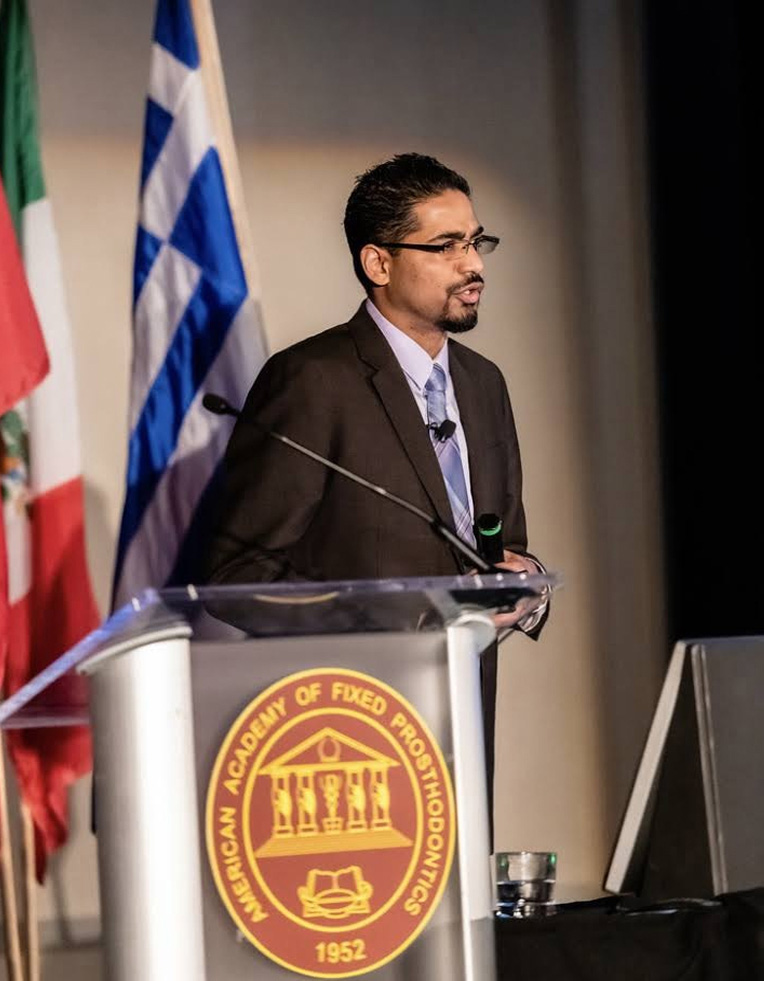
Patients in Hartford, CT, can experience unmatched quality and value by choosing board-certified doctors Avinash Bidra and Xiao Chun Li.
We are affiliated with the following prestigious organizations: