Thinking about the cost of dental implants can feel overwhelming, but it helps to see it as a long-term investment in your quality of life. Unlike dentures or bridges that often need repairs and replacements every several years, dental implants are designed to be a permanent solution. The initial price is higher, but you are paying once for a durable, stable smile that can last a lifetime with proper care. This article will walk you through a detailed breakdown of the different types of dental implants cost, from a single tooth to a full arch. We’ll look at the value you receive for your investment, helping you understand why choosing a lasting solution is often the most effective and financially sound choice for your oral health.
When you hear "dental implant," you might picture a single replacement tooth. But that’s just one piece of the puzzle. Dental implants are incredibly versatile and can be used to replace one tooth, several teeth, or even a full set of teeth. The right solution for you depends entirely on your unique situation, including your oral health, the number of teeth you’re missing, and your long-term goals for your smile.
Think of it like building a house. You wouldn't use the same blueprint for a small cottage as you would for a large family home. Similarly, your dental team will design a treatment plan tailored specifically to you. Understanding the different types of dental implants is the first step in figuring out what your new smile could look like. From single implants that blend in seamlessly to full-arch solutions that can transform your entire mouth, there’s an option to fit nearly every need. Let's walk through the most common types so you can feel more prepared for your consultation.
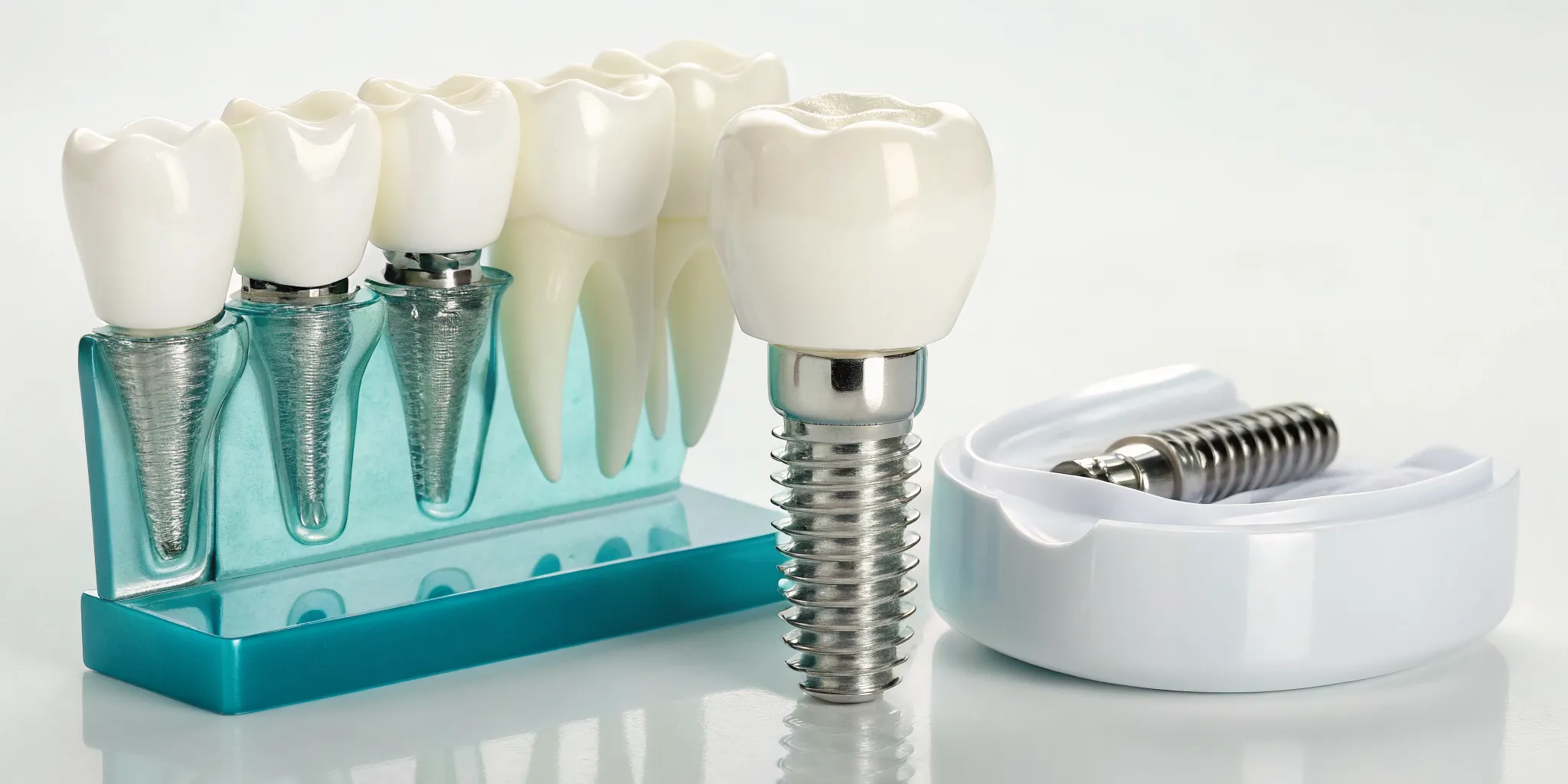
If you're missing just one tooth, a single-tooth implant is the gold standard for replacement. This solution consists of three parts: the implant itself (a small titanium post that acts as a new root), an abutment that connects the implant to the new tooth, and a custom-made crown that looks and feels just like your natural teeth. One of the biggest advantages is that it stands on its own without affecting the healthy teeth next to it. Unlike a traditional bridge, we don’t have to alter your adjacent teeth, which helps preserve your overall tooth structure for years to come.
When you have two or more missing teeth in a row, an implant-supported bridge is an excellent option. Instead of replacing each tooth with its own individual implant, we can place two implants on either side of the gap to support a bridge of prosthetic teeth. This approach provides incredible stability and function while being more efficient than placing multiple single implants. It’s a durable, long-lasting solution that restores your ability to chew properly and fills out your smile beautifully, making it a key part of many full-mouth reconstruction plans.
For those missing most or all of their teeth in an upper or lower arch, a full-arch restoration can be life-changing. Using a technique like the All-on-4® treatment concept, we can secure a full, permanent set of teeth on as few as four strategically placed implants. This fixed solution feels and functions just like natural teeth. You won't have to worry about them slipping or needing to be removed for cleaning. Patients often leave the same day with a beautiful, functional temporary smile, making this a popular choice for a complete smile makeover.
Mini dental implants are just what they sound like: smaller versions of traditional implants. Their smaller diameter (about the size of a toothpick) means they can sometimes be placed with a less invasive procedure. While they aren't typically strong enough to support a single crown for heavy chewing, they are most often used to stabilize a loose or uncomfortable lower denture. By providing anchor points, mini implants can significantly improve the fit and function of a denture, giving you more confidence when you eat and speak.
A snap-in implant denture, also known as an overdenture, offers a middle ground between traditional dentures and fixed full-arch implants. This option involves placing two or more implants in your jaw, which act as anchors for a removable denture. The denture has special attachments that allow it to "snap" securely onto the implants, preventing the slipping and shifting common with conventional dentures. You get the stability of implants with the convenience of being able to remove your teeth for easy cleaning, giving you a secure and confident smile.
When you start looking into dental implants, one of the first questions on your mind is likely about the cost. It’s a significant investment in your health and confidence, so it’s smart to understand the financial side of things. The final price of dental implants isn’t a single number; it varies widely depending on the type of solution you need. Replacing a single missing tooth is a very different procedure from restoring an entire arch, and the costs naturally reflect that complexity.
Think of it like this: you’re not just buying a product, you’re investing in a custom treatment plan designed specifically for your unique smile. The number of teeth you need to replace, the quality of the materials used, and the intricacy of your procedure all play a role in the final figure. To give you a clearer picture, let’s break down the typical cost ranges for the most common types of dental implants. These numbers are a helpful starting point, but remember they are general estimates. The only way to get an exact quote for your specific situation is through a personal consultation where a specialist can assess your oral health and discuss your goals.
If you’re missing just one tooth, a single-tooth implant is the gold standard for replacement. It’s a standalone solution that doesn’t affect the neighboring teeth. The average cost for the implant post itself is around $2,143, with a typical range falling between $1,646 and $4,157. This price variation often comes down to your location, the materials used, and the specifics of your case. This cost generally covers the surgical placement of the implant, which acts as the new root for your tooth. The final crown and the abutment that connects it to the implant are often priced separately, so be sure to ask for a complete estimate during your consultation.
What if you have several missing teeth in a row? An implant-supported bridge is an excellent solution that avoids the need to place an implant for every single missing tooth. Instead, two implants can be placed to support a bridge that spans the gap, restoring three or more teeth at once. The average cost for this type of restoration is about $5,195. This approach provides incredible stability and function, feeling much more natural than a traditional removable partial denture. It’s a durable and efficient way to restore a larger section of your smile while preserving the health of your jawbone by preventing bone loss.
For those needing to replace a full upper or lower set of teeth, a full-arch restoration offers a life-changing solution. Often known as All-on-4® dental implants, this treatment uses just a few strategically placed implants to support an entire arch of beautiful, permanent teeth. The cost for a full-arch solution generally ranges from $15,000 to $30,000 per arch. While this is a significant investment, it provides a complete smile transformation, restoring your ability to eat, speak, and smile with total confidence. It’s a permanent fix that functions just like natural teeth and is designed to last for many years with proper care.
Mini dental implants are a more affordable alternative, with individual costs ranging from $700 to $1,600 per implant. As the name suggests, they are smaller in diameter than traditional implants, and the procedure is often less invasive. They are most commonly used to stabilize a lower denture, preventing it from slipping or shifting while you talk or eat. A full set of mini implants for this purpose can cost between $4,000 and $8,000. This can be a great option for patients who may not have enough bone density for conventional implants or are looking for a more budget-friendly way to add security to their dentures.
Snap-in implant dentures, also called overdentures, offer a happy medium between traditional dentures and fixed full-arch implants. This solution involves placing a few implants in the jawbone that have attachments to let a denture "snap" securely into place. The denture is still removable for easy cleaning, but it’s incredibly stable when worn, eliminating worries about slipping. The cost for a snap-in denture typically falls between $7,600 and $13,300 per arch. This is a popular choice because it provides a major improvement in stability and confidence over traditional dentures at a more accessible price point than a fully fixed restoration.
When you start researching dental implants, you'll quickly find that there isn't one set price. The cost is a personalized figure based on your unique oral health, the materials used, and the specifics of your treatment plan. Think of it less like buying a product off the shelf and more like commissioning a custom piece of art for your smile. Several key factors come together to determine the final investment in your new teeth, and understanding them can help you see the value behind the numbers. Let's walk through what shapes the cost of your dental implant treatment.
The cost of living and running a practice varies from state to state, which is why you'll see different prices across the country. More importantly, the experience and credentials of your dentist play a significant role. A general dentist may charge less than a board-certified specialist who has completed years of additional, intensive training in implant dentistry. This advanced expertise means they are equipped to handle even the most complex cases and achieve predictable, beautiful results. Choosing a specialist is an investment in peace of mind, knowing your smile is in the hands of a true expert in the field of dental implants.
Not all dental implants are made the same. The final price tag is heavily influenced by the quality of the materials used, from the implant post itself to the final crown that everyone sees. Top-tier implants are typically crafted from medical-grade titanium or zirconia, materials known for their strength, durability, and ability to integrate seamlessly with your jawbone. Likewise, the custom-made crown attached to the implant is created in a lab to perfectly match the color and shape of your surrounding teeth. Using premium materials ensures your new tooth looks natural and stands the test of time, which you can see in our Smile Gallery.
For a dental implant to be successful, it needs a strong, healthy foundation. If you've been missing a tooth for a while, you may have experienced some bone loss in your jaw. In these cases, you might need a preparatory procedure like a bone graft to build the area back up before the implant can be placed. Other treatments, such as a tooth extraction or a sinus lift, may also be necessary to create the ideal conditions for your implant. While these steps add to the overall cost, they are crucial for ensuring your implant has the support it needs to last a lifetime and are often part of a full-mouth reconstruction.
The scope of your treatment plan is one of the biggest factors in determining the cost. Replacing a single tooth with one implant is a relatively straightforward procedure. However, if you need to replace several teeth or an entire arch, the complexity and cost will naturally increase. For example, a full-arch restoration using a solution like All-on-4 dental implants involves a more intricate surgical process and more materials than a single implant. Your final treatment plan will be completely tailored to your specific needs, addressing everything from the number of teeth being replaced to your long-term aesthetic goals.
When you’re exploring ways to replace missing teeth, you’ll likely come across three main options: dental implants, bridges, and dentures. While traditional bridges and dentures have been used for decades, they function very differently from implants. Bridges rely on neighboring teeth for support, and dentures rest on your gums. Dental implants, on the other hand, are designed to act just like a natural tooth root.
Choosing the right option is a big decision that involves weighing upfront costs against long-term benefits for your health, comfort, and confidence. While implants often have a higher initial price, they are widely considered the gold standard for replacing teeth because they offer unparalleled stability and longevity. Understanding the key differences in value, durability, and maintenance can help you see why investing in a permanent solution can be the most effective choice for your smile.
It’s true that the upfront cost of a dental implant is typically higher than that of a bridge or dentures. A single implant can range from a few thousand dollars, while a full set can be a significant investment. However, it’s important to look at this cost as a long-term investment in your oral health. Dentures and bridges often need to be repaired, relined, or completely replaced every 5 to 15 years. These recurring costs can add up over your lifetime, sometimes exceeding the initial price of an implant. With implants, you are paying once for a permanent solution that, with proper care, can last for the rest of your life.
One of the biggest advantages of dental implants is their incredible durability. Because the titanium post fuses directly with your jawbone in a process called osseointegration, it creates a solid foundation that is as strong as a natural tooth root. This allows implants to last a lifetime. In contrast, dental bridges and dentures have a much shorter lifespan, usually lasting up to 15 years before needing replacement. More importantly, implants are the only tooth replacement option that preserves your jawbone. Without a tooth root to stimulate it, the bone begins to shrink, which can alter your facial structure over time. Implants prevent this bone loss, protecting your oral health and appearance for years to come.
When you choose a tooth replacement, you’re also choosing its maintenance routine. Dentures require daily removal for cleaning, special adhesives, and periodic adjustments as your jaw changes. Bridges demand extra care to clean underneath them and can place strain on the adjacent teeth used as anchors. Implants, however, are cared for just like your natural teeth with simple brushing, flossing, and regular dental check-ups. While the implant post is permanent, the custom crown on top may need to be replaced after 10 to 15 years from normal wear, but the foundation remains solid. This straightforward care routine not only saves you time but also helps prevent future complications and costs associated with more complex full-mouth reconstruction.
The cost of dental implants is a significant factor for many people, and it's completely understandable to want a clear picture of your financial options. The good news is that you don't have to pay for the entire treatment upfront. Most high-quality dental practices recognize that this is a major investment in your health and confidence, and they provide several pathways to make it manageable. From plans that break the cost into smaller monthly payments to using pre-tax savings accounts, there are practical solutions available.
Thinking about how to cover the cost is a key part of planning your smile makeover. The right approach depends on your personal budget, insurance coverage, and financial preferences. Let's walk through the most common ways you can pay for your dental implants, so you can feel prepared and confident as you take the next step toward a new smile. We'll cover everything from payment plans offered directly by your dentist to third-party financing and leveraging your insurance or health savings accounts.
One of the most straightforward ways to manage the cost of dental implants is through an in-house payment plan. Many dental offices, including specialized practices, offer these plans directly to their patients. This option allows you to break down the total cost of your treatment into a series of manageable monthly payments spread over an agreed-upon period. It cuts out the middleman and lets you arrange everything in one place. The best first step is to simply ask the office's financial coordinator what types of plans they offer. They can walk you through the terms and help you find a solution that fits your budget.
Another popular option is working with a third-party financing company that specializes in healthcare expenses. Services like CareCredit function like a credit card specifically for your health and wellness needs. They often offer promotional financing options, such as no-interest periods if you pay the balance within a certain timeframe. This can be a great way to get the treatment you need now and pay for it over time in a structured way. Your dental office can usually help you with the application process, which is often quick and easy, giving you a decision in minutes.
While dental insurance can be a bit tricky when it comes to implants, it's always worth exploring. Many plans consider implants a cosmetic procedure and may not cover the full cost. However, some policies provide partial coverage, especially for related parts of the treatment, like the final crown that attaches to the implant post. Your plan might also cover a portion of the cost if your tooth loss was due to an accident or underlying medical issue. The key is to review your specific benefits booklet or call your provider. Your dentist's administrative team can also help by submitting a pre-treatment estimate to clarify what your plan will cover.
If you have a Health Savings Account (HSA) or Flexible Spending Account (FSA) through your employer, you can use these funds to pay for your dental implants. The major advantage here is that you’re using pre-tax dollars. This means you’re paying for a portion of your treatment without having to pay income tax on that money, which effectively lowers the overall cost. Both HSAs and FSAs are designed for out-of-pocket medical and dental expenses, making them a perfect tool for investing in a procedure that restores your oral health and function. Be sure to check your account balance and any rules for withdrawal.
Understanding the dental implant journey from start to finish can make the entire experience feel more comfortable and predictable. While every patient’s timeline is unique, the process generally follows three main phases: creating a personalized plan, placing the implant and allowing it to heal, and finally, attaching your beautiful new teeth. It’s a multi-step process that requires patience, but the result is a permanent, natural-looking solution that can completely restore your smile and confidence. At our practice, we guide you through each stage, ensuring you know exactly what’s happening and feel supported every step of the way. We handle everything in-house, from initial scans to creating your final teeth, which makes the process smooth and seamless.
Your journey begins with a one-on-one consultation. This is where we get to know you, listen to your goals, and determine if you're a good candidate for dental implants. We’ll use advanced 3D imaging to get a detailed look at your jawbone, gums, and surrounding teeth. This technology helps us map out the procedure with incredible precision. From there, we’ll develop a custom treatment plan tailored just for you. This plan will outline the recommended type of implant, the number of appointments needed, the full timeline, and a transparent breakdown of all associated costs. You’ll leave this first visit with a clear understanding of the path to your new smile.
The next step is the surgical placement of the implant, which is a small titanium post that acts as a new tooth root. The procedure is performed with care to ensure your comfort. After it’s placed, your body begins a natural process called osseointegration, where your jawbone fuses with the implant. This creates an incredibly strong and stable foundation for your new tooth. This healing phase is crucial and typically takes a few months. While some temporary swelling or bruising is normal for a few days after surgery, it’s usually mild and manageable. For patients receiving a full set of teeth, advanced techniques like All-on-4 dental implants can sometimes shorten this overall timeline.
This is the final and most exciting step. Once your implant has fully integrated with your jawbone, you’ll return to our office to have your permanent restoration attached. Whether it’s a single crown, a bridge, or a full arch of teeth, each one is custom-crafted in our in-house lab to match the color, shape, and size of your natural teeth. Our specialists meticulously design your new smile to ensure it looks beautiful and functions perfectly. After this appointment, you can walk out ready to eat, speak, and smile with total confidence. You can see the incredible transformations for yourself in our Smile Gallery.
When you start looking into dental implants, the cost can feel like a big question mark. There's a lot of information out there, and it's easy to get tangled up in myths and misconceptions. Let's clear up a few common myths about implant costs so you can approach your decision with confidence. Understanding the full picture helps you see the true value in restoring your smile for the long haul.
It’s a common hope that dental insurance will foot the entire bill for implants, but that’s rarely the case. Many insurance providers classify dental implants as an elective or cosmetic dentistry procedure, which means they may not cover the surgical part of the treatment. However, that doesn't mean your benefits are useless. Some plans will help pay for the final restoration, such as the crown that attaches to the implant post. The best first step is to let our team review your specific policy. We can help you understand your coverage and maximize any benefits you have.
A surprisingly low quote for dental implants should always be examined closely. The advertised price often doesn't include essential preparatory work that your smile might need. For example, if a damaged tooth needs to be removed first, that’s an additional cost. Similarly, you may need a bone graft to ensure your jaw is strong enough to support the implant, which is a separate procedure. A trustworthy provider will give you a detailed treatment plan that outlines every step and its associated cost from the start. This transparency is key to avoiding surprises and planning your full-mouth reconstruction with confidence.
It can be tempting to compare the upfront cost of dental implants to other options like bridges or dentures and go for the cheaper choice. But it’s important to think about the long-term value. While traditional alternatives may cost less initially, they often require repairs, adjustments, and even full replacements every 5 to 15 years. Those costs add up. High-quality dental implants, on the other hand, are designed to last a lifetime with proper care. They also protect your jawbone health, preventing future complications. Investing in a permanent solution now can save you money, time, and hassle for years to come.
Investing in dental implants is a major decision for both your health and your finances. The key is to find a solution that not only fits your budget but also provides a lasting, healthy smile. Thinking through your options carefully will help you make a choice you feel confident about for years to come. It’s not about finding the cheapest price; it’s about finding the best value for your specific needs. By understanding what goes into the cost and how to plan for it, you can approach the process with clarity and peace of mind.
The first step in budgeting for an implant is understanding which type is right for you. A single missing tooth requires a different solution than a full arch of missing teeth, and the costs reflect that. For example, a single implant might range from $3,000 to $6,000, while a full-mouth reconstruction is a more significant investment. The best way to get a clear picture is through a professional consultation. A specialist can assess your jawbone health, discuss your goals, and recommend a treatment plan tailored to your clinical needs. This ensures you’re paying for the right solution, not just any solution.
Once you have a treatment plan, you can map out the financials. Start by checking with your dental insurance provider. While many plans consider implants a cosmetic procedure, some offer partial coverage, especially if the tooth was lost due to an injury or medical condition. From there, ask your dental office about payment options. Many practices offer in-house plans or work with third-party financing companies like CareCredit to help spread the cost over time. Having a clear financial plan makes the investment feel much more manageable and allows you to focus on the exciting outcome: a restored, confident smile.
When considering cost, it’s tempting to look for the lowest price, but the expertise of your dentist is not the place to cut corners. A board-certified specialist has years of advanced training focused specifically on implant dentistry. This expertise leads to more precise placement, better outcomes, and a lower risk of costly complications down the road. Choosing an expert for your All-on-4 dental implants or single-tooth replacement is an investment in quality and longevity. A successful, long-lasting implant from a specialist is far more valuable than a cheaper alternative that may fail or require expensive repairs in the future.
How long do dental implants actually last? With proper care, the implant post itself is designed to last a lifetime. The titanium post fuses directly with your jawbone, creating a permanent and stable foundation. The custom-made crown attached to it may need to be replaced after about 10 to 15 years due to normal wear, just like a natural tooth's crown might. This incredible longevity is what makes implants such a valuable long-term investment compared to other options that require replacement every several years.
Is getting a dental implant painful? Your comfort is the top priority during the procedure. We use local anesthesia to completely numb the area, so you won’t feel any pain during the implant placement. Most people say the experience is much more comfortable than they expected and compare the post-procedure feeling to a minor tooth extraction. Any discomfort afterward is typically mild, manageable with over-the-counter pain relievers, and only lasts for a few days.
What makes someone a good candidate for dental implants? Most adults who are in good general health are excellent candidates for dental implants. The most important factor is having sufficient jawbone density to securely anchor the implant. If you've experienced bone loss, that doesn't automatically rule you out; a procedure like a bone graft can often build up the area to create a strong foundation. The only way to know for sure is to have a consultation where we can use 3D imaging to assess your unique situation.
Why are dental implants so expensive compared to other options? The cost of dental implants reflects the high-quality materials, advanced training, and personalized surgical care involved. You are investing in a permanent solution that involves a medical-grade titanium root, a custom-crafted tooth, and the expertise of a specialist to ensure a successful outcome. Unlike bridges or dentures, implants also protect your long-term oral health by preventing jawbone loss, which can save you from more complex and costly procedures in the future.
How do I care for my dental implants after the procedure? One of the best things about dental implants is how easy they are to maintain. You simply care for them the same way you would your natural teeth. A consistent routine of brushing twice a day, flossing daily, and attending your regular dental check-ups and cleanings is all it takes to keep your implant and the surrounding gums healthy for years to come. There are no special adhesives or soaking solutions required.
Patients in Hartford, CT, can experience unmatched quality and value by choosing board-certified doctors Avinash Bidra and Xiao Chun Li.
We are affiliated with the following prestigious organizations: